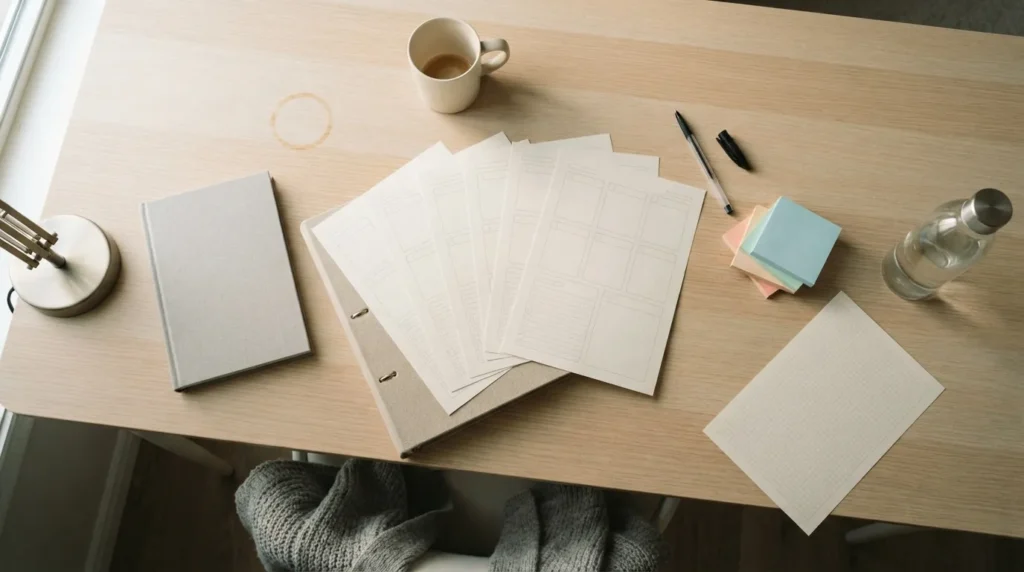

A standard letter page measures 8.5 by 11 inches, the exact size every campus printer and three-ring binder takes. That one size means a single set of nursing study planner printables fits lectures, clinicals and exam review without resizing or reprinting a thing. This set collects 11 pages, one for each job in a nursing student’s week, from the weekly overview down to the Sunday review.
Print the pages you need at the start of term, keep them in one binder, and fill them in by hand as the weeks move. Handwriting slows the planning down just enough to make choices real: what gets studied, what gets practiced, and what can wait until tomorrow.
Weekly Study Planner Page

One page holds the whole week at a glance: class blocks across the top, clinical shifts down the side, and study sessions placed in the gaps between them. Seeing the full week on paper makes overload visible early, and the study habits in these nursing school study hacks slot neatly into the open spaces the page reveals.
- Blocks: Mark fixed hours first, classes, clinicals, work and travel, so free time shows up honestly.
- Sessions: Give each study block one topic and one page goal, never a vague plan to review everything.
- White space: Leave one open block unscheduled each week for the task that runs long or arrives late.
Daily Focus Sheet

One page per day keeps a heavy day small. The sheet holds the day’s top three tasks at the top, lecture topics in the middle, and one review target at the bottom, so the day ends with a clear answer to what actually got done.
The page takes about two minutes to fill in over breakfast or on the bus. Keep it clipped to the front of the binder, check tasks off as they close, and move anything unfinished to tomorrow’s sheet instead of carrying it in your head overnight.
What you’ll need: A three-ring binder, a set of plain dividers, a three-hole punch and one pen you like writing with. Print a month of weekly pages in one sitting, punch them once, and the system runs itself for weeks.
Lecture Notes Planner Page

This page gives lecture notes a steady shape: a wide main area for the flow of the class, a narrow margin column for questions, and a bottom strip for a one-line summary written before you leave the room. The shape turns passive copying into active sorting while the material is still fresh.
- Margin: Park every question and unclear point in the margin, then clear them after class from the textbook.
- Summary strip: Close each lecture with one line in your own words, the line you would want on a flashcard.
- Cue words: Circle terms the instructor repeats or slows down on, since repeated terms often return on exams.
Clinical Rotation Planner
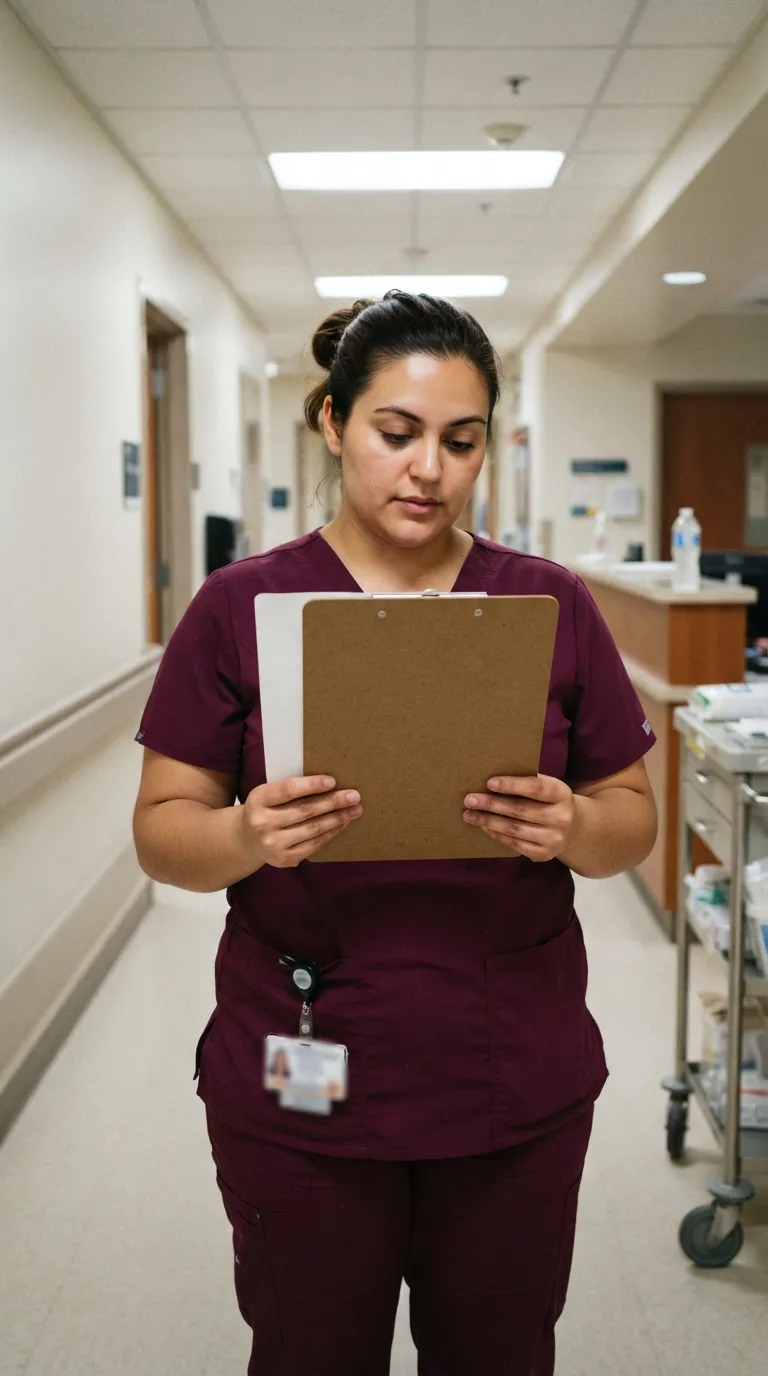
One page per shift holds the clinical day together. The top section takes the patient focus for the shift, the middle lists skills to watch for and questions to ask your preceptor, and the lower half leaves open space for reflection once the shift ends.
Filled in across a rotation, these pages become a record of what you have actually seen and done, which helps when care plans and journals come due. The page pairs well with steady med surg survival tips that keep clinical learning organized between shifts.
Exam Countdown Planner

The last 14 days before an exam get their own page, with one box per day counting down to the test date. Topics shrink as the date nears: broad review early, weak spots in the middle, and the final two days held for calm review only, with no new material allowed in.
- Days 14-8: Work the full topic list once, mark every shaky area, and turn the marks into the next study list.
- Days 7-3: Drill the weak spots with practice questions, and retest each one until the answers hold steady.
- Final 2 days: Review summaries and drug cards only, stop early the night before, and protect sleep.
Study tip: Build the countdown backwards from the exam date, not forwards from today. Hardest topics land first while the days are long, and review only fills the final days, when new material stops sticking.
Assignment and Due-Date Tracker

One running list page per month holds every assignment in a single place: the task, the class, the due date and a done box to tick when it is submitted. Nothing hides in a syllabus or a phone reminder while this page sits at the front of the binder.
Check the page every Sunday and move the nearest deadlines onto the weekly planner. Students who keep one honest list rarely meet a surprise deadline, and the same habit powers most nursing school organization ideas that actually survive a busy term.
Care Plan Practice Worksheet

Care plans get easier with reps, and this worksheet gives each rep the same blank boxes to fill by hand: assessment cues at the top, then the diagnosis, the goals and the interventions that follow from them. Writing the chain by hand shows exactly where your reasoning jumps or stalls.
- Cues: List only the findings that matter, grouped by system, and leave normal findings off the page.
- Diagnosis: Build the statement from the cues alone: problem, cause, and the evidence sitting in front of you.
- Goals: Write one measurable goal per worksheet, with a time frame a nurse could actually check.
Drug Card Template

One card per drug keeps pharmacology portable. Each card holds the drug class, how the drug works, its main side effects and the nursing checks that go with it, written in your own short words instead of copied textbook lines.
Print a stack of blank cards at the start of term and fill one in each time pharmacology assigns a new drug. By exam week the stack is a ready-made review deck, sorted by class and ready to shuffle, sort and quiz from.
Lab Values Review Sheet
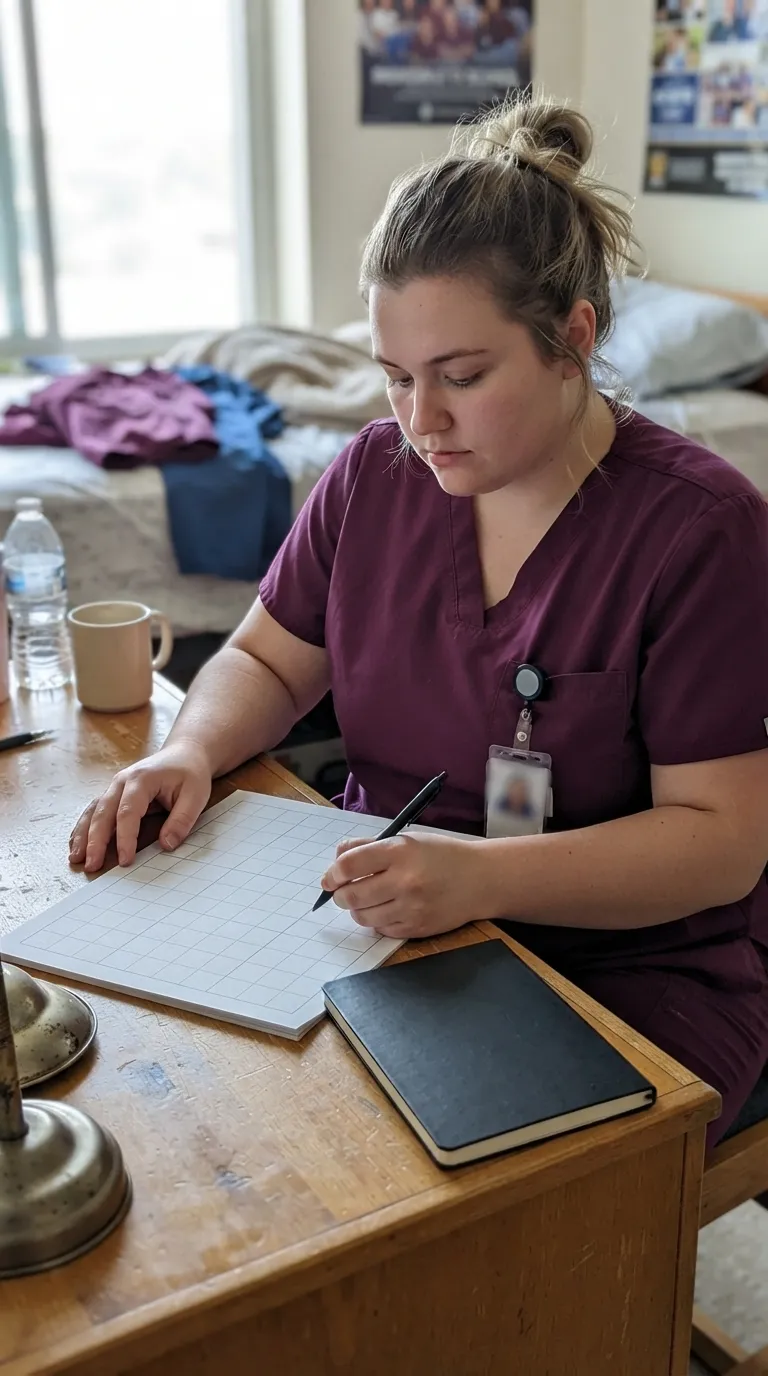
One page holds the core lab values in a plain grid, with one deliberate gap: the normal range column stays blank. You fill that column from memory first, in pencil, then check every entry against your notes and fix the misses in pen.
- Fill first: Complete the whole column from memory before opening a book, even where the numbers feel shaky.
- Check second: Mark each miss plainly, since a marked miss teaches more than a lucky correct guess.
- Star: Star the values you miss twice, and open the next study session with the starred rows.
Skills Checklist Tracker

Every lab skill lives on one page: the skill name down the side, and three boxes across for attempted, observed and signed off. A glance shows which skills are ready for check-off day and which ones still need a practice session in the lab.
Bring the page to every open lab and update it the same day, while the attempt is fresh. The tracker also pairs with simple nursing school hacks for booking lab time early, before check-off week crowds every station.
Weekly Review and Reflection Page

Sunday gets the last page of the week. This sheet closes the loop: what stuck, what slipped, and what moves onto next week’s planner, written while the week is still easy to remember. Ten quiet minutes here save an hour of drift on Monday, and the routine sits at the heart of any nursing school survival kit worth keeping.
- Stuck: Name the topics that held up under questions, and schedule them lighter next week.
- Slipped: Name the topics that faded, without blame, and give each one a dated slot next week.
- Moves: Carry only the top three unfinished tasks forward, so next week starts clean instead of buried.
One Last Tip
Start with three pages, not eleven. Print the weekly planner, the daily focus sheet and the review page, run them for two weeks, and add the rest only when a real gap shows up in your week.
Keep the binder where you study, keep the pen clipped inside it, and review the week every Sunday before you plan the next one. Paper only works when it stays in sight, so let the pages do the remembering for you.