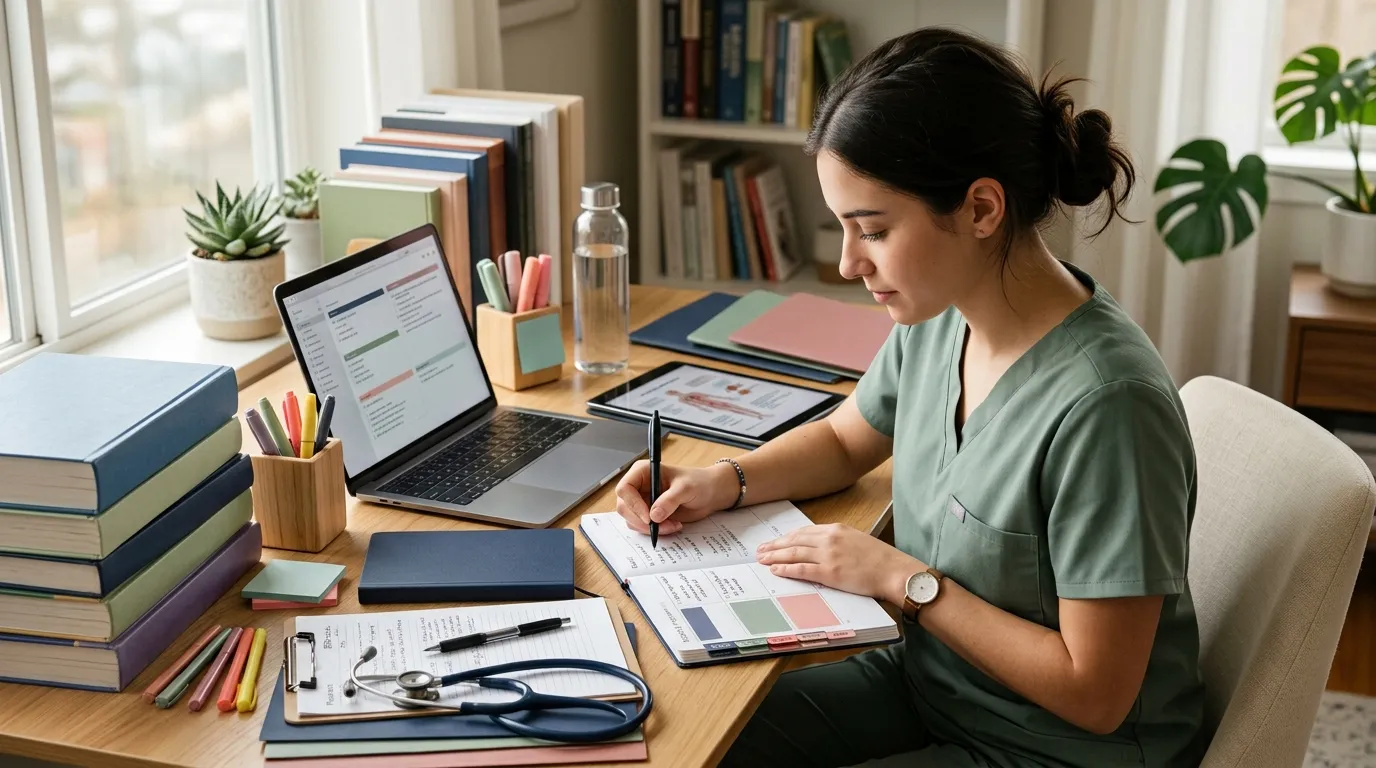


Nursing Student Essentials can make busy school days feel more organized, especially when lectures, assignments, clinical preparation, and study sessions compete for your attention. The right tools do not need to be expensive or complicated; practical organization often makes the biggest difference. From planners and notebooks to technology, study supplies, and everyday carry items, these essentials can help create a smoother nursing-school routine.
1. Weekly Study Planner
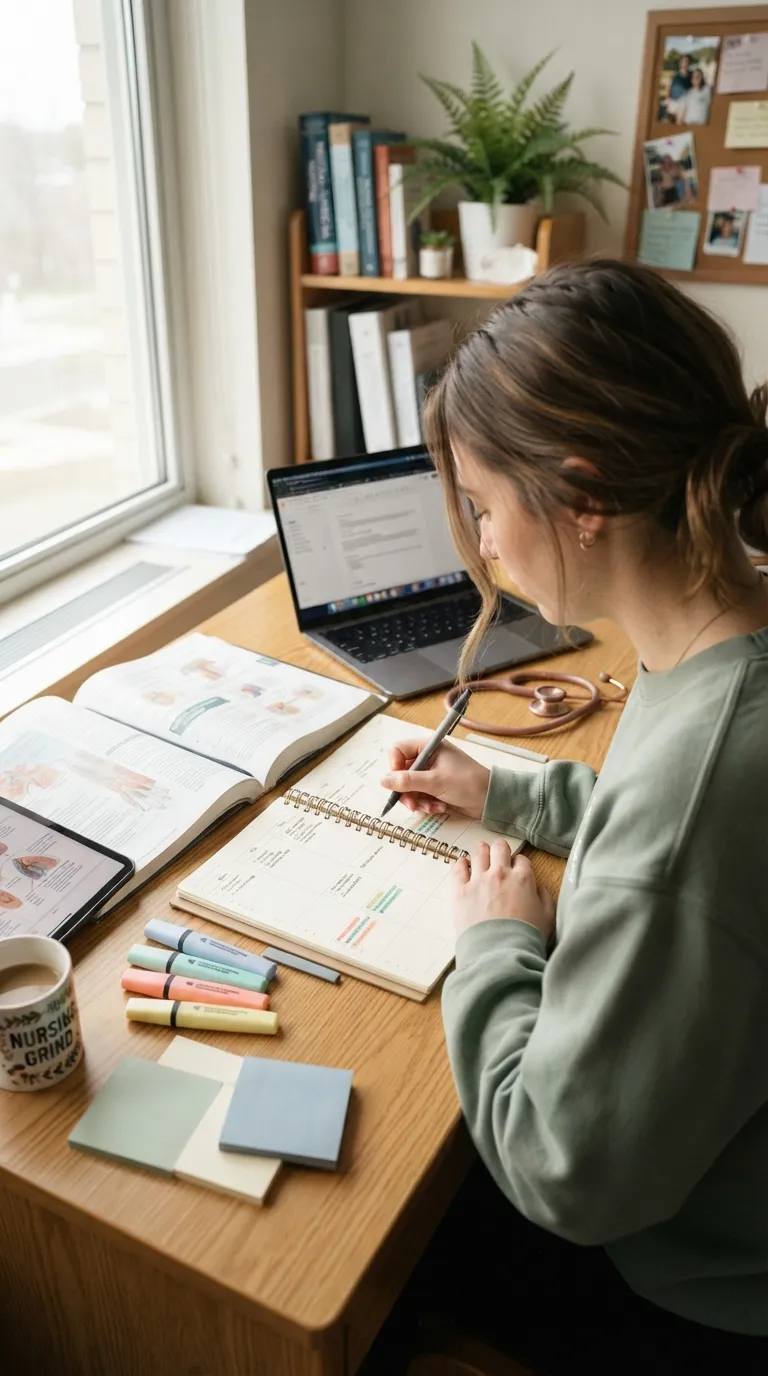
A weekly view is particularly useful because nursing school often combines lectures, clinical preparation, assignments, and exams. Seeing everything together makes it easier to distribute your workload instead of accidentally creating several heavy study days in a row.
2. Reusable Nursing Notebook
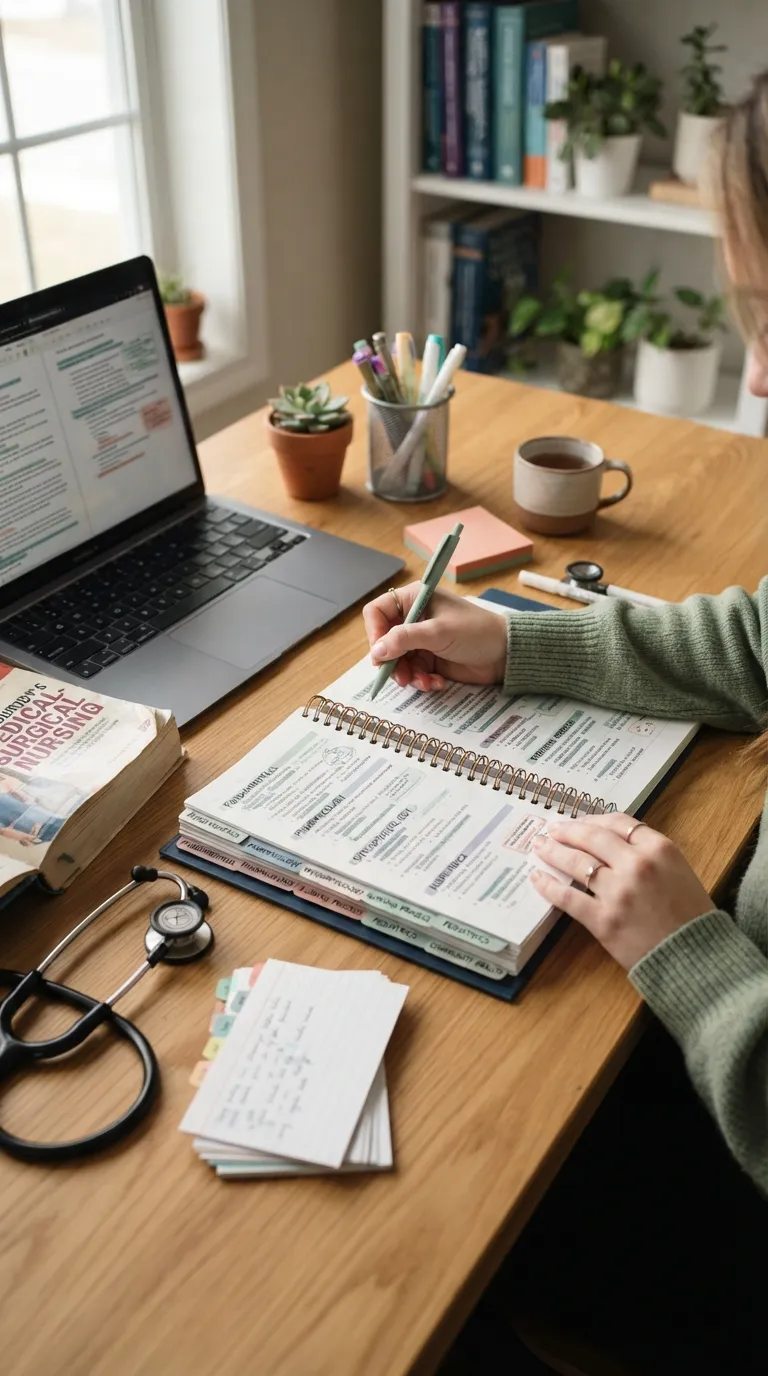
A reusable notebook becomes more valuable when it follows a consistent system. Instead of creating a new pile of notes for every lecture, keep related material together so reviewing a topic later does not require searching through multiple notebooks.
3. Clinical Pocket Notebook

A pocket notebook is best used for learning reminders rather than storing confidential patient information. After clinicals, transfer useful concepts into your main study system while the experience is still fresh.
4. Color-Coded Tabs
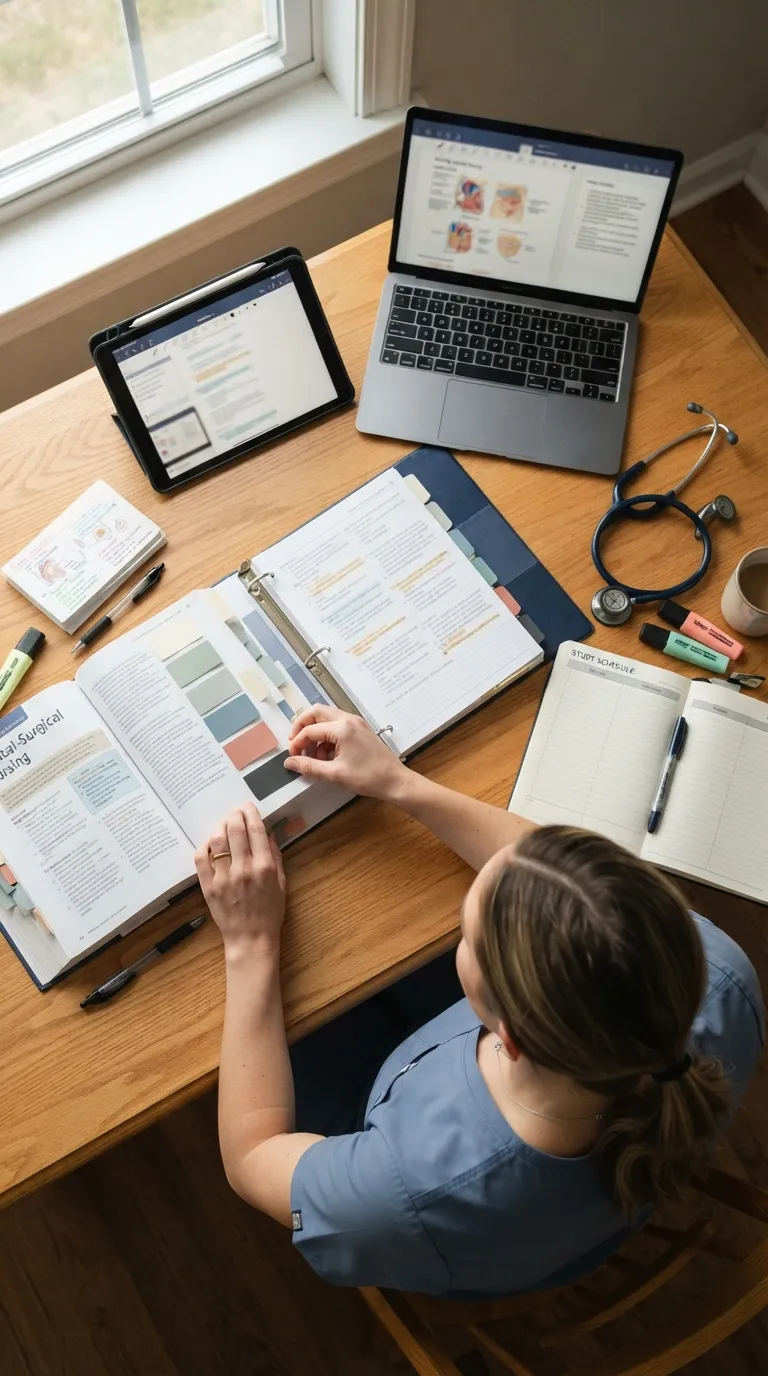
Color coding works best when it remains simple. A small number of consistent categories can help your eyes locate information quickly without turning every page into a rainbow of competing markers.
5. Digital File System
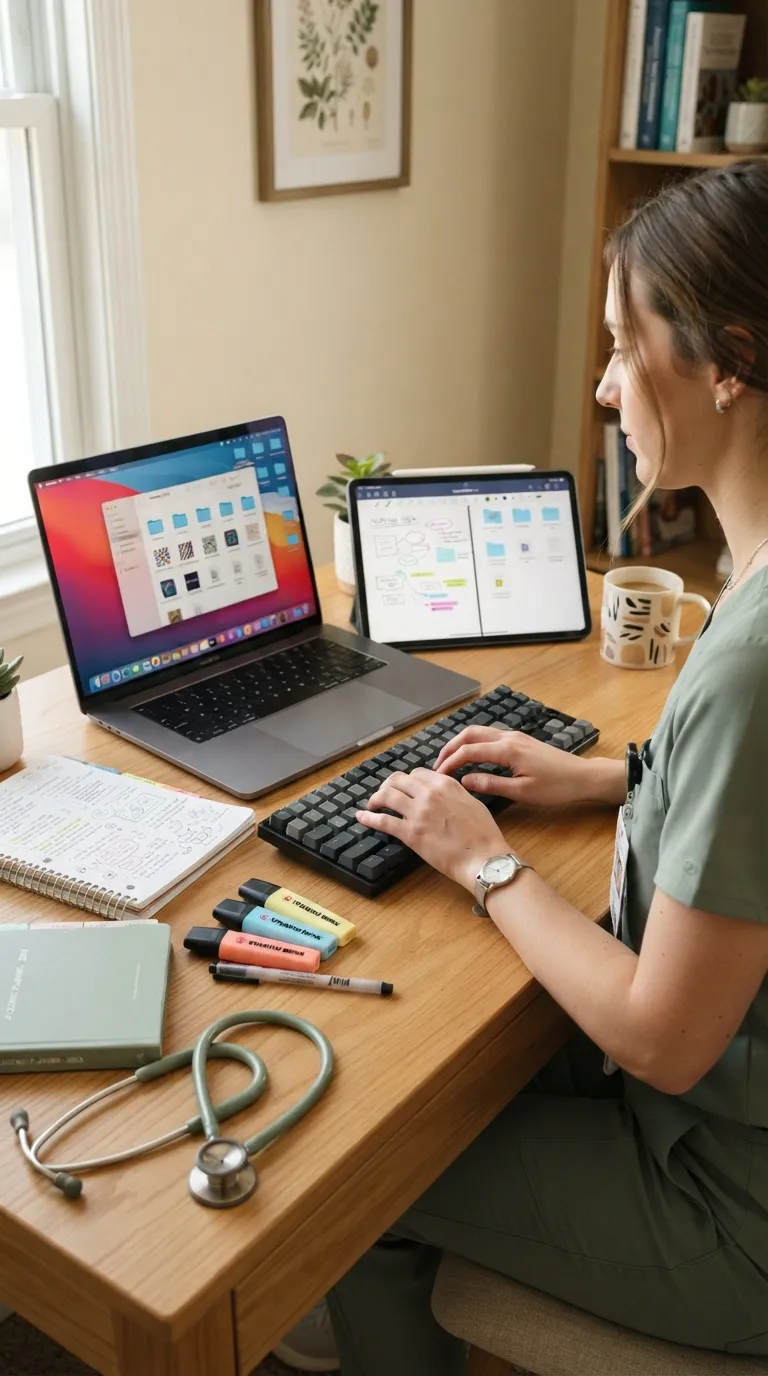
Digital organization becomes especially helpful when courses generate many PDFs, presentations, worksheets, and practice resources. A predictable folder system reduces the time spent searching and gives you more time to actually study.
6. Portable Phone Charger

A charged phone can be useful for schedules, communication, and approved academic tools, but a portable charger is mainly about avoiding an unnecessary interruption. Pack it before particularly long days rather than discovering you need it after your battery is already low.
7. Supportive Backpack
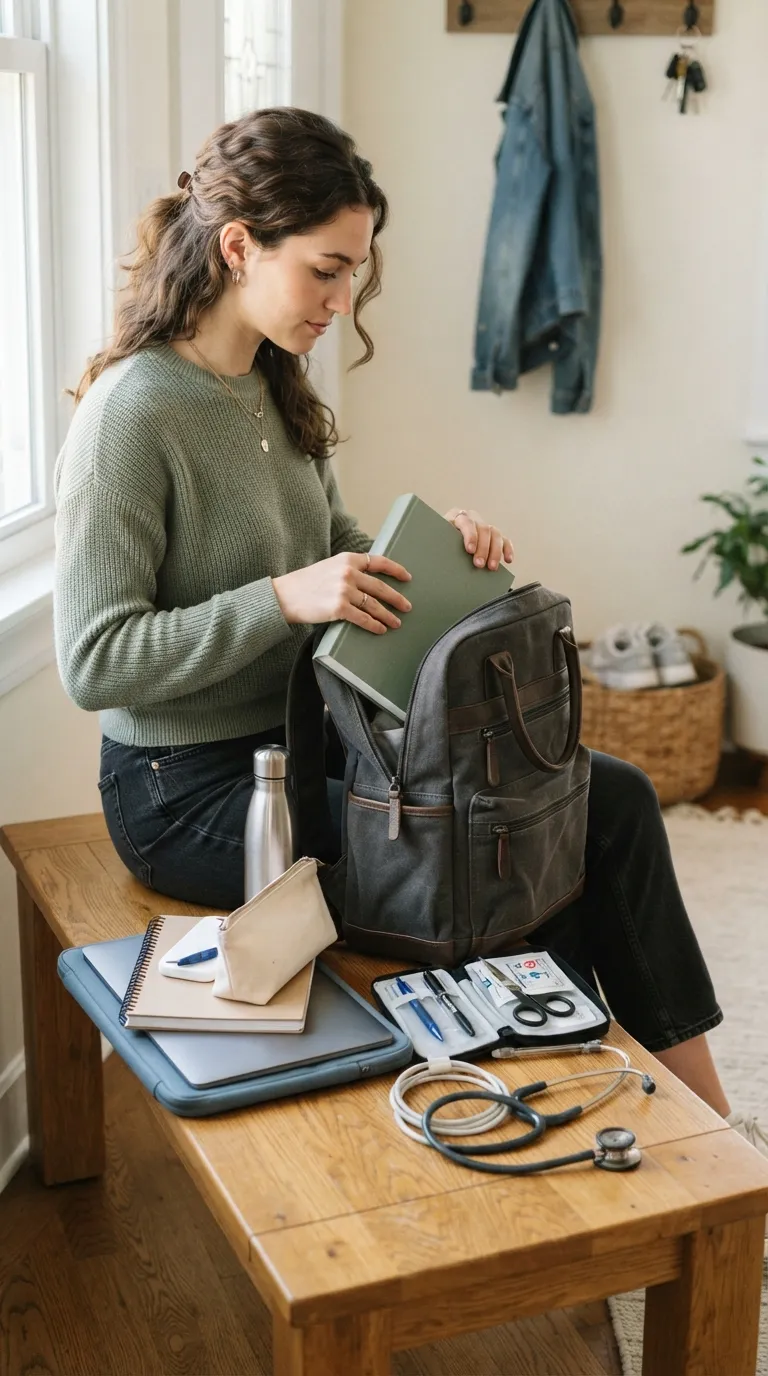
The best backpack is not necessarily the largest one. A comfortable design with compartments for technology and frequently used supplies can keep your essentials accessible while preventing unnecessary weight from accumulating.
8. Quiet Study Headphones

Headphones can create a useful boundary between study time and surrounding distractions. They are most effective when paired with a specific study routine rather than being used as a substitute for a quiet environment whenever possible.
9. Compact Desk Timer

A timer creates a beginning and ending point for a study block. That simple boundary can make it easier to start an unpleasant topic because you know you are committing to a defined period rather than an endless session.
10. Comfortable Study Chair
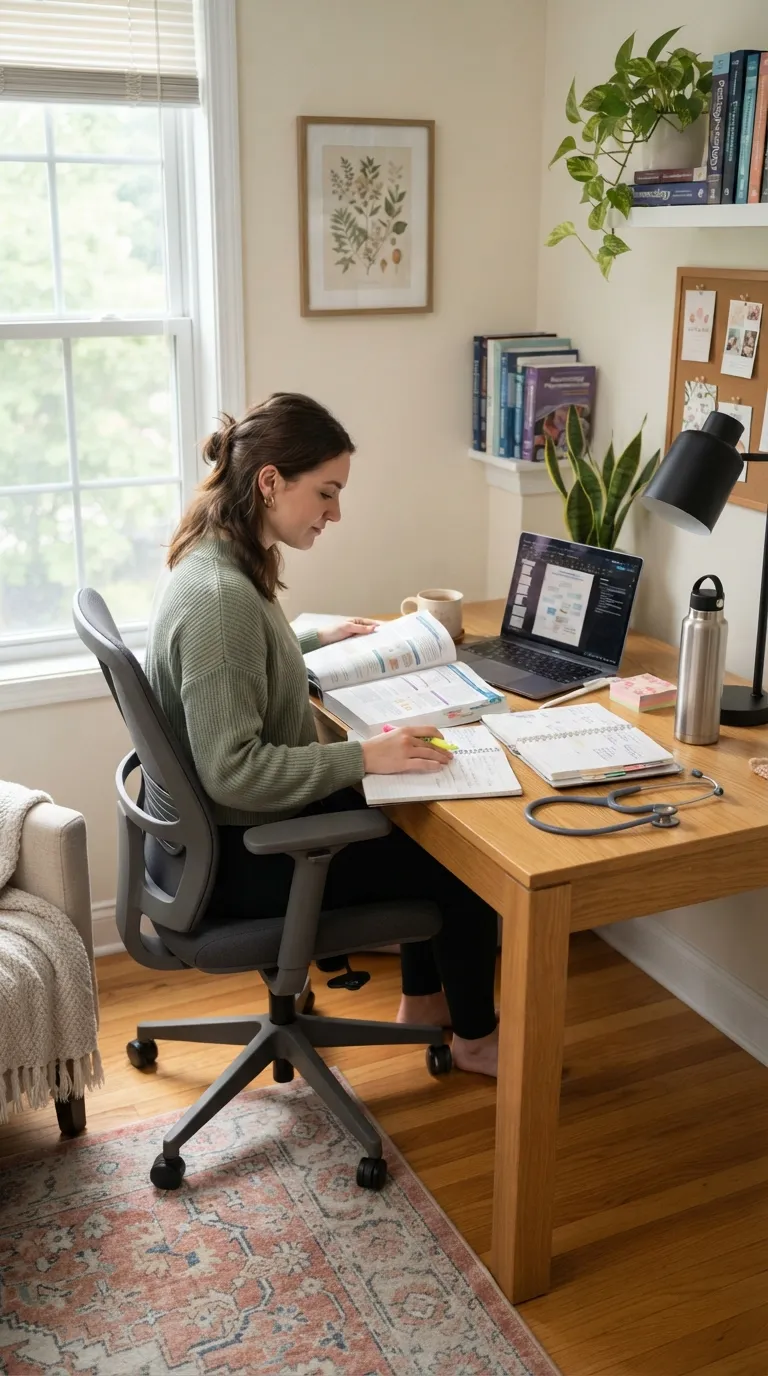
Comfort does not mean sitting in one position for hours. A supportive chair and a workable desk setup can make study sessions more pleasant, while short movement breaks help prevent the workspace from becoming physically tiring.
11. Small Whiteboard
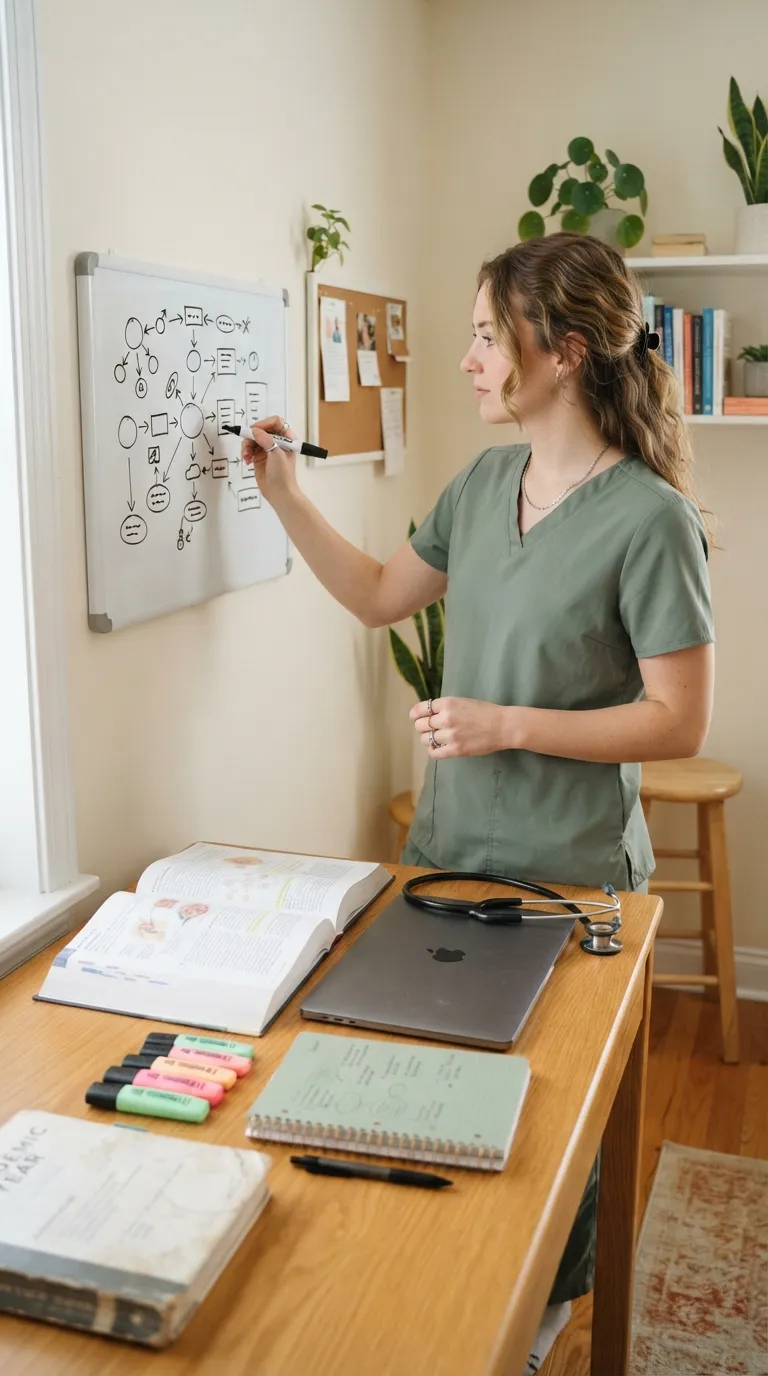
A whiteboard is especially useful for active recall because you can close your notes and recreate a process from memory. If the result is incomplete, erase it and try again after reviewing the missing information.
12. Sticky Note Flags
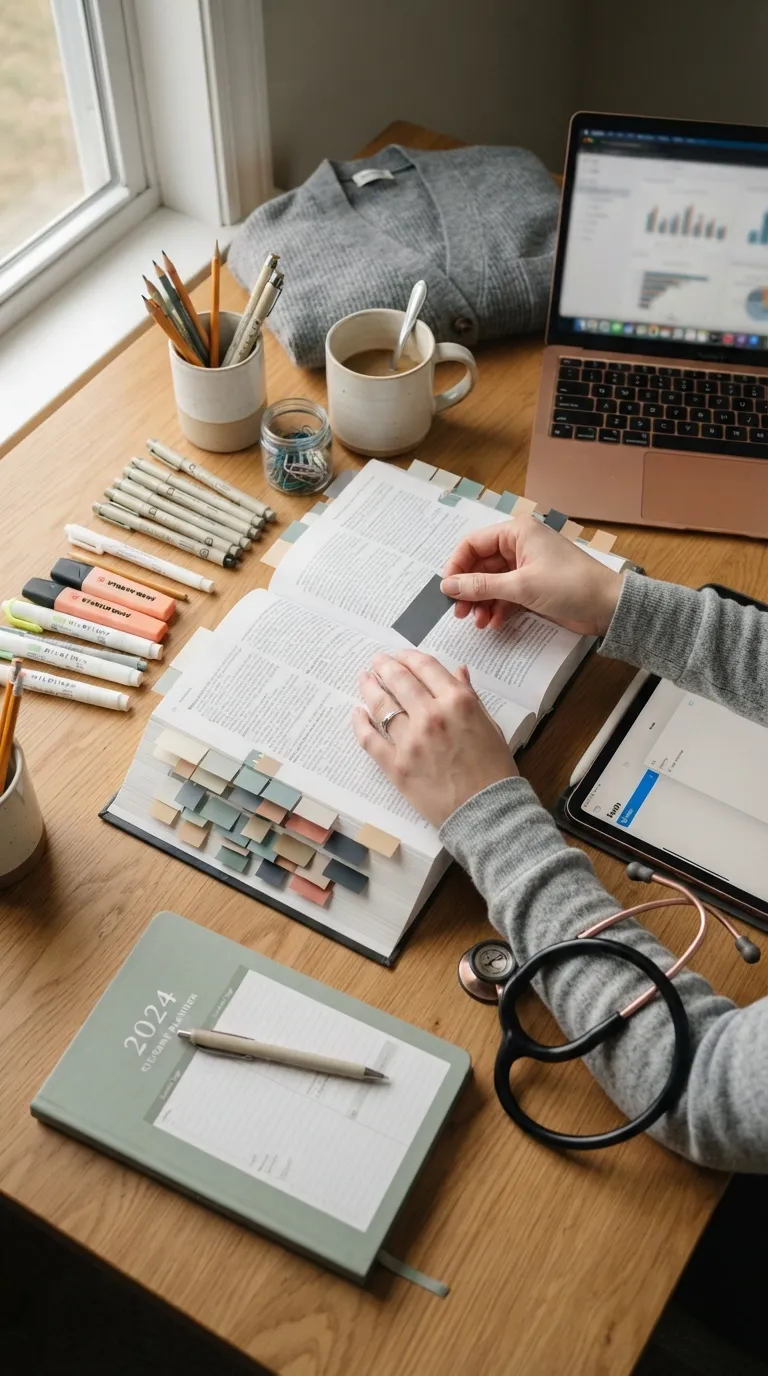
Flags are most helpful when they have a purpose. Rather than marking every interesting page, reserve them for information you genuinely need to revisit, such as confusing concepts, frequently used references, or areas that need another review.
13. Reliable Water Bottle
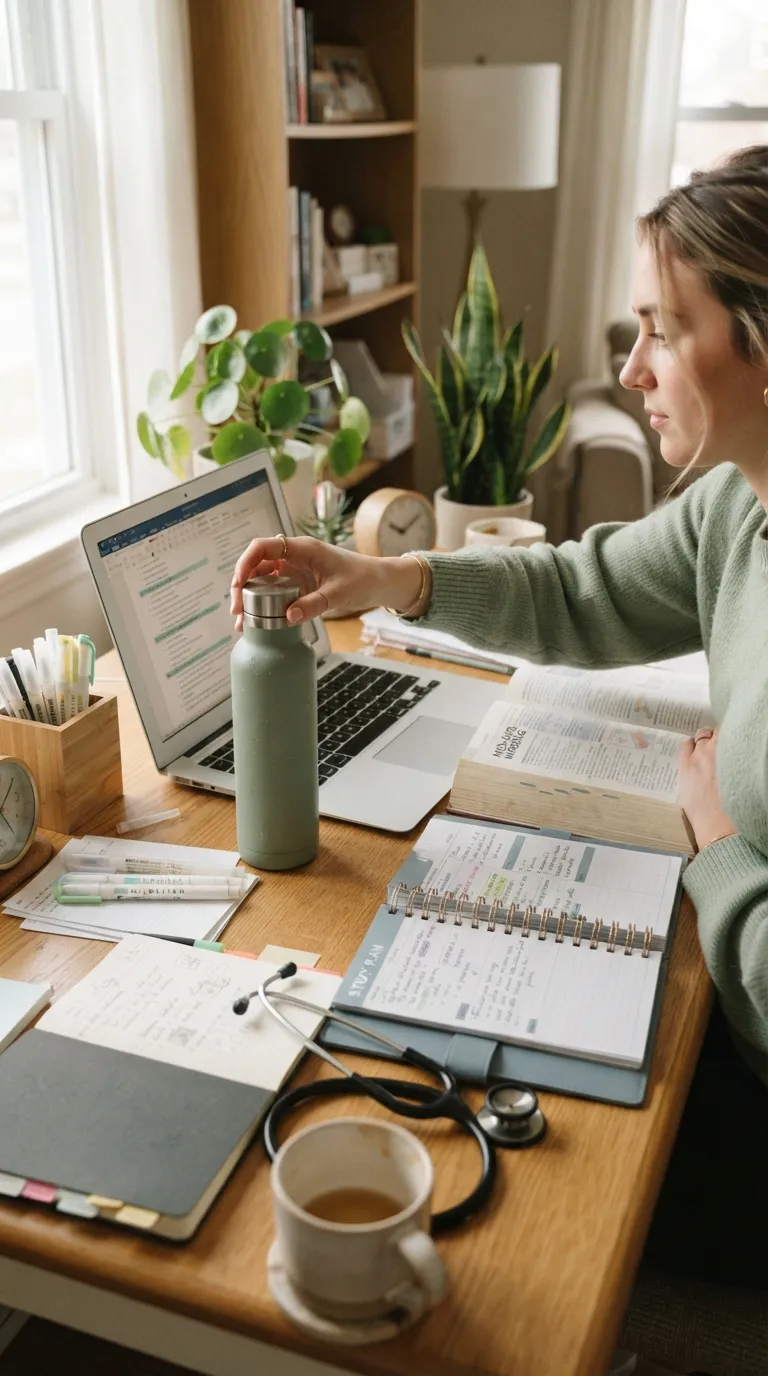
A water bottle is a simple practical item, but convenience matters. If it is easy to carry and refill, you are less likely to spend study time searching for a drink or leaving your workspace unnecessarily.
14. Portable Snack Container

A portable snack is less about creating a perfect meal plan and more about having a practical option during unpredictable school days. Choose something that travels well and fits comfortably into your bag without creating a mess.
15. Backup Pen Supply

Small supplies can have a surprisingly large effect on a stressful school day. Keeping a few dependable pens in one consistent location means you do not have to search through your bag whenever you need to take notes.
16. Basic Calculator

A calculator should support your reasoning rather than replace it. Practice setting up calculations correctly first, then use the calculator to perform the arithmetic and verify that the final result makes sense.
17. Digital Flashcard App
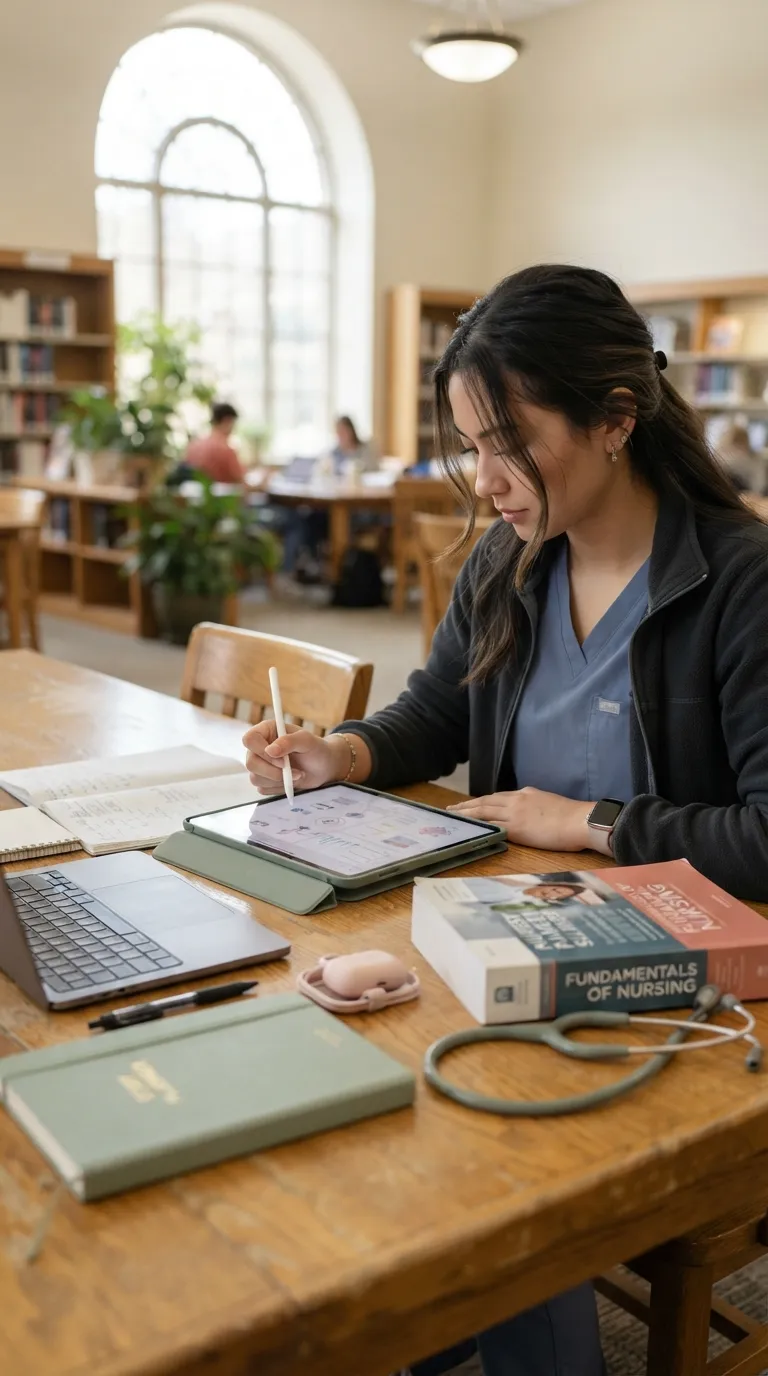
Digital flashcards are most useful when they encourage active recall. Keep each card narrow enough that you can answer it quickly, and prioritize cards that expose weak areas rather than endlessly reviewing information you already know.
18. Charging Cable Kit
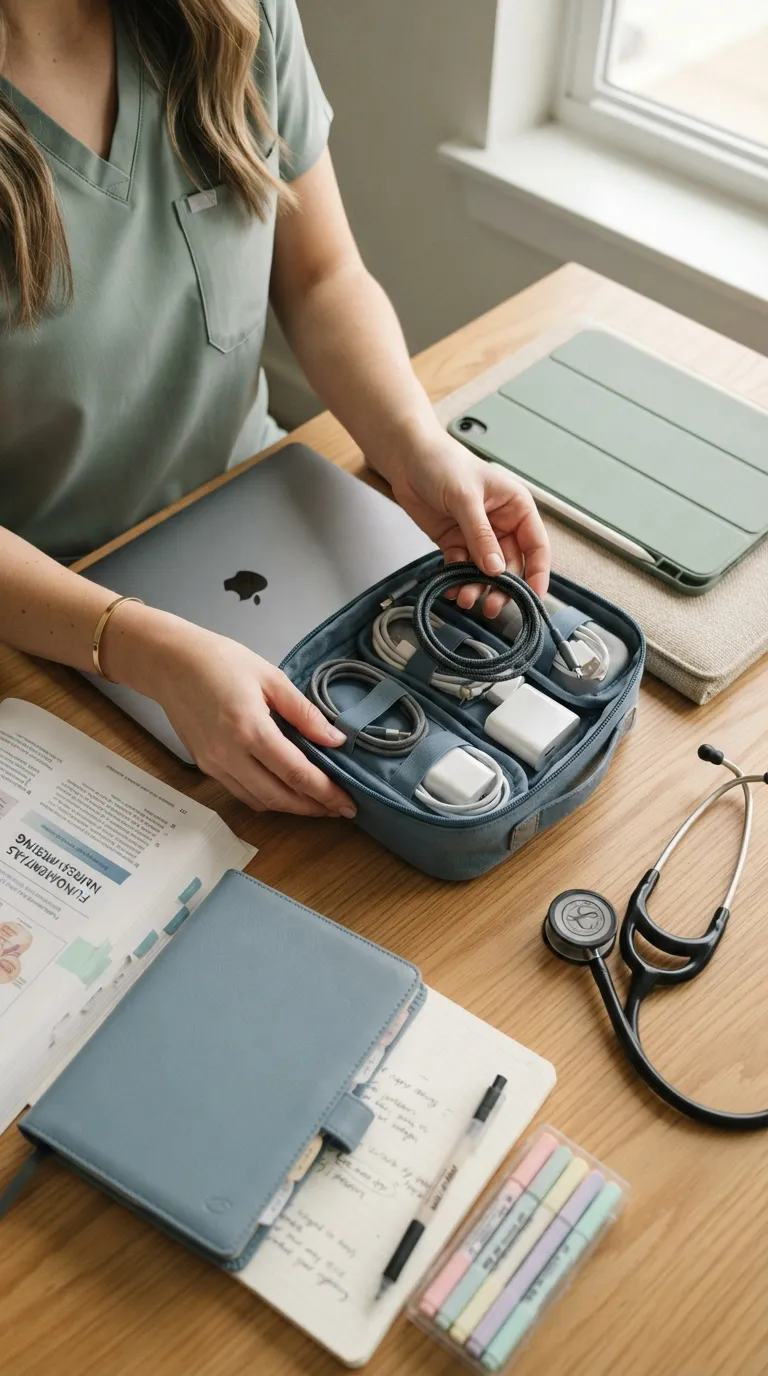
A small cable pouch prevents chargers from becoming tangled with notebooks and clinical supplies. If you regularly carry more than one device, keeping the necessary cables together can save time during long campus days.
19. Simple Desk Lamp
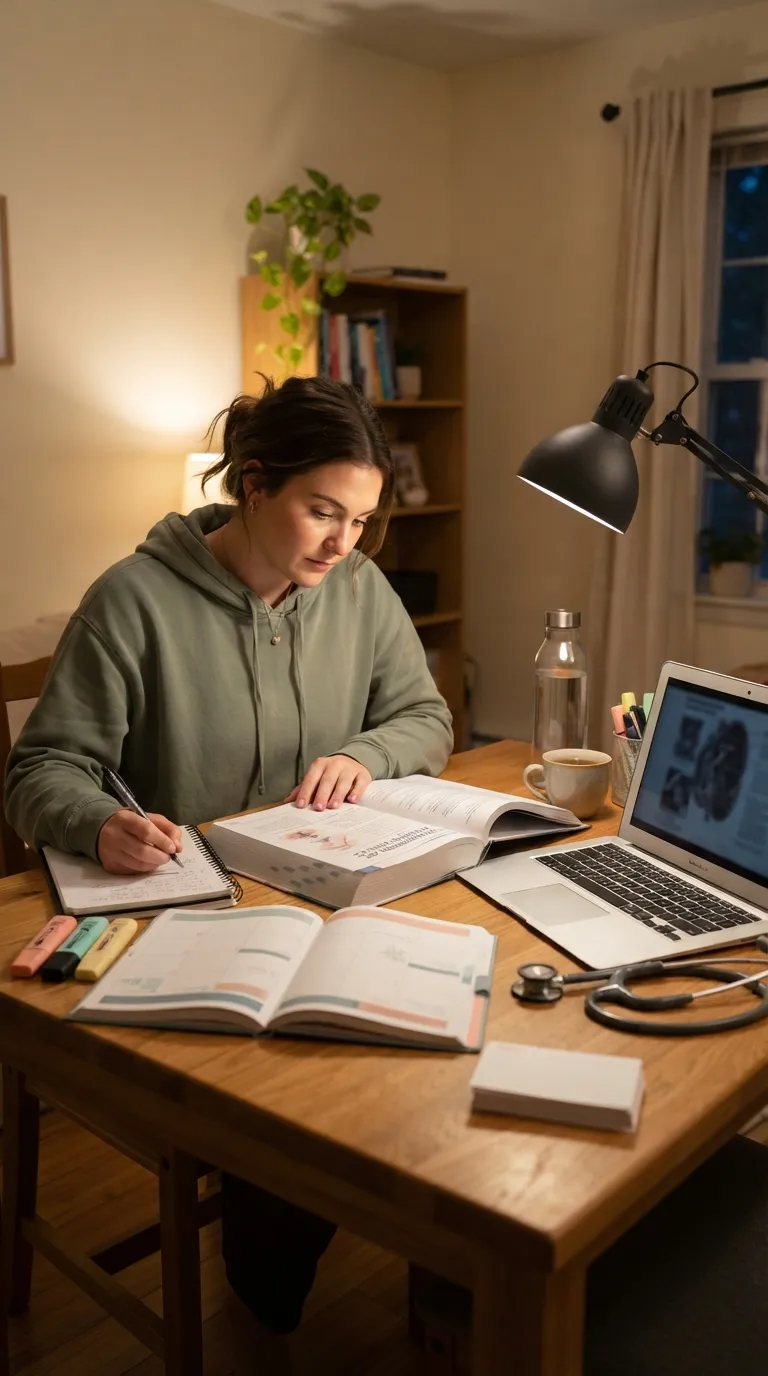
A dedicated lamp can make a study corner feel more intentional, particularly when you study after sunset. Place it so your hand does not cast a strong shadow over the page while keeping your screen comfortable to view.
20. Small Clinical Watch
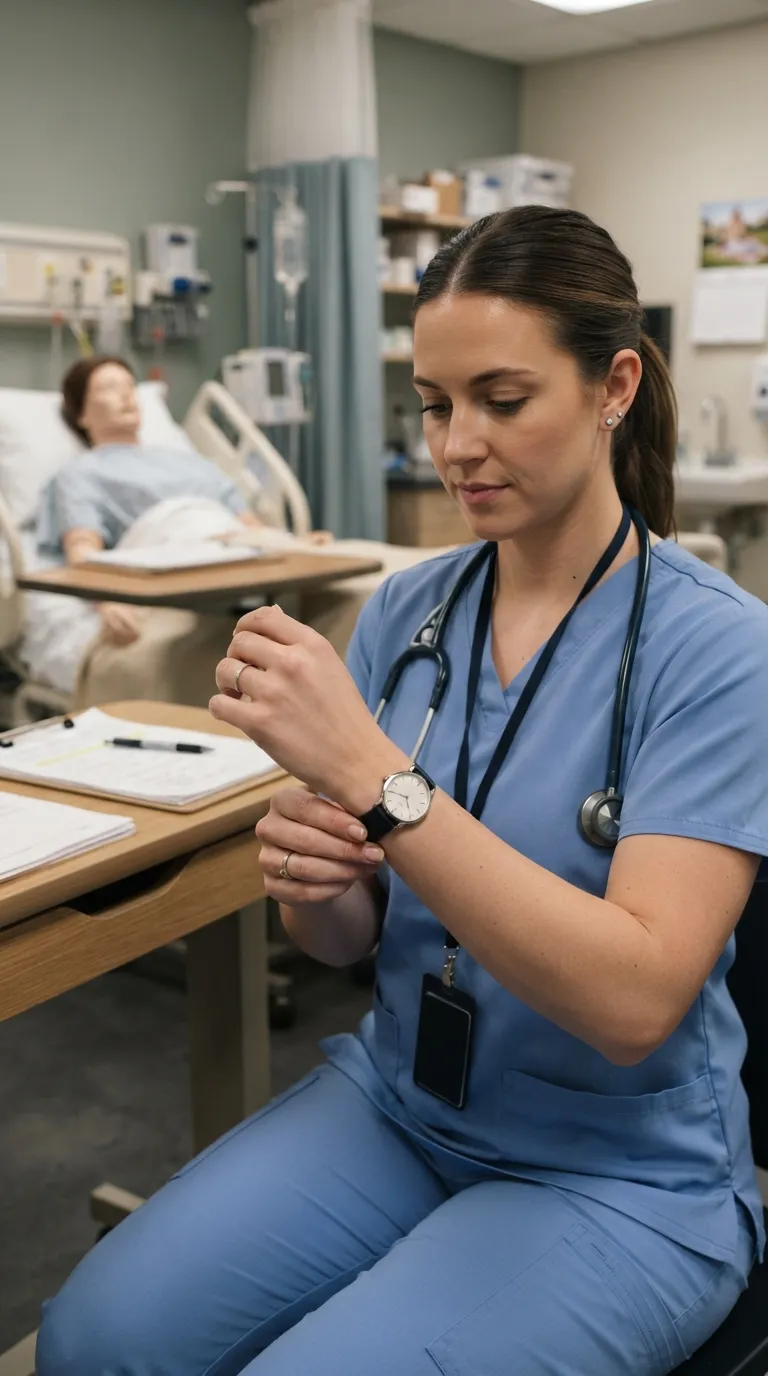
A watch is a small but practical addition to a clinical student’s routine. Choose one that is easy to read and comfortable, while remembering that clinical environments may have specific rules about jewelry and wearable devices.
21. Pencil Pouch Organizer

A pouch creates one predictable home for small supplies. This is especially helpful when you frequently switch between a dorm room, library, classroom, and clinical-study environment.
22. Backup Cloud Storage
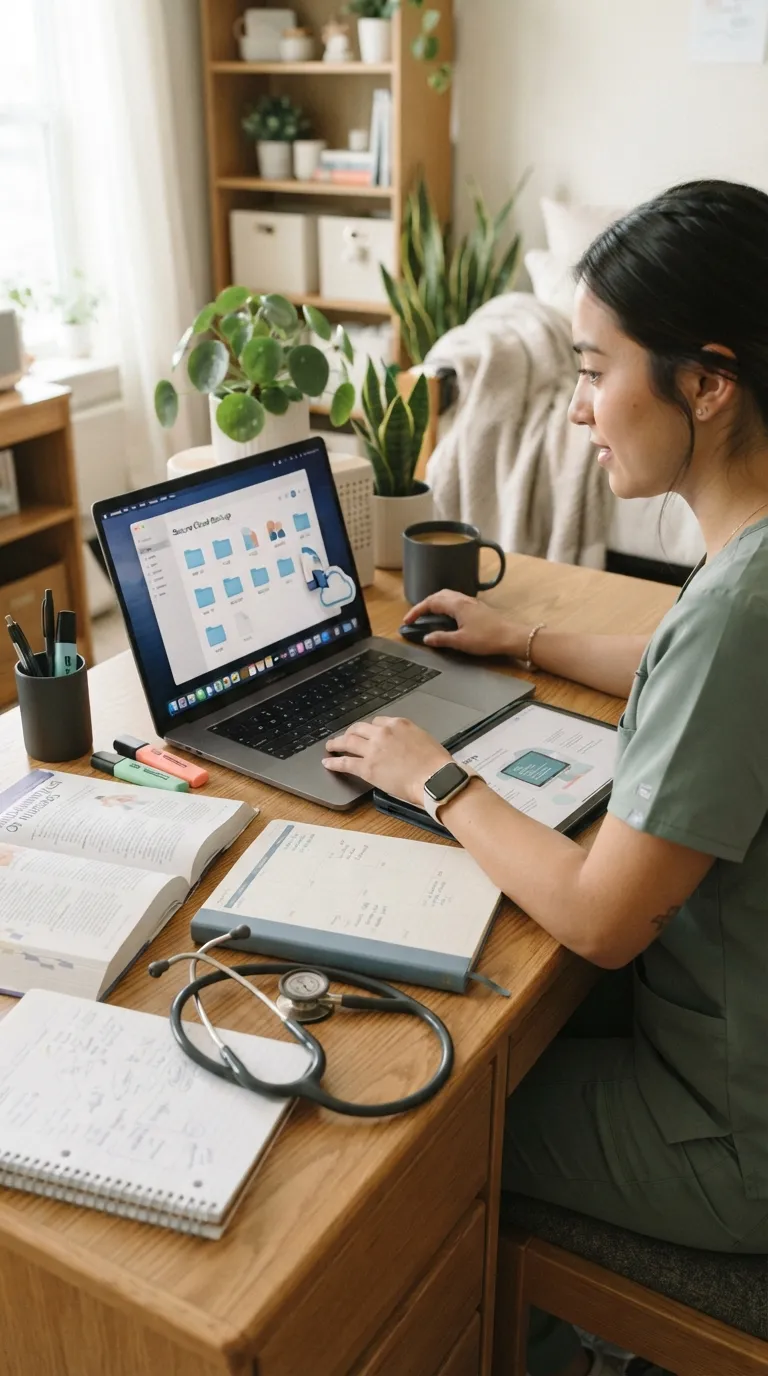
A backup is only useful if it is actually current. Make file syncing part of your normal study routine, and be careful not to store confidential patient information in personal cloud services.
23. Personal Study Checklist
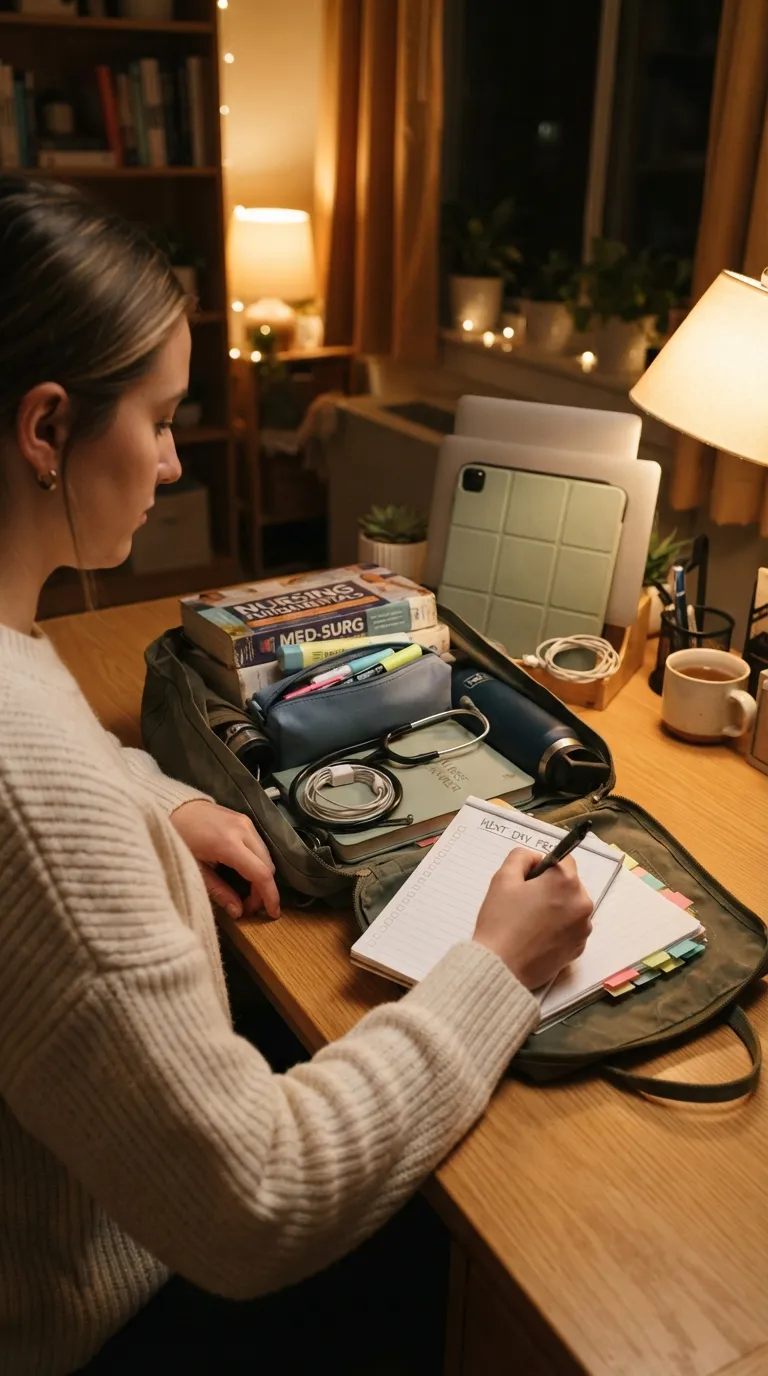
A personal checklist turns preparation into a repeatable habit. Before ending your study day, take a few minutes to recharge devices, replace supplies, organize notes, and prepare the items you will need for the next morning.
Final Thoughts
Being prepared for nursing school is not about carrying everything you own in one giant backpack. It is about choosing practical tools that solve everyday problems and creating a system that works consistently. A reliable planner, organized notes, dependable technology, useful study supplies, and a few everyday comfort items can make transitions between classes, libraries, home study sessions, and clinical preparation much easier. The goal is to spend less time searching, reorganizing, or troubleshooting and more time focusing on your coursework. Use these Nursing Student Essentials as a starting point, then personalize your setup around your courses, schedule, learning style, and school requirements.