


Nursing school can feel overwhelming when lectures, assignments, clinical preparation, and exam study all compete for your attention. The right Nursing School Hacks can help you simplify your routine without adding more work to your already busy schedule. Instead of trying to study longer, focus on studying with better systems. Small changes like batching similar tasks, using short study sprints, preparing ahead, and reviewing mistakes can make your academic days feel much more manageable. Whether you’re just starting nursing school or looking for a better routine, these practical ideas can help you organize your time, protect your focus, and make each study session more productive.
1. Start With the Syllabus

Looking at all your courses at once gives you a clearer picture of how busy each week may become. This simple step can prevent multiple large assignments or exams from sneaking up on you at the same time.
2. Batch Similar Tasks

Task batching can make your study routine feel more predictable. Rather than repeatedly opening and closing different resources, finish one type of work before moving into another.
3. Use the Two-Minute Rule

The point is not to rush every task. It is to prevent tiny jobs from accumulating into a distracting list that competes with your actual studying.
4. Study Before You Feel Ready

A short preview lowers the barrier to starting. When the full study session arrives, the topic will already feel somewhat familiar, making it easier to focus on deeper understanding.
5. Turn Commute Time Into Review

Not every commute needs to become study time. Use it only when the setting is safe and comfortable, and choose review activities that do not require a full desk or intense concentration.
6. Keep a Parking Lot List

This technique keeps small thoughts from becoming full distractions. You acknowledge them without allowing every new idea to redirect your study session.
7. Use Dead Time Wisely

Five or ten minutes may not be enough for a major chapter, but it can be enough to reinforce something you already studied. Think of these gaps as maintenance sessions rather than replacements for focused study.
8. Change Study Locations

A change of scenery can provide a psychological reset. Match the location to the task instead of searching for one perfect study spot for everything.
9. Make a Master Deadline List

A master list makes busy periods visible before they arrive. It also helps you decide when to start preparing instead of discovering several deadlines only after the week has already begun.
10. Create a Pre-Class Preview

The goal is familiarity, not mastery. Even a quick preview can make a new topic feel less foreign and give you a better idea of what to listen for during class.
11. End With a Recall Test

A recall test gives you a more honest picture of what stayed with you. The gaps you discover can become the starting point for your next review session.
12. Keep a Question Queue

A question queue prevents small uncertainties from repeatedly interrupting your study flow. It also gives you a ready-made list to discuss during office hours or study groups.
13. Use Short Study Sprints

Short sessions are not automatically better than long ones. Their value comes from giving your attention a clear target and reducing the mental resistance that can accompany an undefined afternoon of studying.
14. Turn Mistakes Into Tasks

A mistake becomes more valuable when it changes what you do next. This approach shifts review away from simply noticing errors and toward correcting the reasoning behind them.
15. Separate Learning From Organizing

Organization should support studying rather than replace it. Give yourself enough structure to find what you need, then move quickly into the actual learning work.
16. Use a Study Start Ritual

The ritual does not need to be elaborate. Repeating a few simple actions before studying can reduce the number of decisions between “I should study” and actually beginning.
17. Keep One Open Task

Single-tasking does not mean ignoring your responsibilities. It simply reduces visual competition while you complete a specific piece of work.
18. Review From Hardest to Easiest

This strategy works best when your attention is strongest earlier in the session. If your schedule or energy pattern is different, reverse the order and place demanding work where you naturally concentrate best.
19. Create a Sunday Reset

The reset should be short enough that you actually repeat it. Think of it as preparing the environment for the week rather than creating another large assignment for yourself.
20. Use Your Instructor’s Clues

Instructor emphasis can help you prioritize, but it should not replace studying the broader course material. Use those clues to guide your attention rather than assuming only highlighted topics matter.
21. Record Your Study Wins

Small wins provide evidence that your effort is producing progress. This can be especially useful during demanding weeks when unfinished tasks make it easy to forget how much you have already accomplished.
22. Rotate Study Methods

Different topics demand different approaches. Rotating methods keeps your study sessions purposeful instead of forcing every chapter into the same note-taking or rereading routine.
23. Set a Research Limit

Research should answer a question, not become an endless rabbit hole. Starting with approved educational resources and setting a time boundary can help you stay focused on what your course actually requires.
24. Prepare Tomorrow Tonight

Morning preparation becomes easier when most decisions have already been made. This is particularly useful before early classes or clinical days when time and attention are limited.
25. Use the “Why” Test

The “why” test shifts studying from isolated memorization toward relationships. When you understand why something happens, you often have more than one mental path for remembering it.
26. Build a Resource Shortlist

More resources do not automatically mean better preparation. A focused collection makes it easier to stay aligned with course expectations and reduces time spent deciding what to study from.
27. Protect Your Breaks

A break should give your attention somewhere else to go for a few minutes. Protecting that time can make it easier to return to your next study block with a clearer focus.
28. Create a Backup Study Plan

A backup plan should be realistic rather than another demanding schedule. Decide what absolutely needs to happen and what can safely move to another day.
29. Study With an Accountability Partner

The strongest study partnerships have structure. Agree on what you want to accomplish before starting so the session remains productive and both students leave knowing what they covered.
30. Finish With a Five-Minute Reset
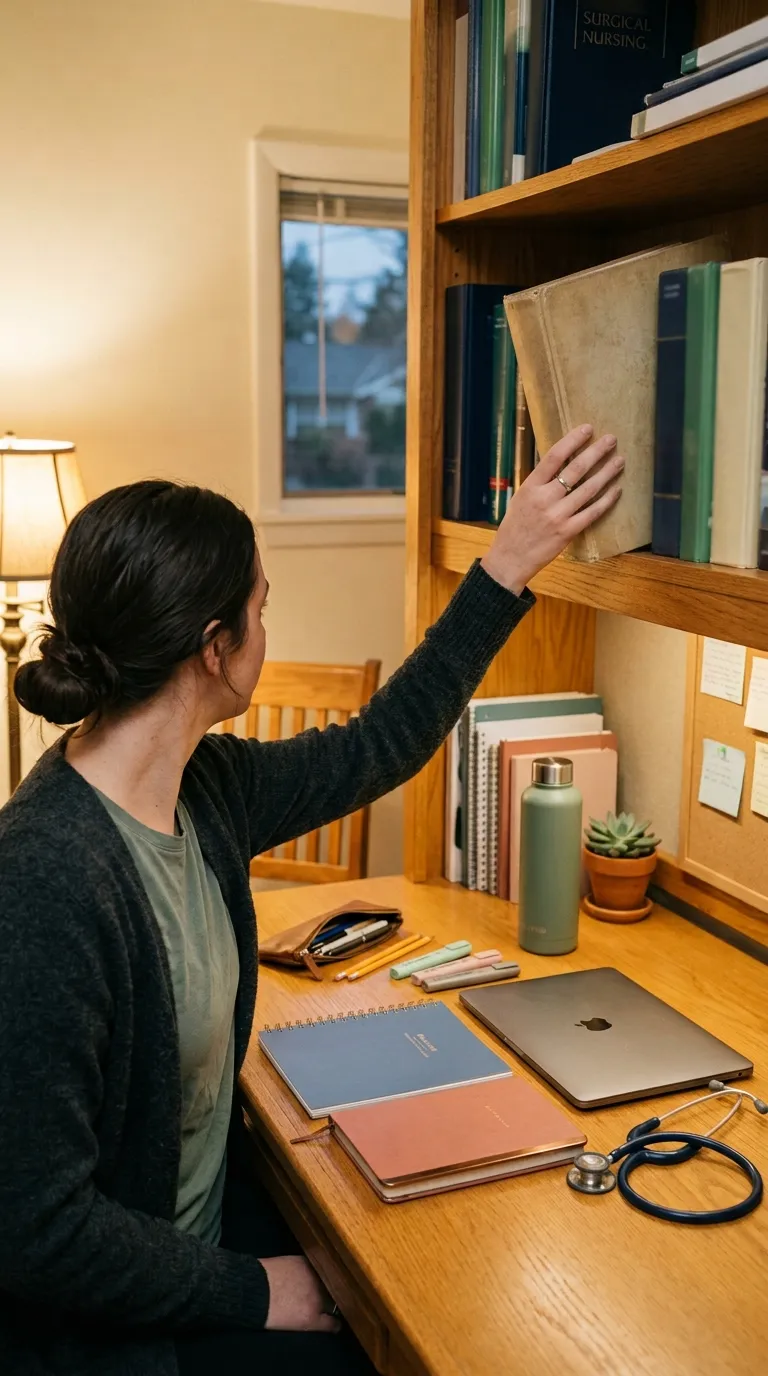
A reset creates a clean handoff between study sessions. When you already know what the next task is and your basic supplies are in place, starting again requires less effort.
Your Next Step
Nursing school does not always require more hours at your desk—it often requires a smarter approach to the hours you already have. Simple habits like planning ahead, reducing distractions, using active recall, and adjusting your study methods can make a noticeable difference. You do not need to use all 30 Nursing School Hacks at once. Choose two or three that fit your current routine, practice them consistently, and add more as they become natural. The best study system is one you can realistically maintain during busy weeks, challenging courses, and clinical rotations. Keep it simple, flexible, and focused on helping you learn rather than simply keeping busy.