


Nursing exams can be challenging because they test more than simple memorization. You may need to recognize important clues, prioritize client needs, apply clinical reasoning, and choose the safest response under time pressure. The right Nursing Exam Tips for Nursing Students can help you approach these questions with a clearer strategy instead of relying on last-minute cramming. Small changes in how you practice and review can make your preparation more focused. Whether you are preparing for a course exam or building stronger test-taking habits for future nursing exams, these practical tips can help you study with greater purpose and confidence.
1. Read the Question First

Taking a few seconds to identify the task can prevent avoidable mistakes. A question asking for the priority action requires a different approach from one asking for the most appropriate teaching point or expected finding.
2. Identify the Client Need

A strong answer should address the actual need presented by the question. Avoid selecting an option simply because it sounds generally helpful if it does not solve the specific problem being tested.
3. Watch for Timing Clues

Timing clues can provide the context needed to understand whether a finding is expected, concerning, or connected to a recent event. Train yourself to notice them before evaluating the choices.
4. Eliminate Clearly Wrong Answers

Elimination reduces the number of possibilities and gives you a more manageable comparison. It is particularly useful when two choices initially seem plausible.
5. Compare Similar Choices

When two choices both seem reasonable, the distinction is often hidden in the details. Ask yourself what makes one answer more appropriate for this exact situation.
6. Practice Without Notes

Closed-resource practice gives you a better indication of what you can actually retrieve. Review the missed concepts afterward rather than looking up every answer while you are still testing.
7. Mix Question Types

Variety prepares you for changes in wording and question structure. It also makes it harder to rely on recognizing a familiar pattern instead of understanding the underlying concept.
8. Explain Every Answer

Explaining the reasoning is often more useful than simply checking whether the selected letter was correct. It helps you identify whether you arrived at the answer through understanding or guessing.
9. Review Rationales Actively

A useful rationale should help you recognize the concept in a new scenario. If you only memorize the explanation attached to one question, a differently worded question may still feel unfamiliar.
10. Build a Question Bank

A question bank becomes more valuable when it reflects your weaknesses. Do not collect hundreds of questions without reviewing the reasoning behind the ones you miss.
11. Practice Under a Timer
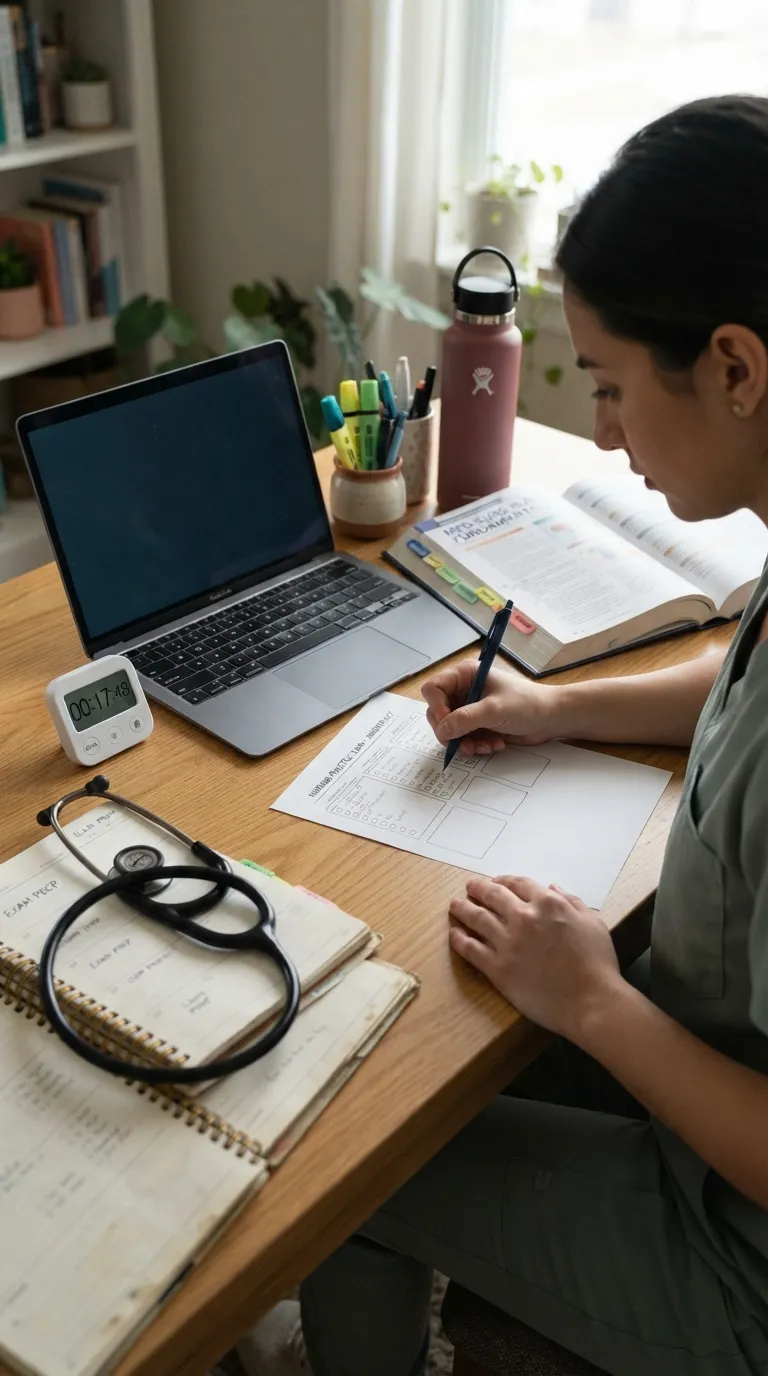
Timed practice should supplement—not replace—untimed learning. First make sure you understand the material, then gradually introduce time pressure so you can work efficiently without sacrificing careful reading.
12. Learn From Your Wrong Answers
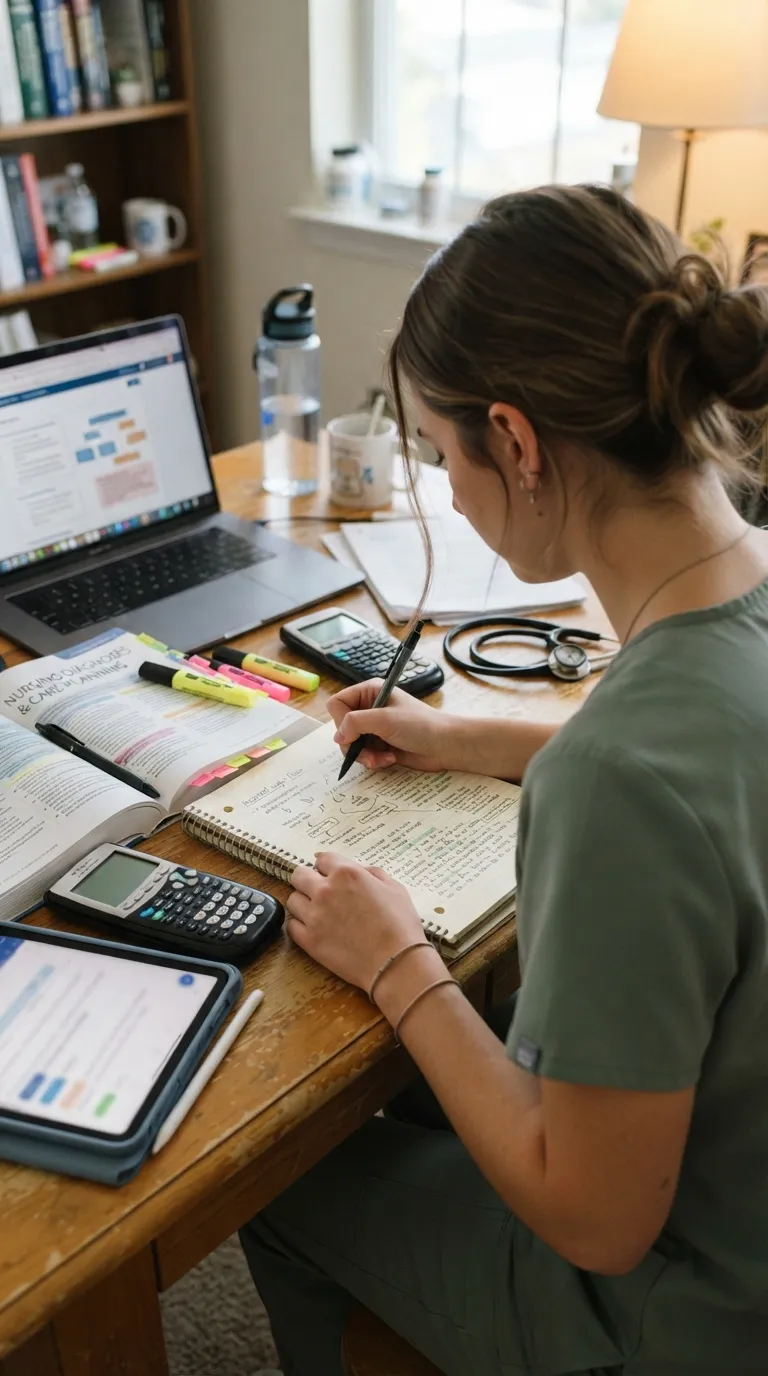
A wrong answer is useful when it tells you something specific. Maybe you misunderstood the question, missed a clinical clue, confused two concepts, or selected an unsafe option too quickly.
13. Prioritize Weak Topics

Targeted review is more efficient than repeatedly studying everything equally. Let your practice performance guide your next step instead of relying only on what feels comfortable.
14. Use Clinical Examples

Clinical examples help bridge the gap between “I know this definition” and “I can recognize this concept in a patient scenario.” Keep examples educational and based on your approved course material.
15. Slow Down on Priority Questions

The word “priority” should immediately make you pause and identify what the question is asking you to prioritize. Do not let a familiar intervention automatically become your answer.
16. Practice Teaching Questions

Teaching questions often reward answers that are practical, understandable, and directly relevant to the client’s situation. Read the wording carefully rather than assuming the most detailed answer is automatically best.
17. Review Key Terminology

Terminology review does not need to become a huge vocabulary project. Focus on words that repeatedly appear in your coursework or cause you to hesitate when answering practice questions.
18. Study the “Why,” Not Just the Fact

Understanding relationships makes unfamiliar questions less intimidating. If you know the reasoning behind a concept, you can often apply it even when the wording or patient scenario changes.
19. Practice With a Study Partner

A study partner is most useful when both students actively explain and question the reasoning. If one person simply gives the answers, the session becomes much less valuable.
20. Take Strategic Breaks

A break should help restore your attention rather than become an accidental hour away from studying. Decide what you will do during the break and when you will return.
21. Prepare Your Exam Materials

Preparation reduces the number of small decisions you need to make on the morning of an exam. Always follow your school’s specific instructions about permitted materials and testing procedures.
22. Read Every Option

An answer can sound reasonable without being the best response. Reading every option helps you compare the choices against the exact wording of the question.
23. Trust Your Preparation

Confidence should come from preparation and reasoning, not from refusing to reconsider an answer. If you notice a specific clue you initially missed, changing your choice can be completely appropriate. Before making a final decision, review the question carefully and connect the available evidence to the patient’s condition and priorities.
Avoid changing an answer simply because you feel uncertain, but remain open to reconsidering it when new information or a clearer understanding supports a different choice. Developing this balanced approach can strengthen clinical judgment, improve decision-making, and help you answer nursing exam questions more confidently.
24. Protect Your Sleep Before Exams

Rest is part of exam preparation, not time stolen from it. Give yourself a stopping point so the final evening is about settling your routine rather than attempting to relearn an entire course. Focus on reviewing key concepts, checking your notes, and revisiting only the topics that need a little extra attention. Avoid long, stressful study sessions that leave you mentally exhausted before the exam.
Getting enough sleep, eating regular meals, and preparing your study materials in advance can help you feel more focused and ready to recall what you have learned. A balanced routine supports concentration, memory, and clearer thinking when it matters most.
25. Use a Final Review Checklist
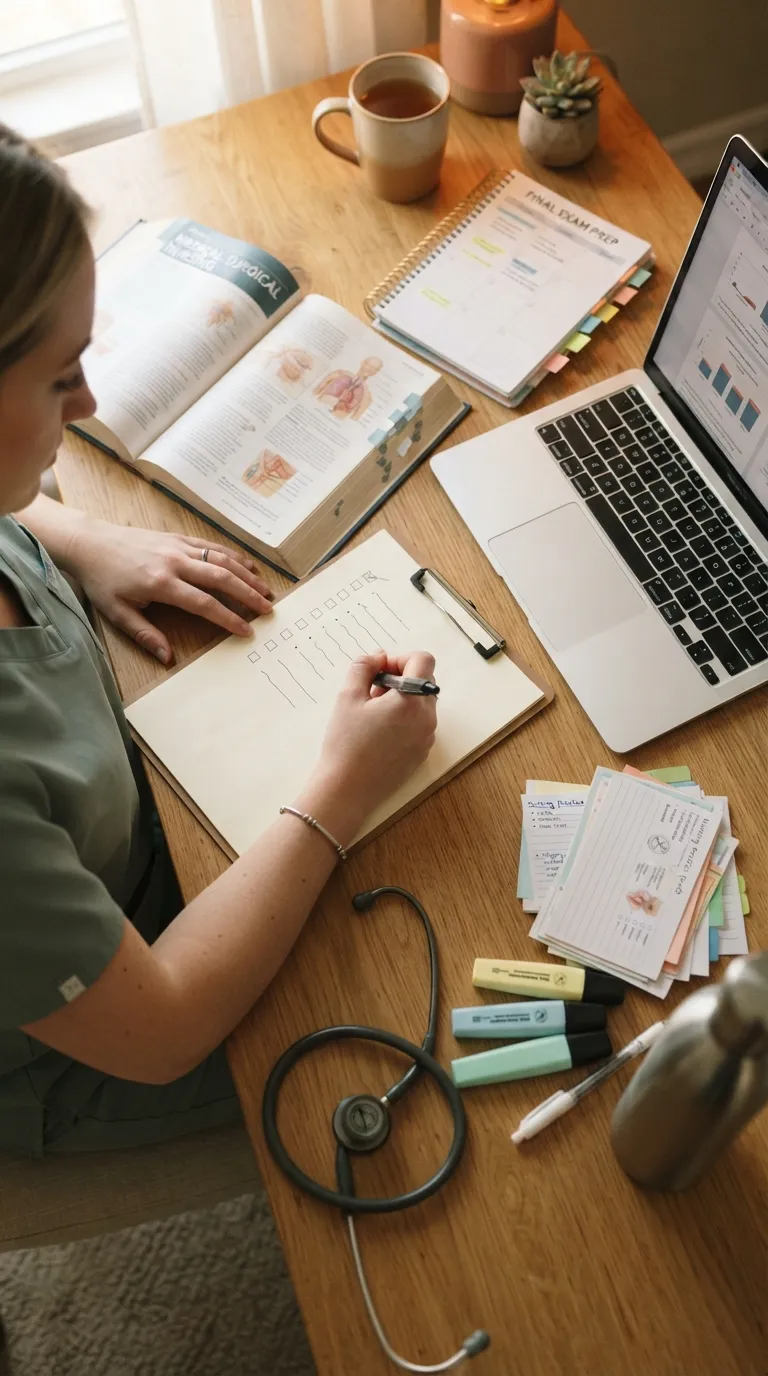
A final checklist should simplify your last review rather than create another giant study assignment. Once your key areas have been reviewed and your exam materials are ready, give yourself permission to stop.
Final Thoughts
Strong nursing exam preparation is about more than studying for longer hours. It is about understanding how questions work, practicing application, learning from mistakes, and recognizing which topics need your attention most. Use these Nursing Exam Tips for Nursing Students as a flexible guide rather than trying to change your entire study routine overnight. Start with the strategies that address your biggest challenge, then gradually build them into your preparation. With consistent practice, thoughtful review, and a calm approach to each question, you can walk into your next nursing exam feeling more prepared and ready to demonstrate what you know.