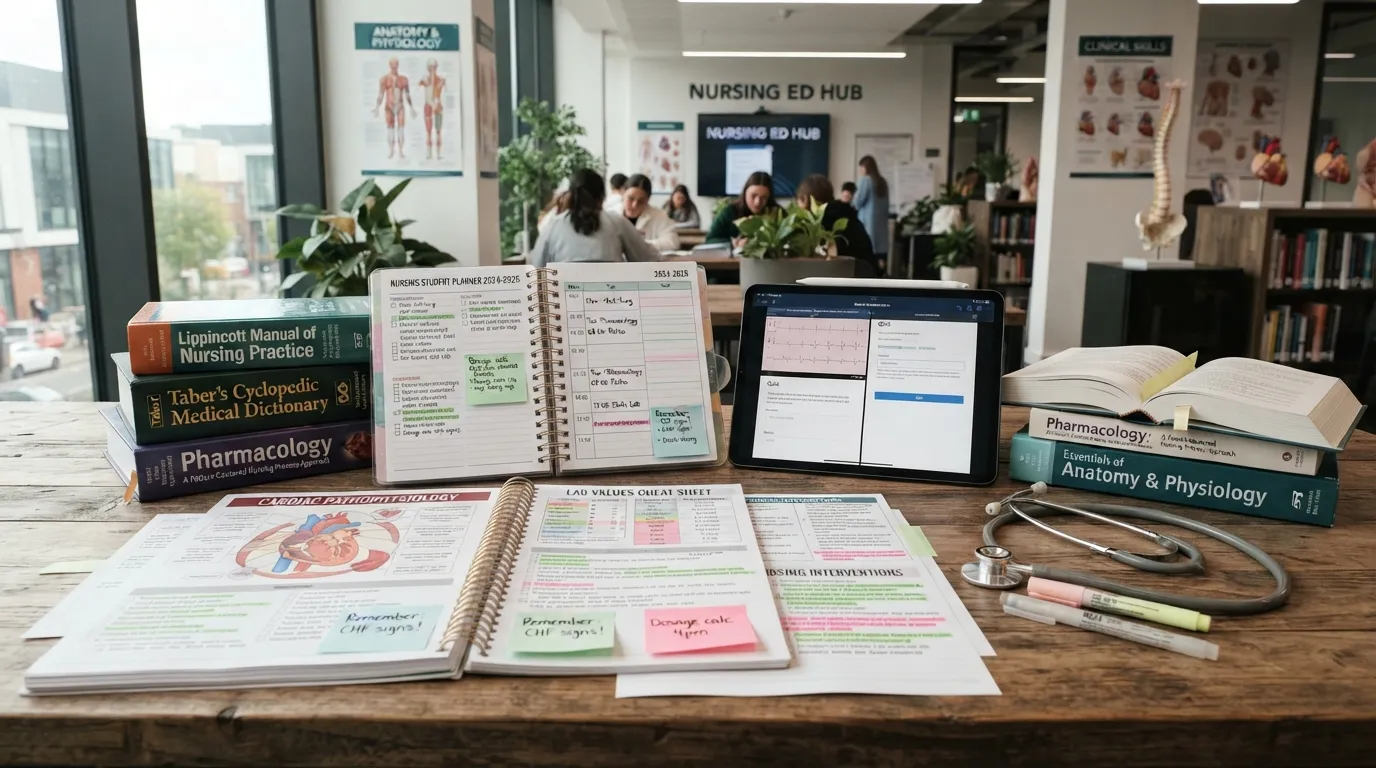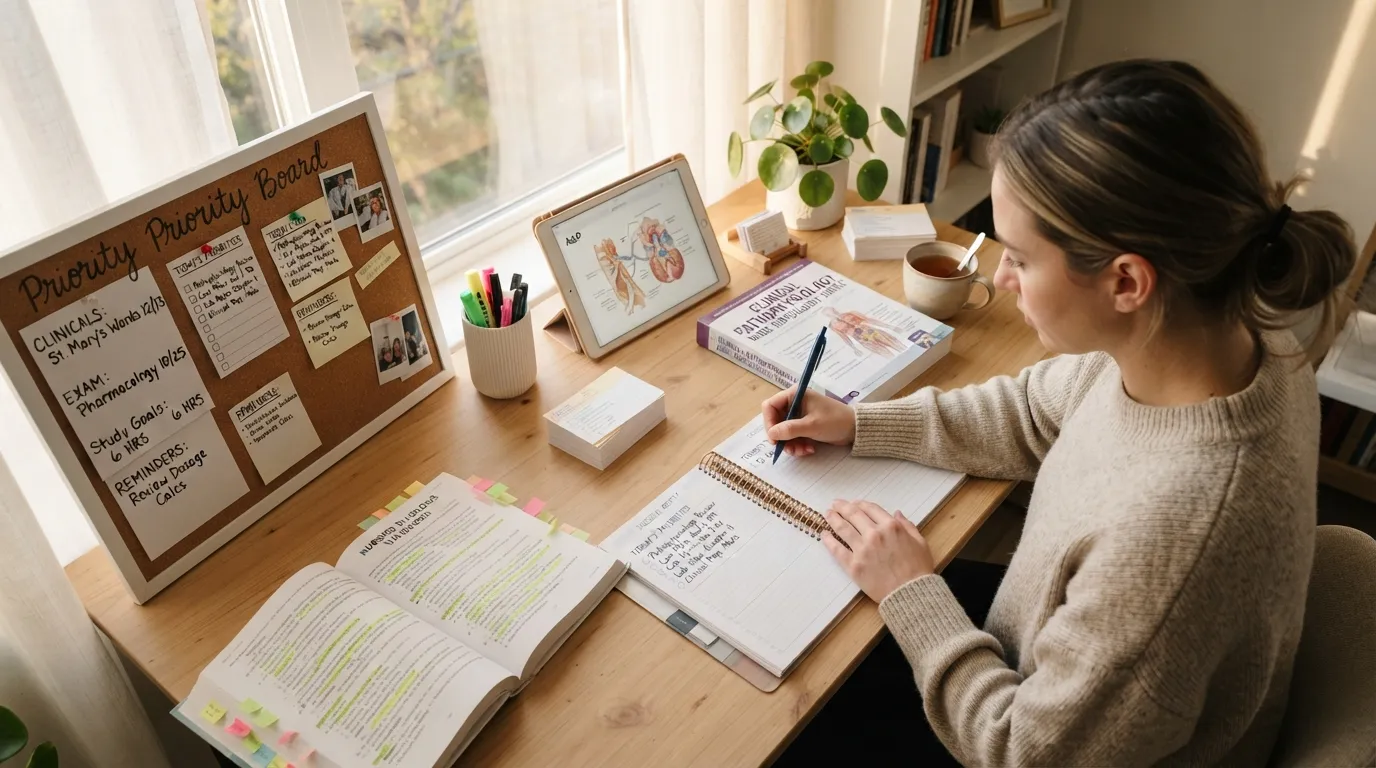


Nursing Notes Ideas can completely change the way nursing students approach dense lectures, complicated concepts, and exam preparation. Instead of filling pages with copied information, effective notes should help you connect ideas, identify weak areas, and recall important material later. From visual maps and case studies to memory dumps and review grids, these practical methods can make your study sessions more focused and productive.
Concept Map Notes
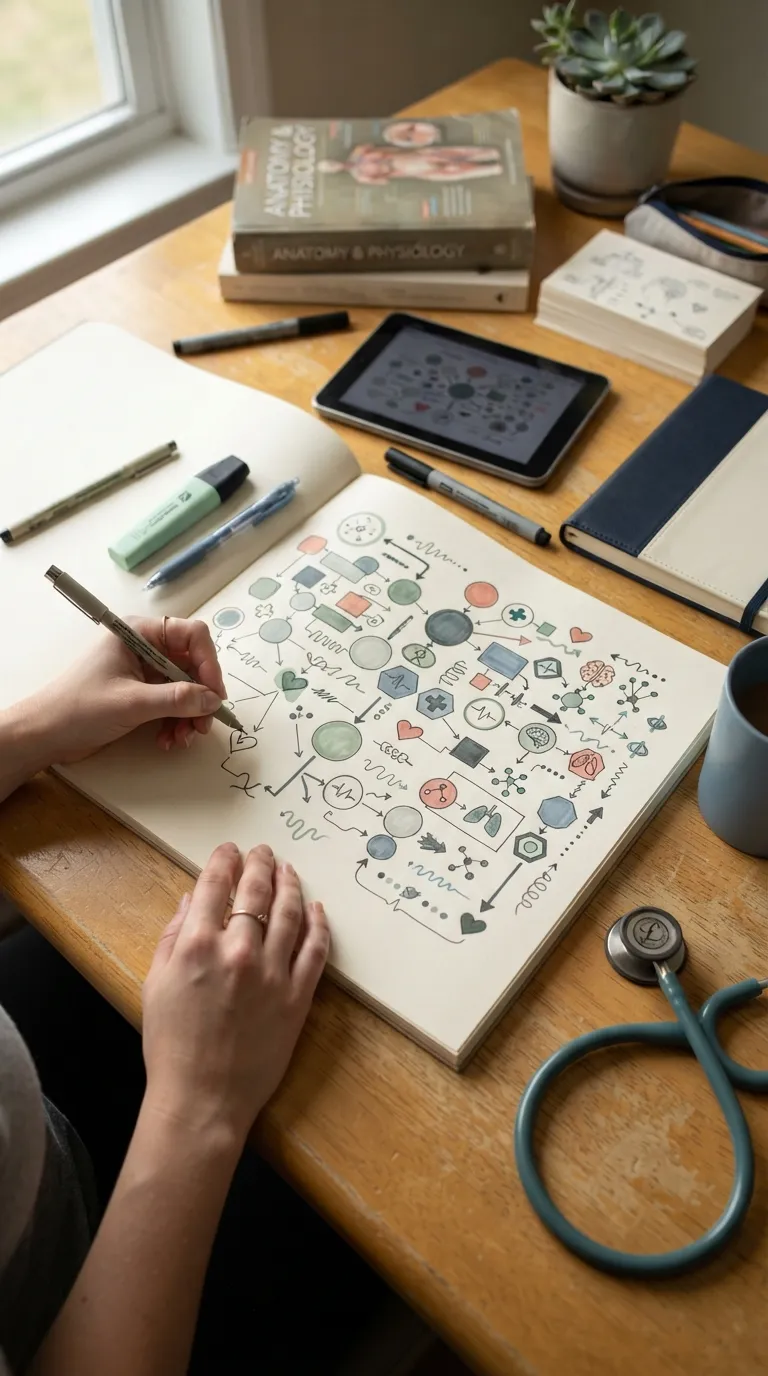
This method is especially useful when several pieces of information influence one another. Seeing the connections can make a topic easier to recall than studying isolated bullet points. Try organizing related concepts into groups and using arrows, short explanations, or examples to show how they fit together.
This approach can help you understand the reasoning behind each step, strengthen long-term memory, and apply what you have learned more confidently during nursing exams and clinical study sessions.
Comparison Chart Notes

Comparison notes work best when you concentrate on the differences most likely to cause confusion. A compact chart can then become a quick review page before a quiz rather than another long set of notes.
Flowchart Summaries

If a process feels difficult to memorize, try turning it into a visual path. The act of deciding what comes first, what follows, and where decisions occur can reinforce the sequence while you create the notes. Use simple arrows, numbered steps, or decision points to make each stage easier to follow.
This technique is particularly helpful for nursing procedures, clinical assessments, and dosage calculations, where understanding the correct order can improve recall and reduce confusion during revision.
One-Page Summaries

A single-page limit can be surprisingly effective. It encourages you to decide what deserves space and creates a convenient review sheet when you need to refresh a topic quickly.
Question-Based Notes

Question-based notes naturally create an active-recall opportunity. Once your notes are finished, cover the answers and try responding from memory instead of simply rereading the page. Mark the questions you struggle with and revisit them during your next study session.
This approach helps you identify knowledge gaps, strengthen long-term retention, and focus your revision time on topics that need more practice rather than spending equal time on everything.
Priority Box Notes
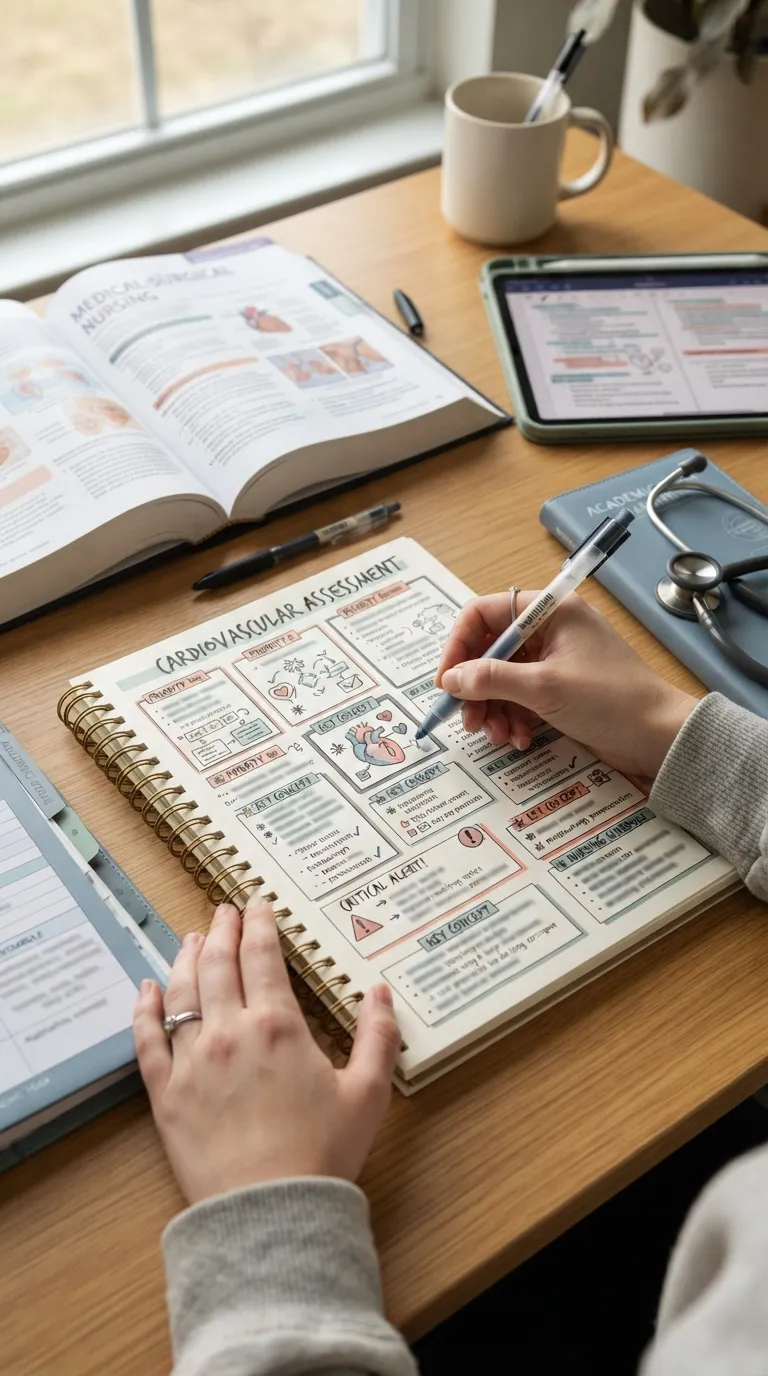
A priority system becomes less useful when everything is labeled important. Reserve your strongest visual marker for concepts that genuinely deserve another review.
Mnemonic Notes
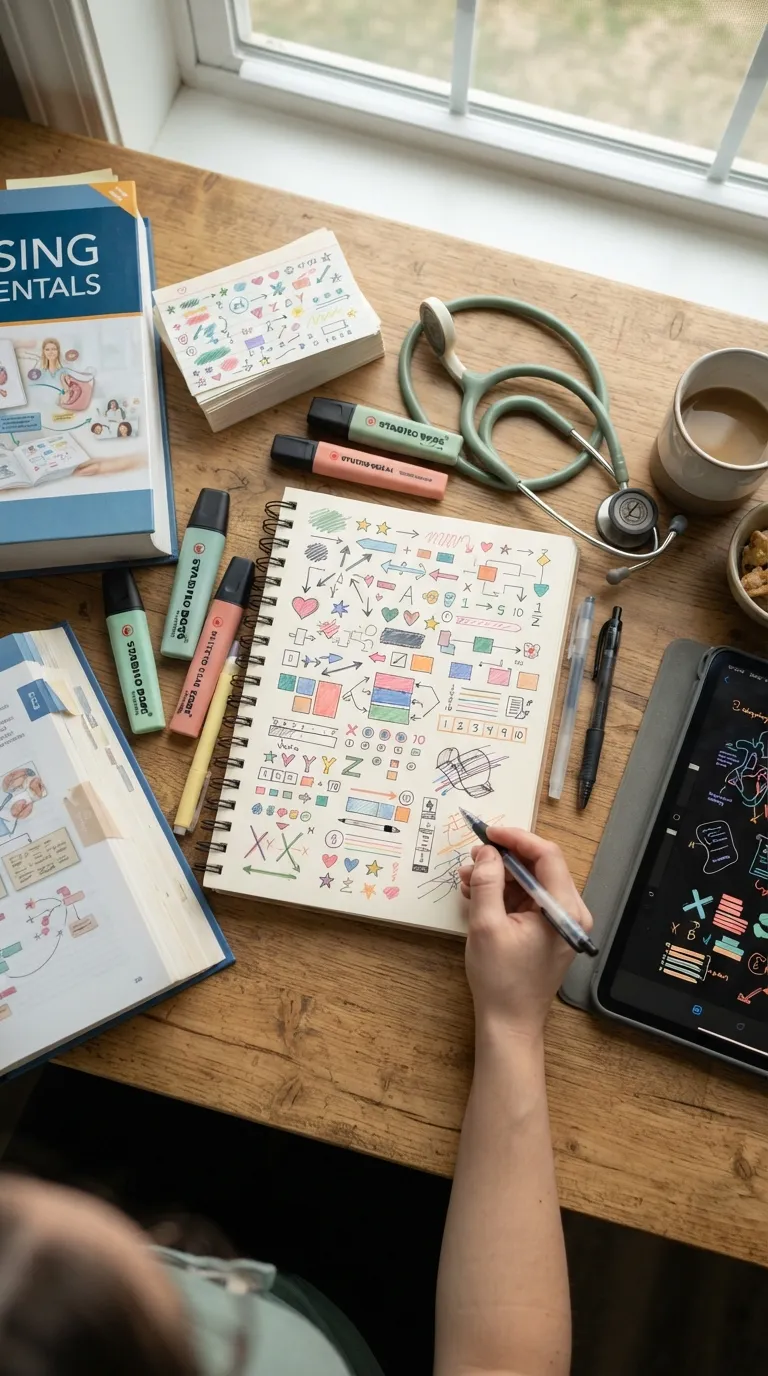
Personal mnemonics can be particularly memorable because you created the association yourself. Keep them meaningful enough that you can reconstruct the information rather than memorizing a random phrase without understanding its purpose.
Diagram-First Notes

Drawing first encourages you to think about how parts fit together. Even a rough sketch can reveal what you understand and which relationships still need clarification. You do not need artistic skills or complicated diagrams to make this technique useful; simple shapes, labels, and arrows are often enough.
After completing the sketch, compare it with your textbook or class notes and correct any missing details to strengthen your understanding and improve recall during nursing exams.
Lecture Cleanup Notes
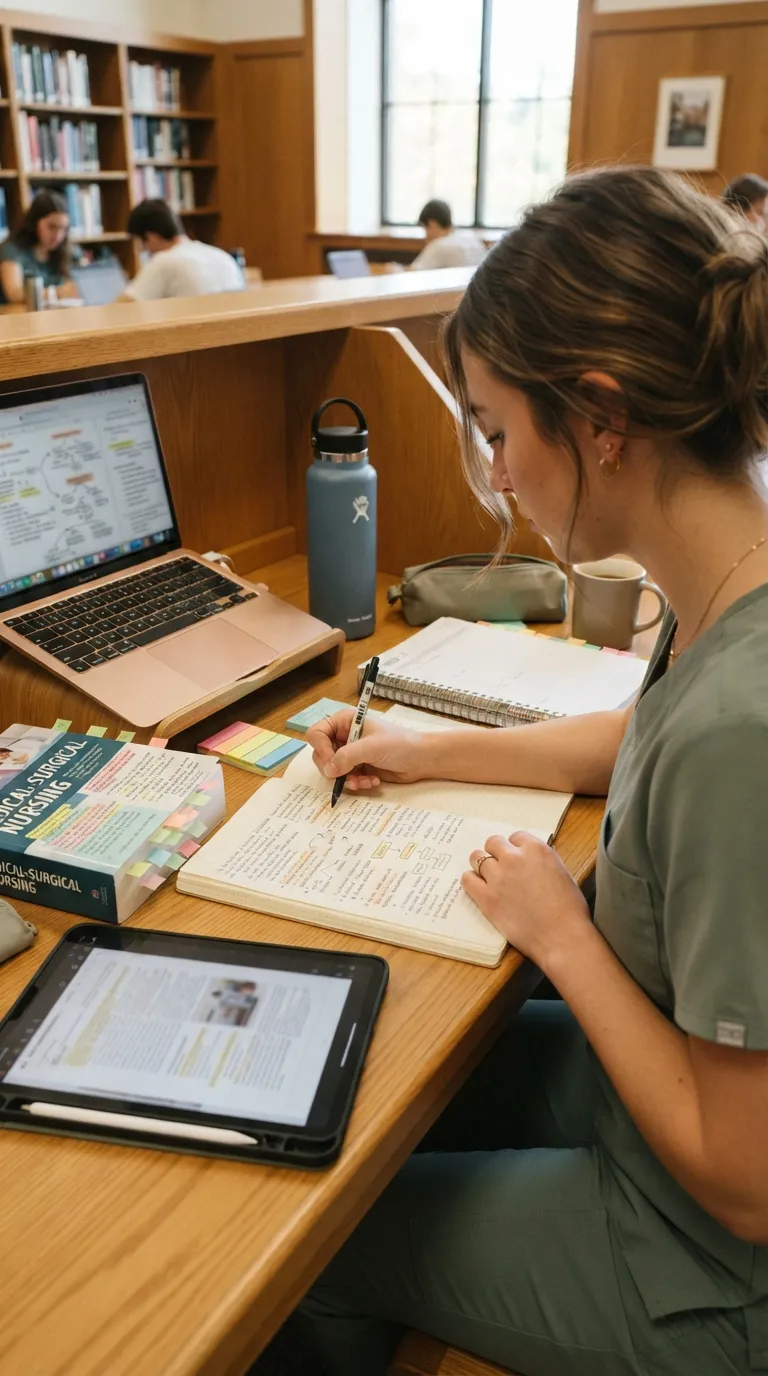
A brief cleanup session soon after class can prevent confusing shorthand from becoming permanent. It also gives you a chance to identify questions while the lecture is still fresh in your mind.
Error Log Notes
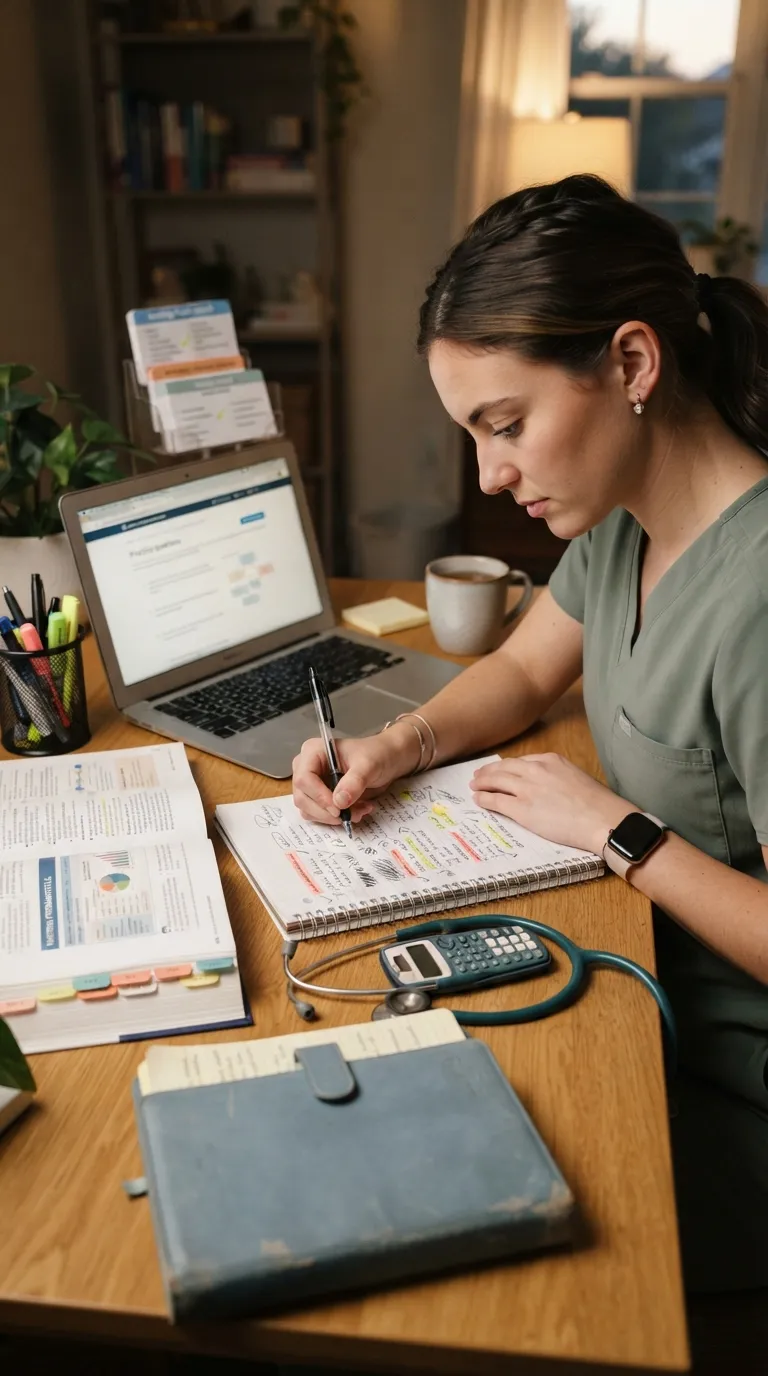
An error log is more useful than simply counting incorrect answers. The key is identifying the reason behind the mistake, such as misunderstanding a concept, missing a detail, or rushing through the question. Write down the correct answer, explain why your original response was incorrect, and note what you should look for next time.
Reviewing these patterns regularly can help you recognize recurring weaknesses, adjust your study strategy, and avoid repeating the same mistakes in future nursing exams.
Case Study Notes
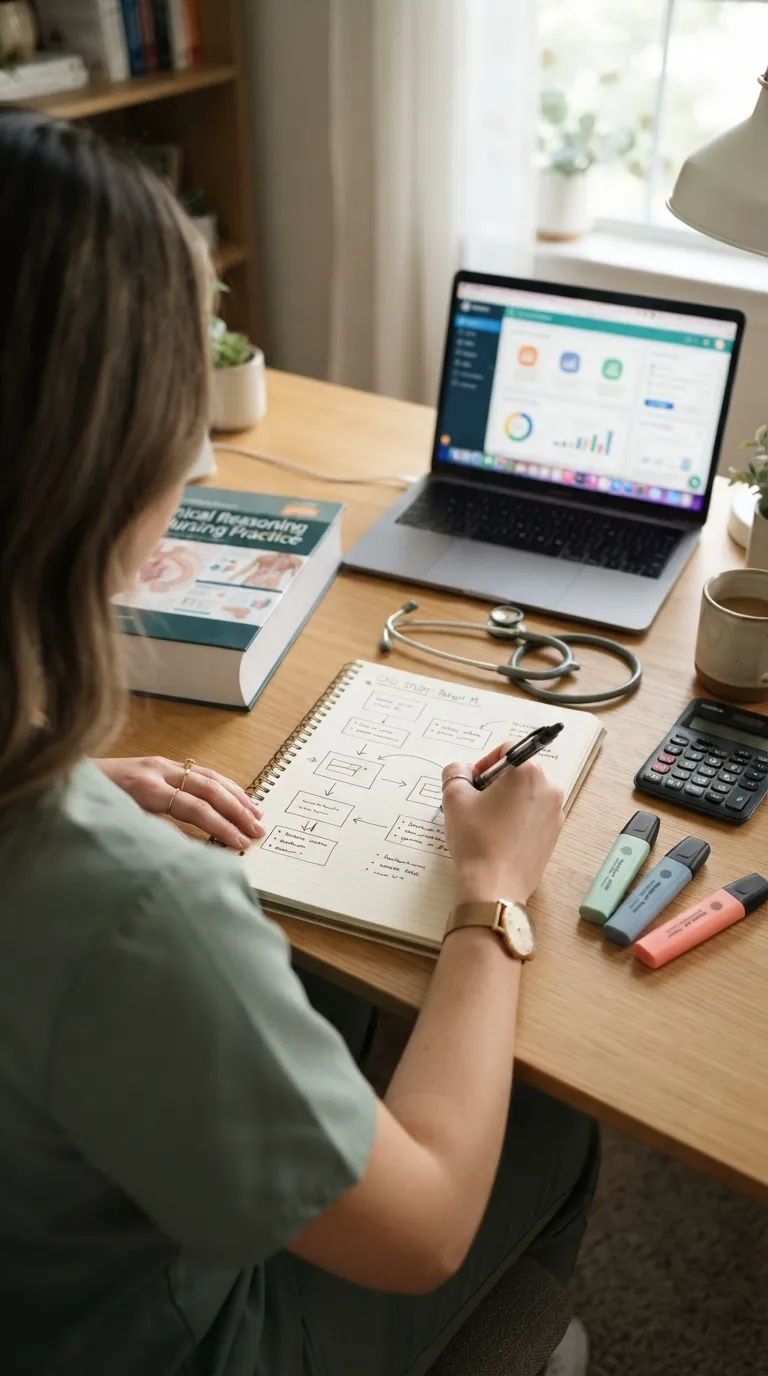
Case-based notes are valuable because they encourage you to connect assessment findings, clinical reasoning, and nursing priorities. Keep examples fictional or use only materials provided through your educational program.
Focus on why each nursing action is appropriate and how it supports patient safety. Reviewing these cases regularly can also help you recognize important clinical patterns and prepare for exam questions.
Lecture Question Log
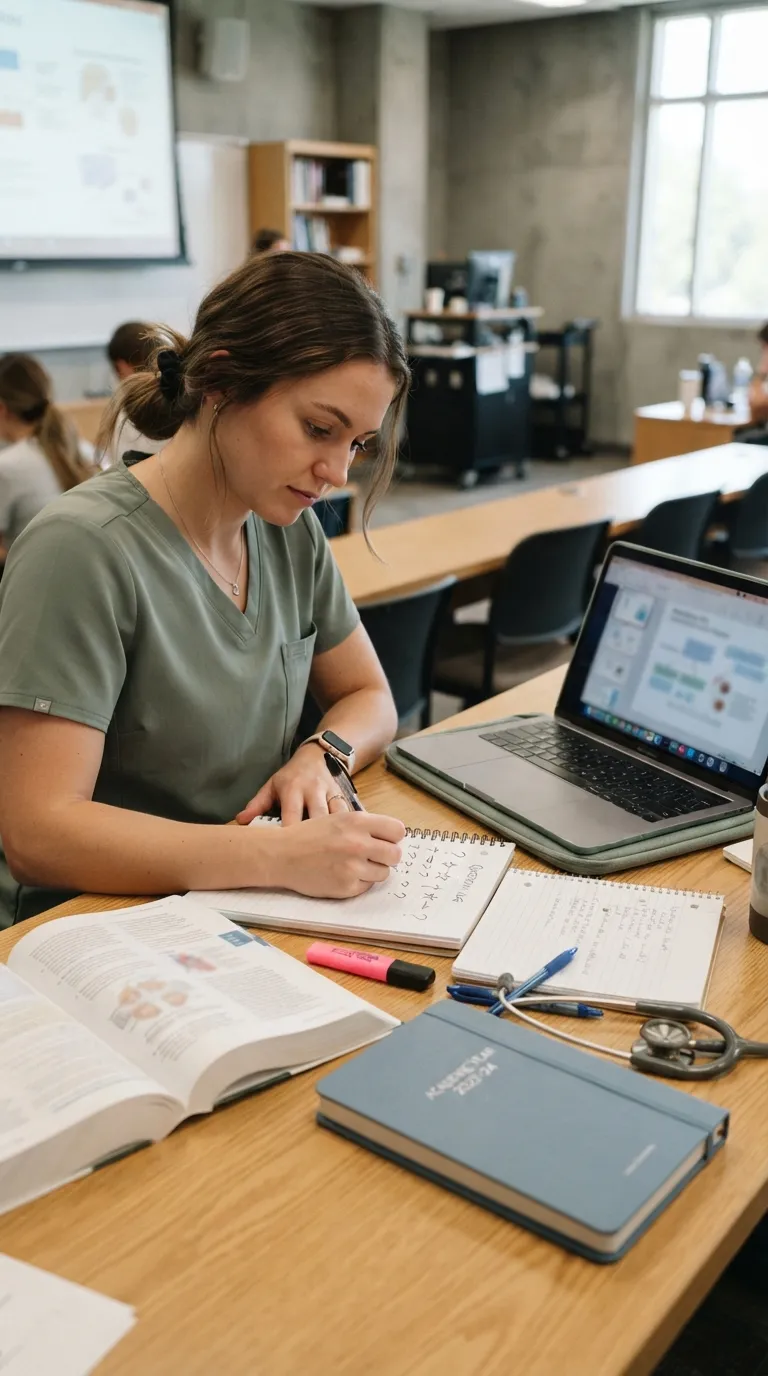
Questions are easier to solve when they are captured immediately. A question log also prevents you from repeatedly encountering the same confusing concept without taking a deliberate step toward clarification. Record the topic, what you find difficult, and any specific details you need to review later.
During your next study session, use textbooks, lecture notes, or reliable nursing resources to find the answer and write a brief explanation in your own words. This habit keeps your revision organized and helps you turn confusion into a clear learning goal.
Color Key System
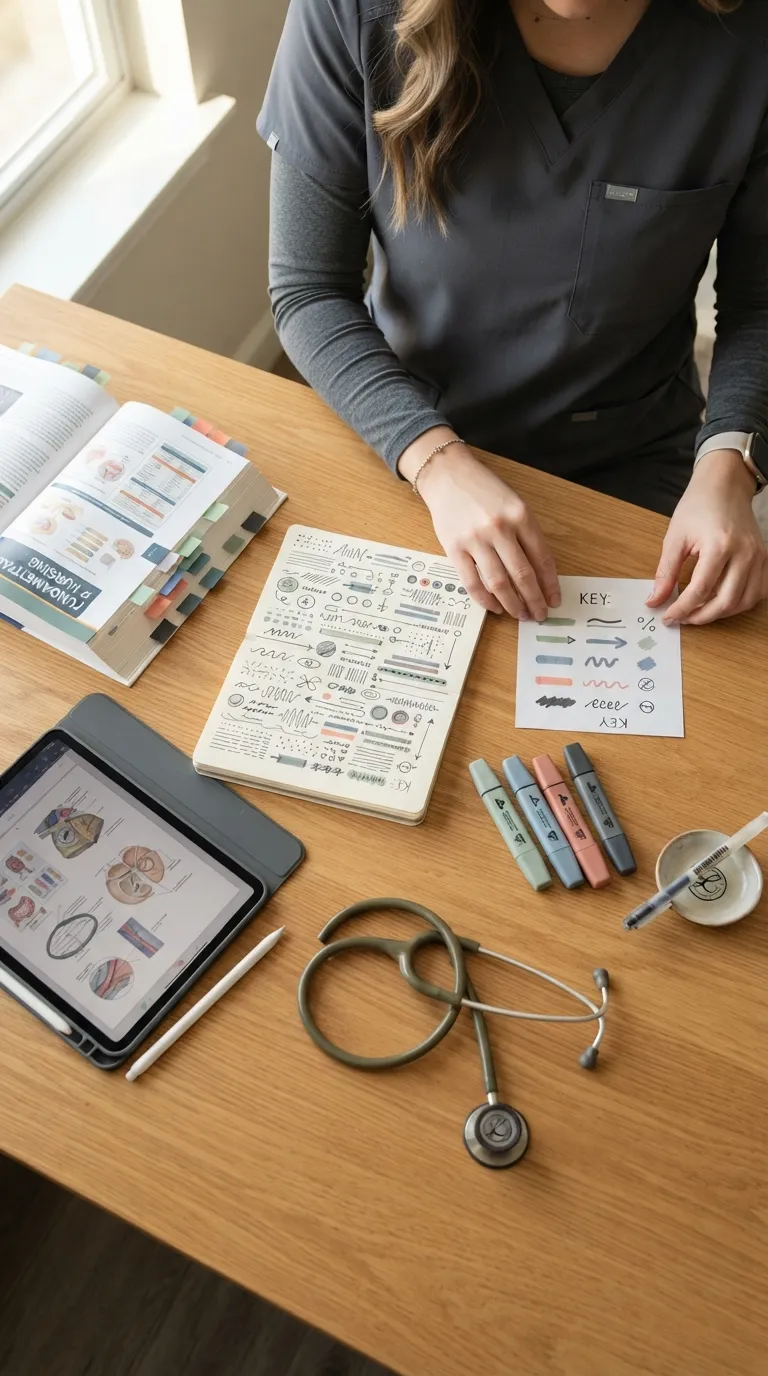
Color should communicate something specific. For example, one shade might identify definitions while another signals areas needing review. If every sentence receives a different color, the visual hierarchy quickly disappears.
Blank-Space Notes

Notes do not need to be completed in one sitting. Leaving space makes your system flexible and allows you to add instructor explanations or connections discovered during later study. You can also use these spaces to record practice questions, clarify confusing terms, or include examples that make difficult concepts easier to understand.
Revisiting and updating your notes regularly keeps them useful throughout the semester and helps you build a more complete study resource as your nursing knowledge develops.
Teach-Back Notes

If you cannot explain a topic in straightforward language, that can be a useful signal that you need another review. Teach-back notes transform passive reading into an opportunity to test your understanding.
Audio Review Notes

A short recording can be useful when you want to revisit your own explanation while walking or doing another low-focus activity. Keep important learning work connected to written or active-recall practice rather than relying exclusively on listening.
Sticky Summary Notes
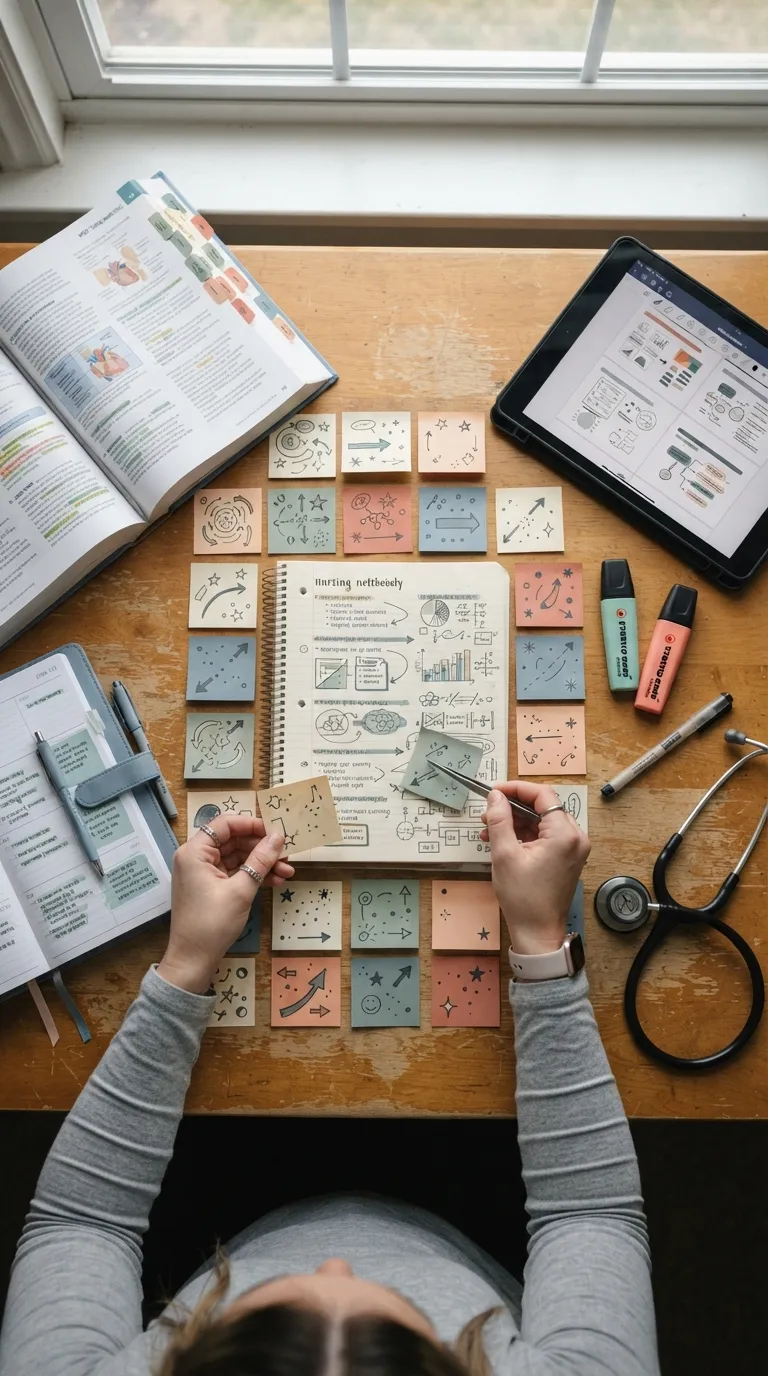
Tiny notes work well for short reminders but should not become miniature versions of entire textbook chapters. The strongest sticky note system keeps each note focused enough to review in seconds. Include one key concept, an important definition, a commonly confused term, or a quick memory cue on each note.
Use clear wording and remove unnecessary details so you can review the information quickly between study sessions without feeling overwhelmed by too much text.
Before-and-After Notes
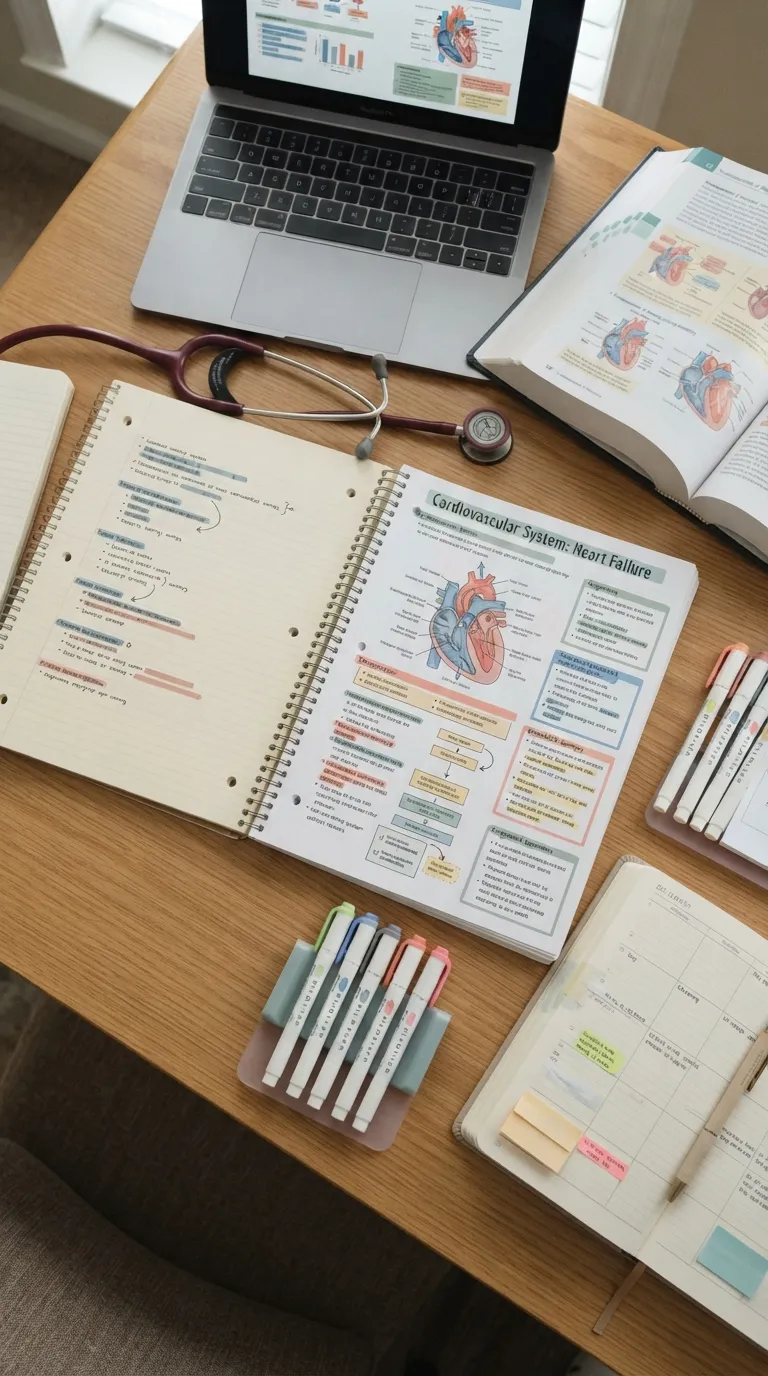
This method lets you see how your understanding develops. It can also reveal which concepts required the most clarification, giving you useful information about where future study time should go.
Memory Dump Pages

The important part is resisting the urge to look at your notes immediately. Once your memory dump is complete, compare it with your resources and identify exactly what was missing or inaccurate. Highlight the gaps and spend a few minutes reviewing those specific areas before testing yourself again.
This process helps you distinguish between information you genuinely understand and details you only recognize when reading, making your study sessions more focused and effective.
Weekly Review Pages
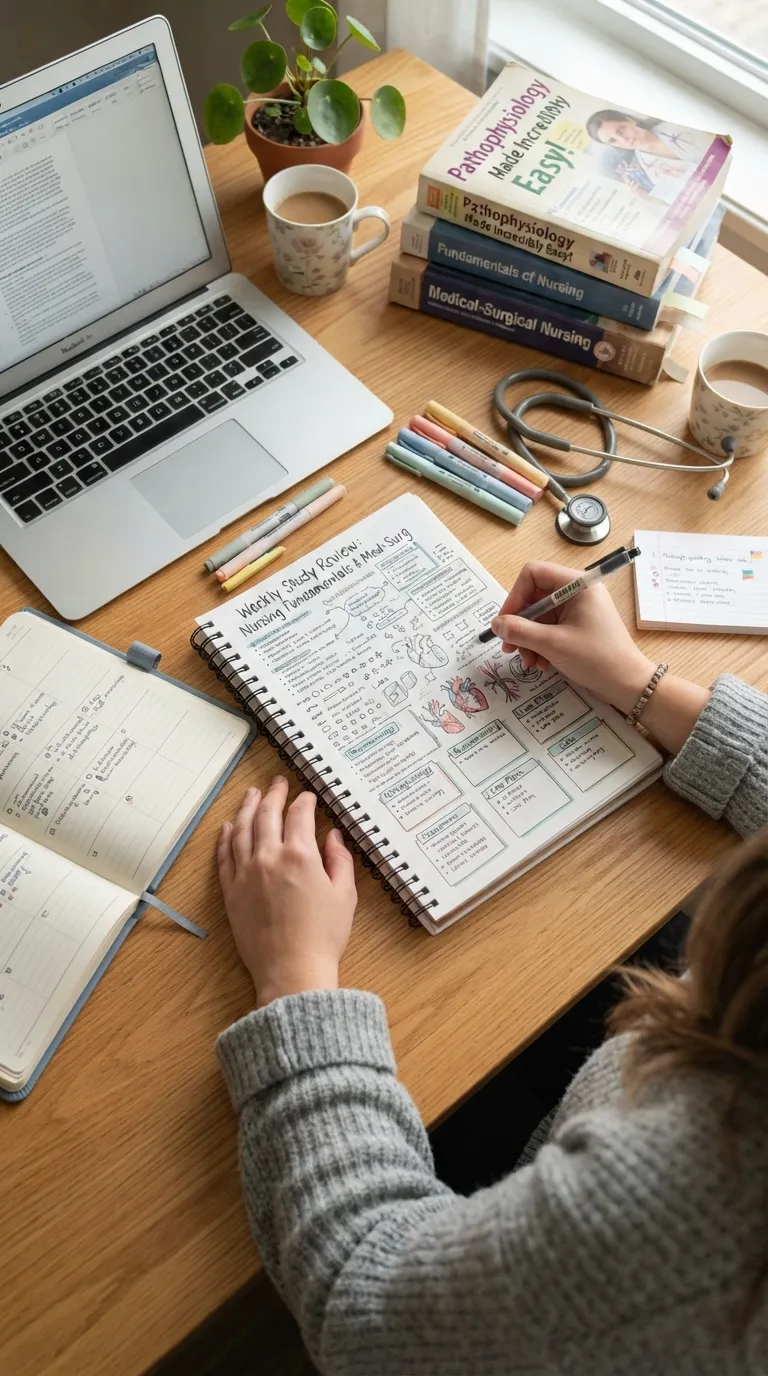
A weekly review prevents older material from disappearing as soon as a new chapter begins. Keep the page concise so it remains useful rather than becoming another large notebook to maintain.
Exam Review Grid
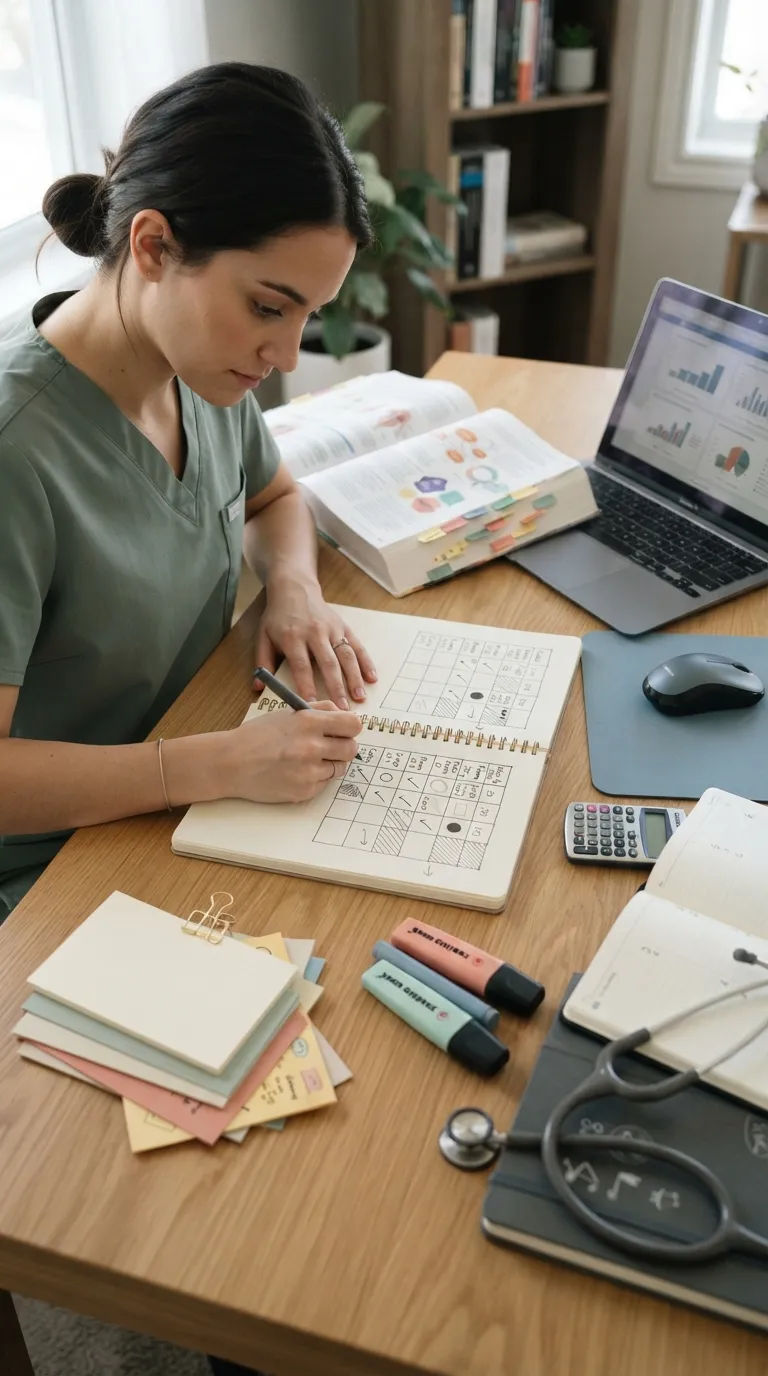
An exam grid helps turn vague anxiety into specific tasks. Instead of writing “study everything,” identify the areas that need attention and assign your next review session to the weakest ones. You can organize topics by difficulty, confidence level, or how frequently they appear in practice questions.
Update the grid as you improve so you can track your progress, manage your study time more effectively, and approach nursing exams with a clearer and more organized revision plan.
Bringing It All Together
Good nursing notes are not necessarily the prettiest or longest pages. The most useful notes are the ones that help you understand information, recognize connections, identify mistakes, and retrieve important concepts when you need them. Try a few of these Nursing Notes Ideas instead of changing your entire system at once. A concept map may work beautifully for one topic, while a memory dump, comparison chart, or teach-back page may work better for another. The goal is to create notes that actively support learning rather than simply documenting everything you read or hear.