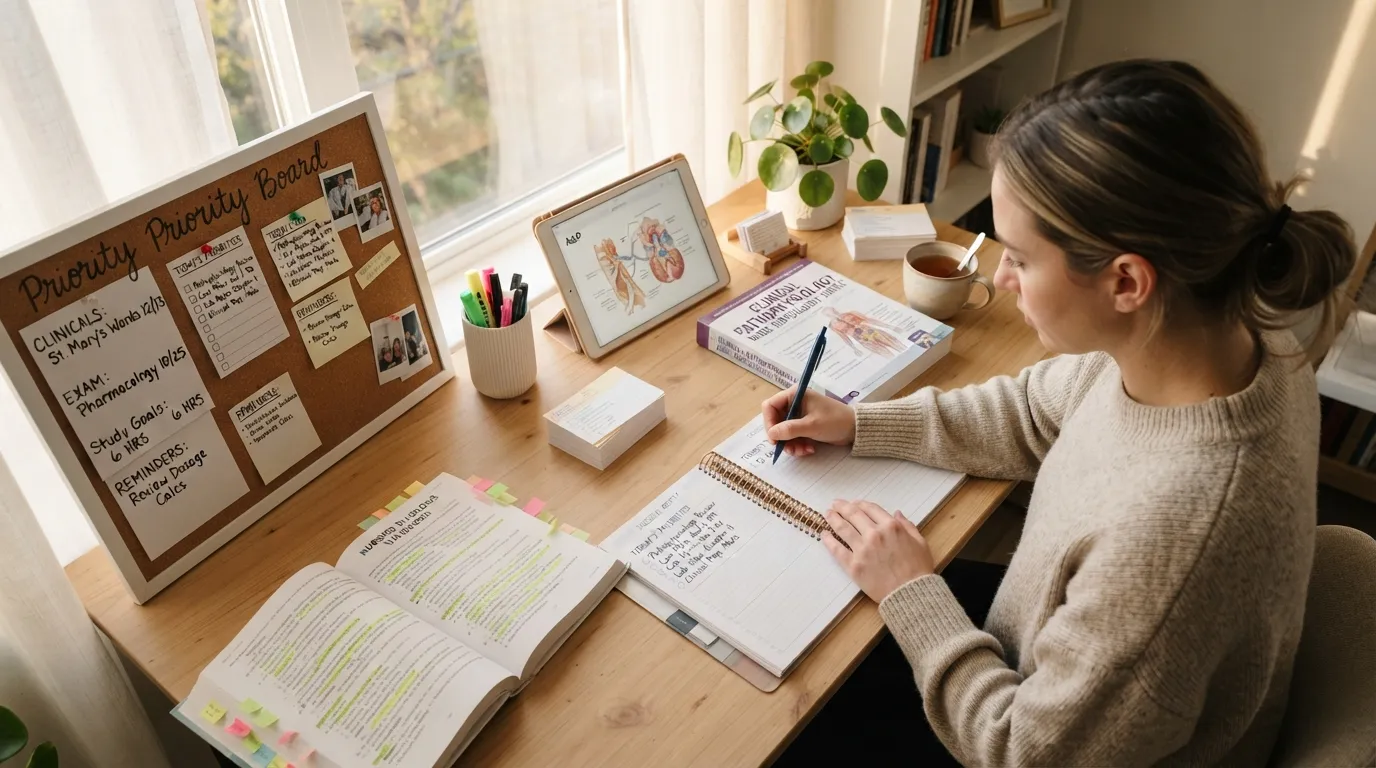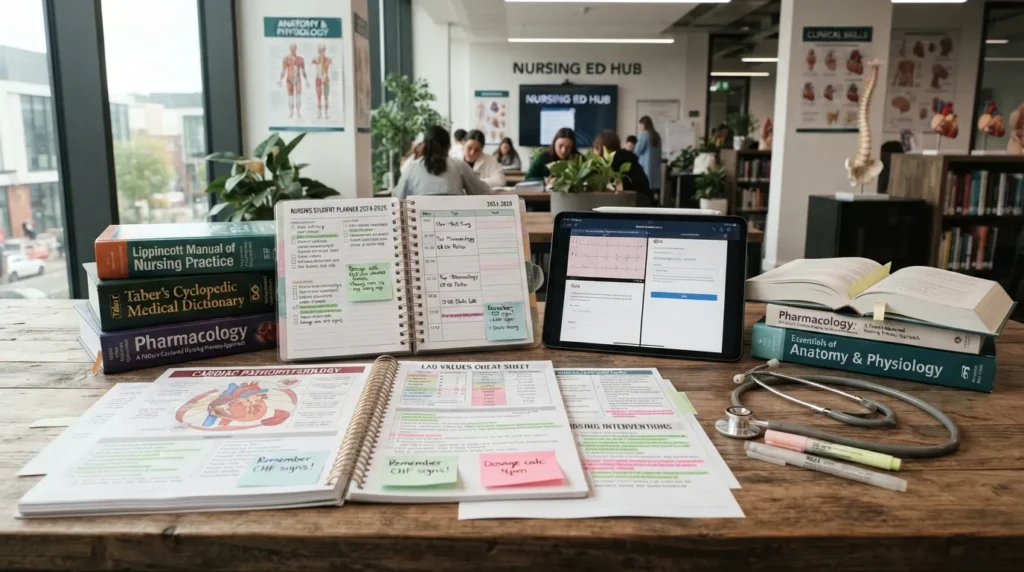

This Nursing Study Guide shares practical resources and organization ideas to help nursing students study smarter and prepare with confidence. Learn how to create useful guides for clinical skills, nursing concepts, assessments, and everyday coursework. From organizing medical terminology to reviewing patient safety principles, these ideas can help make difficult subjects easier to understand.
A personalized study system also saves time, improves revision habits, and helps students identify topics that need extra attention. Explore these effective ideas to build a study guide that supports your learning throughout nursing school.
Clinical Skill Checklists
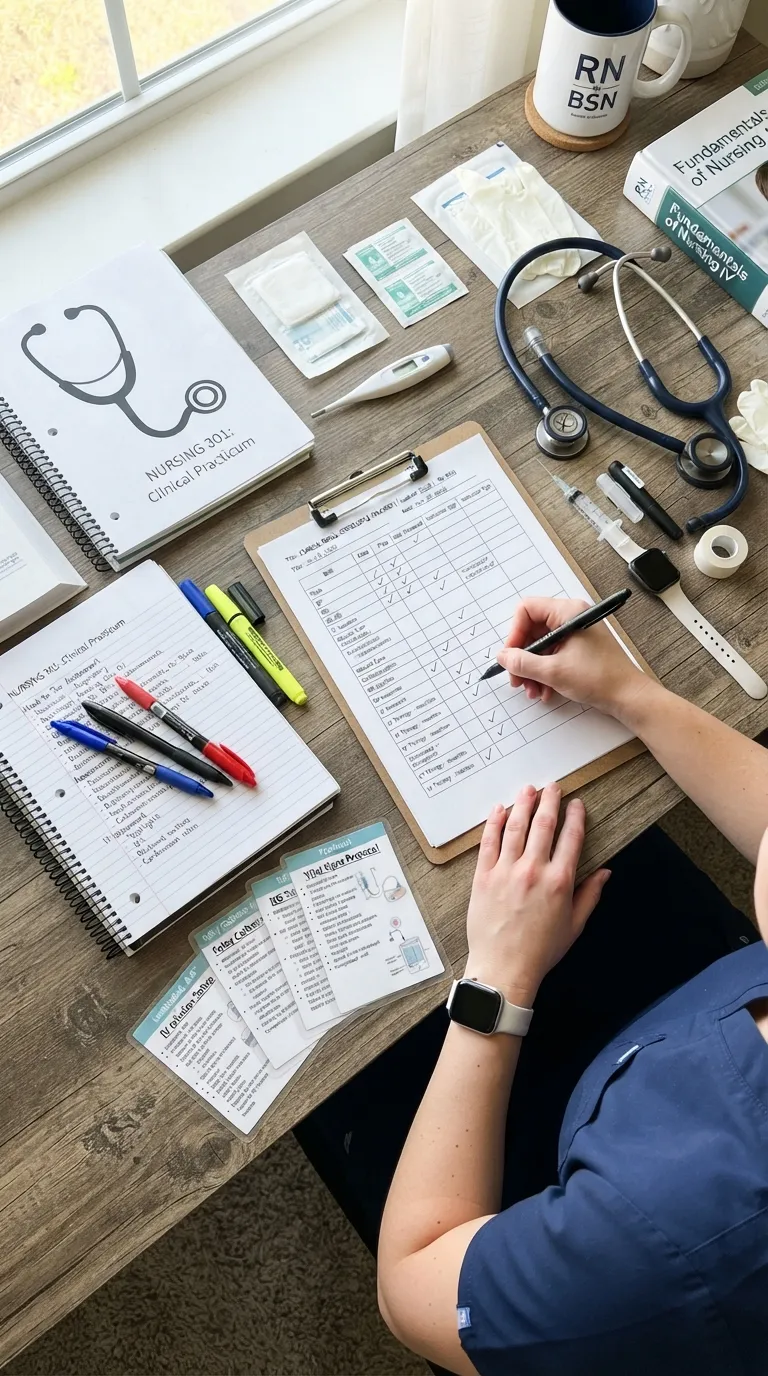
A useful clinical checklist turns hands-on learning into a structured process. Nursing students can identify weak areas, prepare before rotations, and build confidence by seeing exactly which skills require more practice. Create a separate checklist for each skill, such as taking vital signs, performing hand hygiene, or preparing equipment. Include the main steps, safety precautions, and common mistakes to avoid. Use your school’s approved skills guidelines to keep the information accurate and relevant.
- List the required equipment and preparation steps.
- Mark skills that need additional practice.
- Review instructor feedback before your next check-off.
Assessment Flow Guides
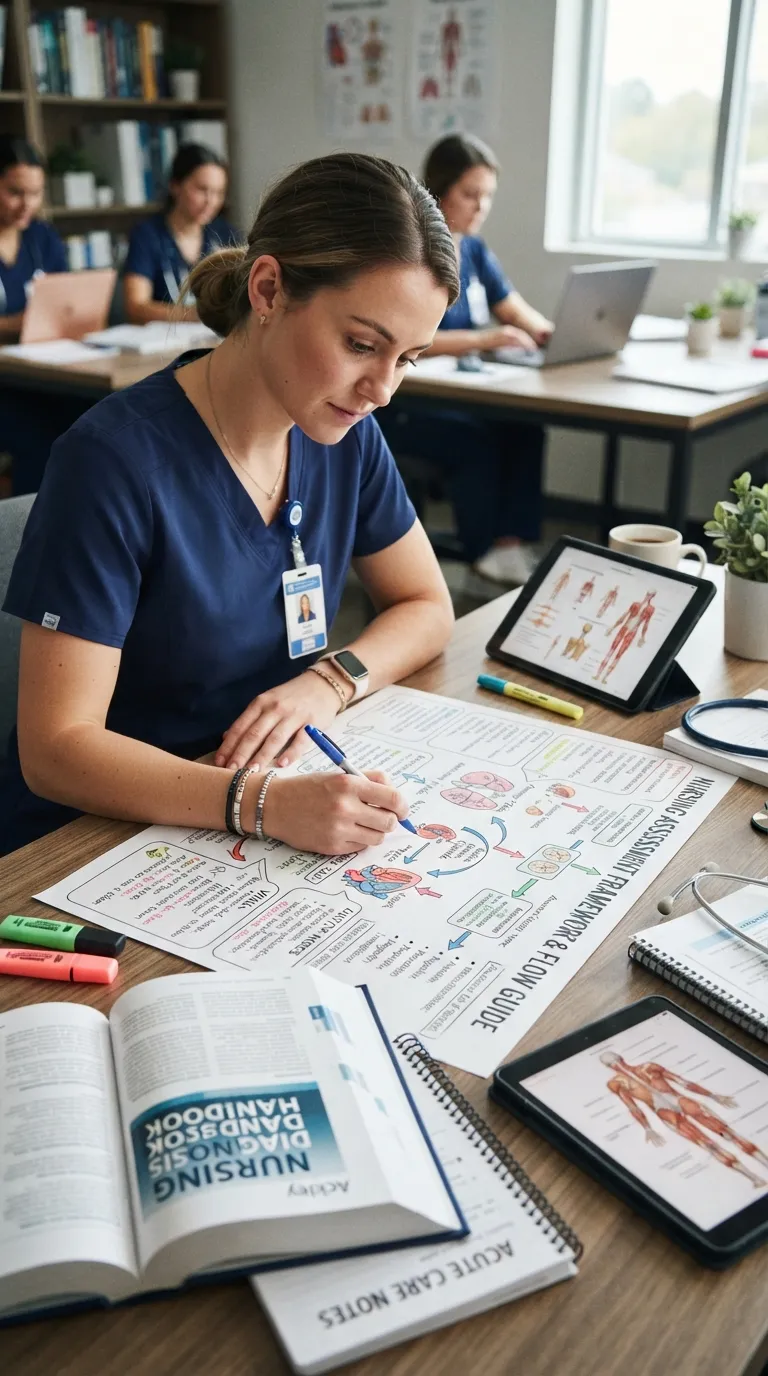
Assessment guides help students develop a repeatable approach when caring for patients. A clear sequence makes it easier to organize information, recognize changes, and communicate findings effectively. You can create separate guides for respiratory, cardiovascular, neurological, and abdominal assessments.
Include key observations, relevant questions, and documentation reminders. These guides are especially helpful when learning how to move from collecting information to identifying findings that require further attention.
Nursing Terminology Lists

Medical language becomes easier when students organize it into meaningful categories. A personalized terminology list helps connect words with real patient situations instead of treating vocabulary as isolated information.
Group terms by body system, disease process, medication category, or clinical procedure. Add a simple definition and a short example to make each term easier to remember. Reviewing a small group of words daily can be more manageable than memorizing a long list before an exam.
Patient Care Templates
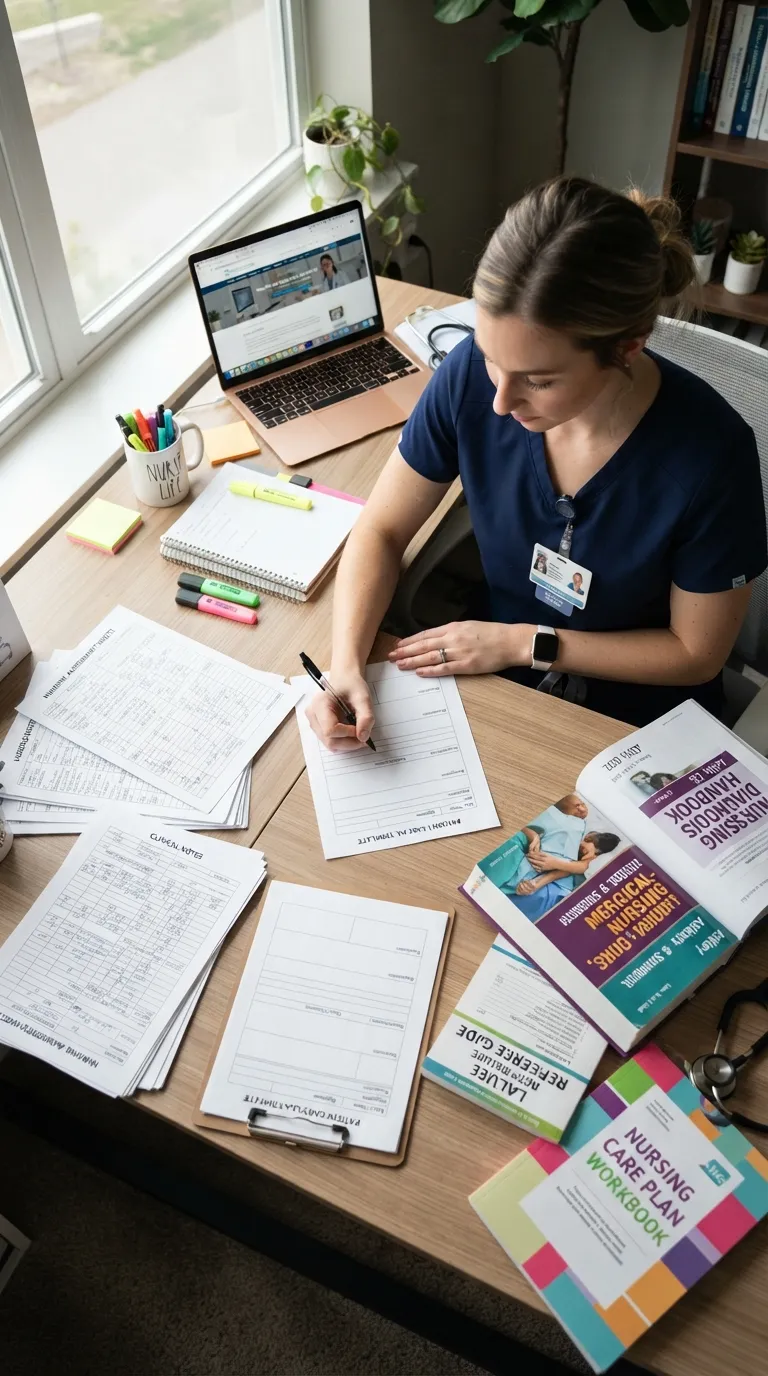
Patient care templates help nursing students organize their thoughts during complex situations. A structured format makes it easier to connect assessments, interventions, and outcomes while developing stronger clinical reasoning skills.
You might organize your template around patient concerns, assessment findings, nursing priorities, planned interventions, and evaluation. Use fictional or appropriately de-identified examples when practicing documentation, and always follow your school’s privacy and documentation policies.
Nursing Concept Summaries

Strong summaries help students understand connections between large amounts of information. Instead of memorizing disconnected facts, nursing students can explore how different concepts work together in patient care.
Create a one-page summary for each major topic, such as diabetes, infection prevention, or fluid balance. Include definitions, important symptoms, risk factors, nursing considerations, and key patient education points. Keep the language simple enough to review quickly without losing important details.
Procedure Preparation Sheets
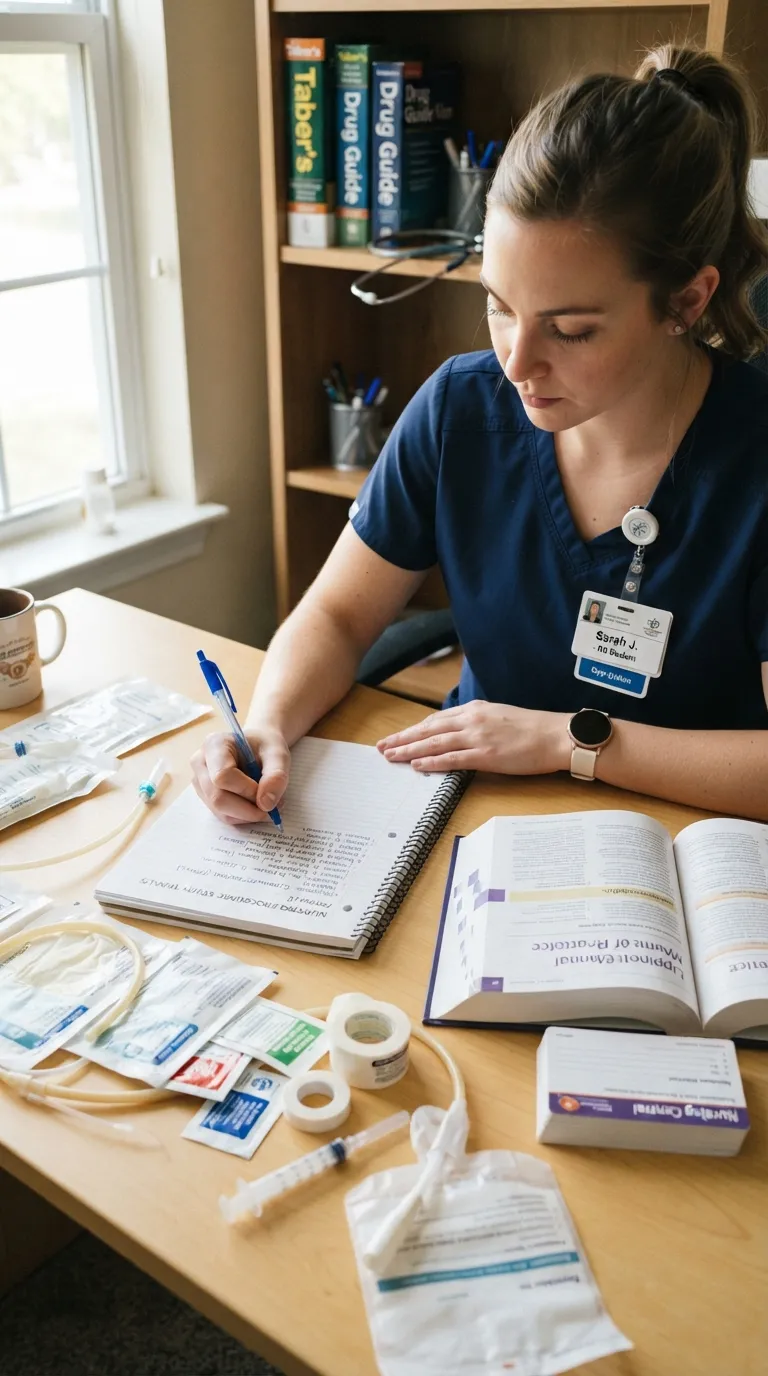
Procedure sheets make practical skills easier to review because they turn complicated tasks into manageable steps. They are especially useful before demonstrations, check-offs, and clinical practice sessions. Organize each sheet into preparation, equipment, procedure sequence, safety considerations, and aftercare.
Use your instructor’s approved procedure guidelines rather than relying on memory alone. A short review before practice can help you recognize which steps require additional attention.
Nursing Report Examples

Clear reporting is an essential nursing skill that supports patient communication and teamwork. Reviewing strong examples helps students understand how to organize important information in a professional and efficient way.
Study formats such as SBAR, which stands for Situation, Background, Assessment, and Recommendation. Practice presenting a fictional patient scenario in a logical order, focusing on relevant findings rather than unnecessary details. Ask instructors for feedback on clarity, accuracy, and organization.
Anatomy Reference Pages
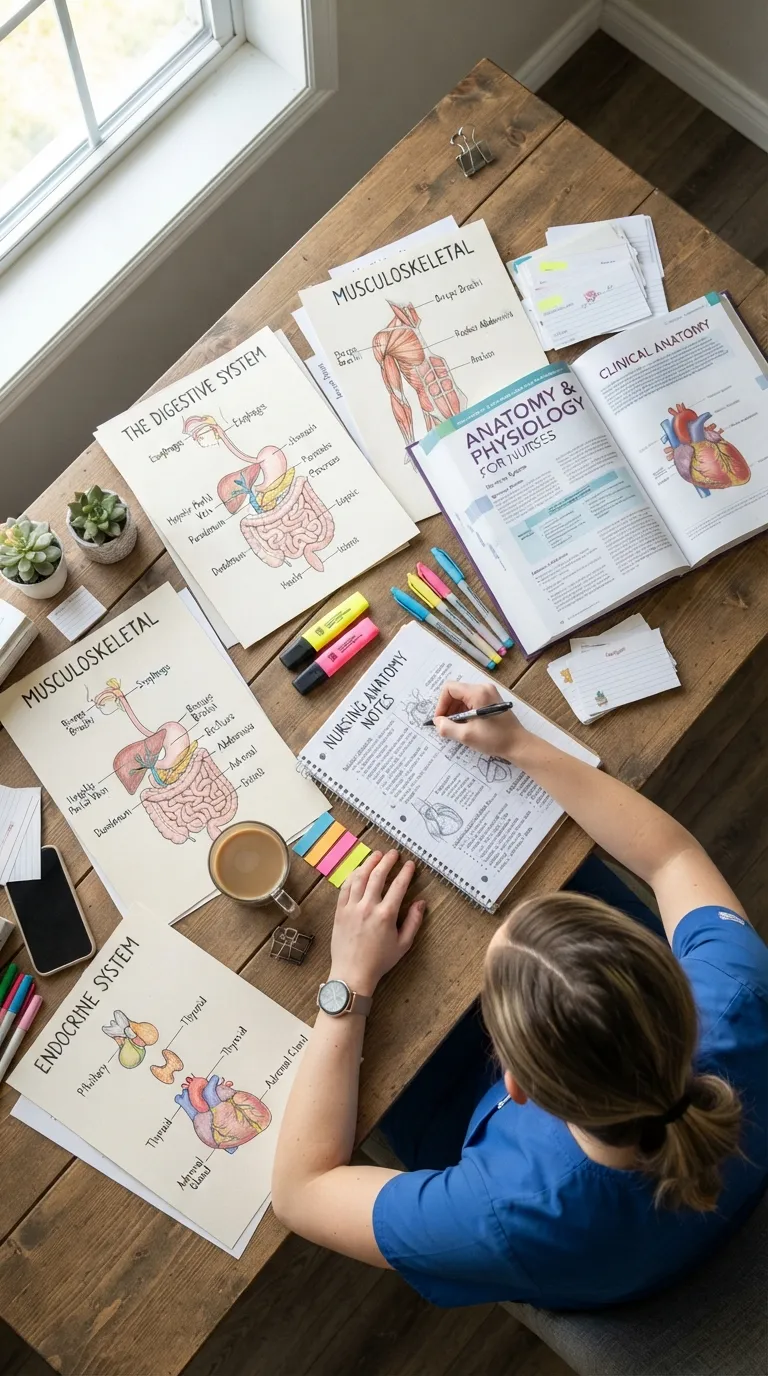
Anatomy becomes easier when students can visualize structures instead of only reading descriptions. Reference pages create a quick connection between body systems, assessments, and clinical observations. Use labeled diagrams, short explanations, and color-coded sections to organize the material.
For example, a respiratory system page could include the major structures, their functions, and connections to breathing assessments. Keep diagrams simple so that important information remains easy to locate during revision.
Nursing Math Worksheets
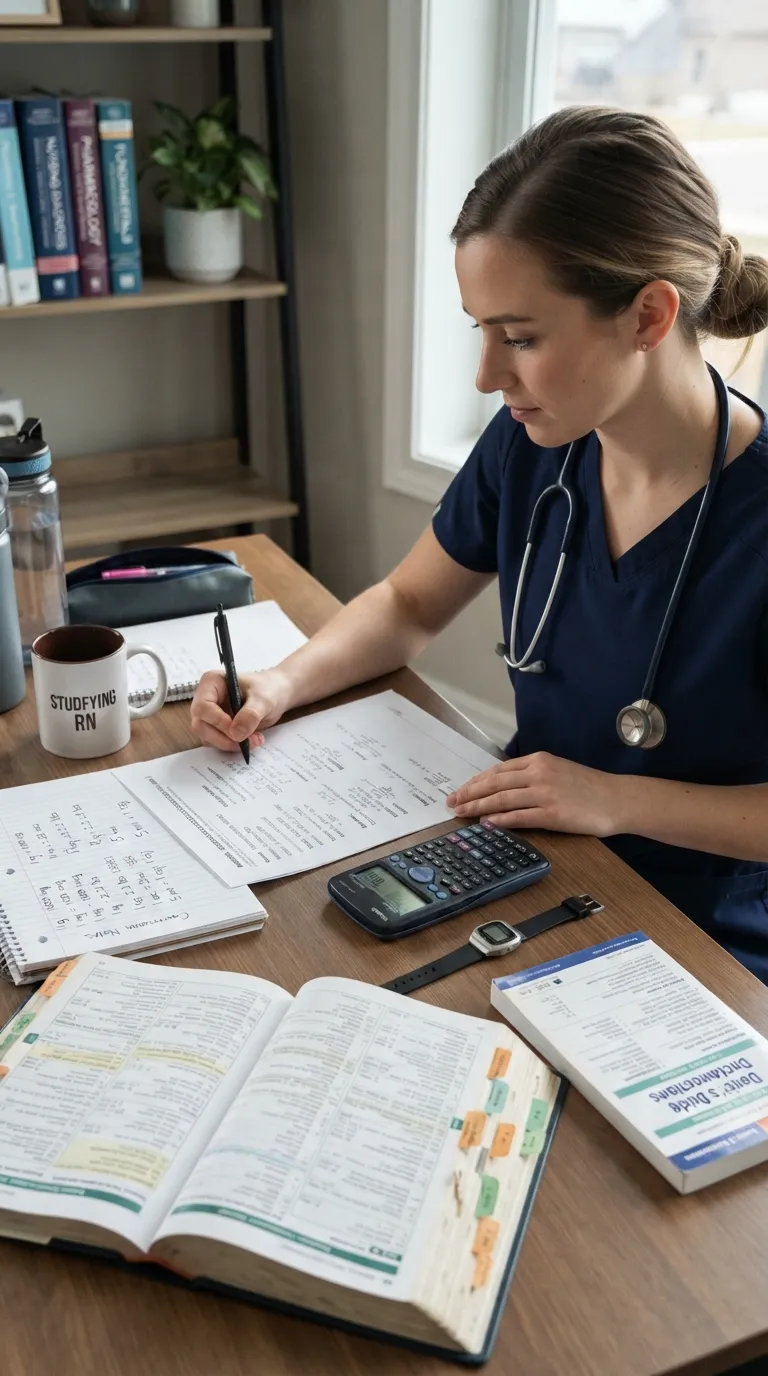
Calculation worksheets provide repeated practice that builds confidence over time. Instead of avoiding difficult math topics, students can use structured practice pages to improve accuracy and reduce hesitation. Include practice questions involving unit conversions, dosage calculations, and intravenous flow rates when these topics are part of your coursework. Show every calculation step and check the units before confirming an answer.
- Practice a few questions consistently rather than cramming.
- Write down incorrect answers and identify the reason.
- Verify calculations using instructor-approved methods.
Always follow institutional policies and required independent checks for real clinical medication calculations.
Emergency Response Guides
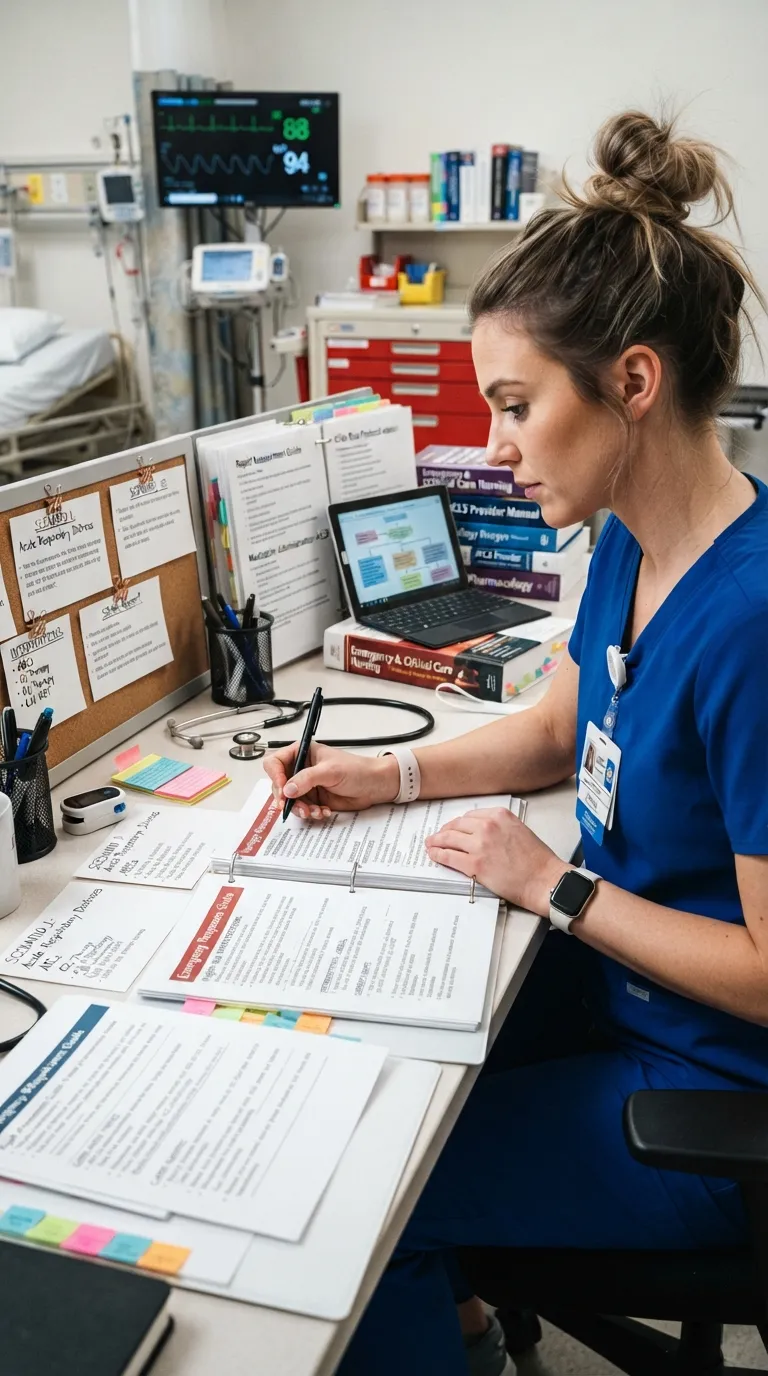
Emergency situations require organized thinking under pressure. A well-made response guide helps nursing students remember priorities and understand how different actions connect during urgent patient care situations. Create study sheets for recognizing deterioration, activating the appropriate response system, and understanding basic emergency priorities.
Keep these materials aligned with current course guidance and approved clinical protocols. Study guides support learning but never replace formal training, supervision, or facility procedures during an actual emergency.
Lab Value References

Lab values become more meaningful when students understand what they indicate about a patient’s condition. Organized references help connect numbers with clinical reasoning instead of treating them as isolated facts.
Create a table with the test name, purpose, reference range, and relevant clinical considerations. Remember that reference ranges can vary by laboratory, patient population, and clinical context. Focus on understanding why a result matters rather than memorizing numbers without context.
Communication Skill Notes
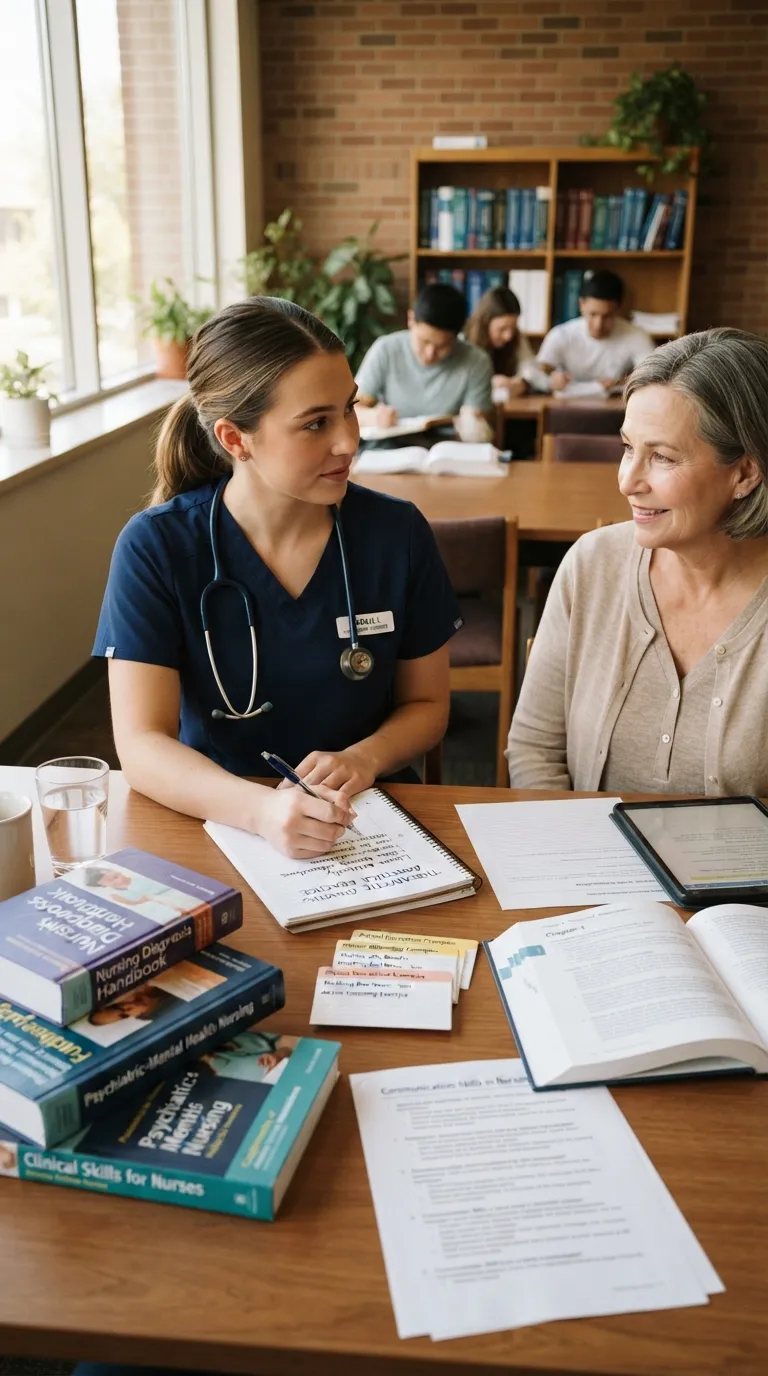
Communication guides remind students that nursing involves more than clinical knowledge. Strong patient interactions require confidence, empathy, and the ability to explain information clearly in different situations. Make notes about therapeutic communication, active listening, patient education, and respectful responses to concerns.
Include example phrases that demonstrate empathy without making promises or dismissing a patient’s feelings. Practice explaining a health concept in plain language to strengthen your communication skills.
Patient Safety Notes
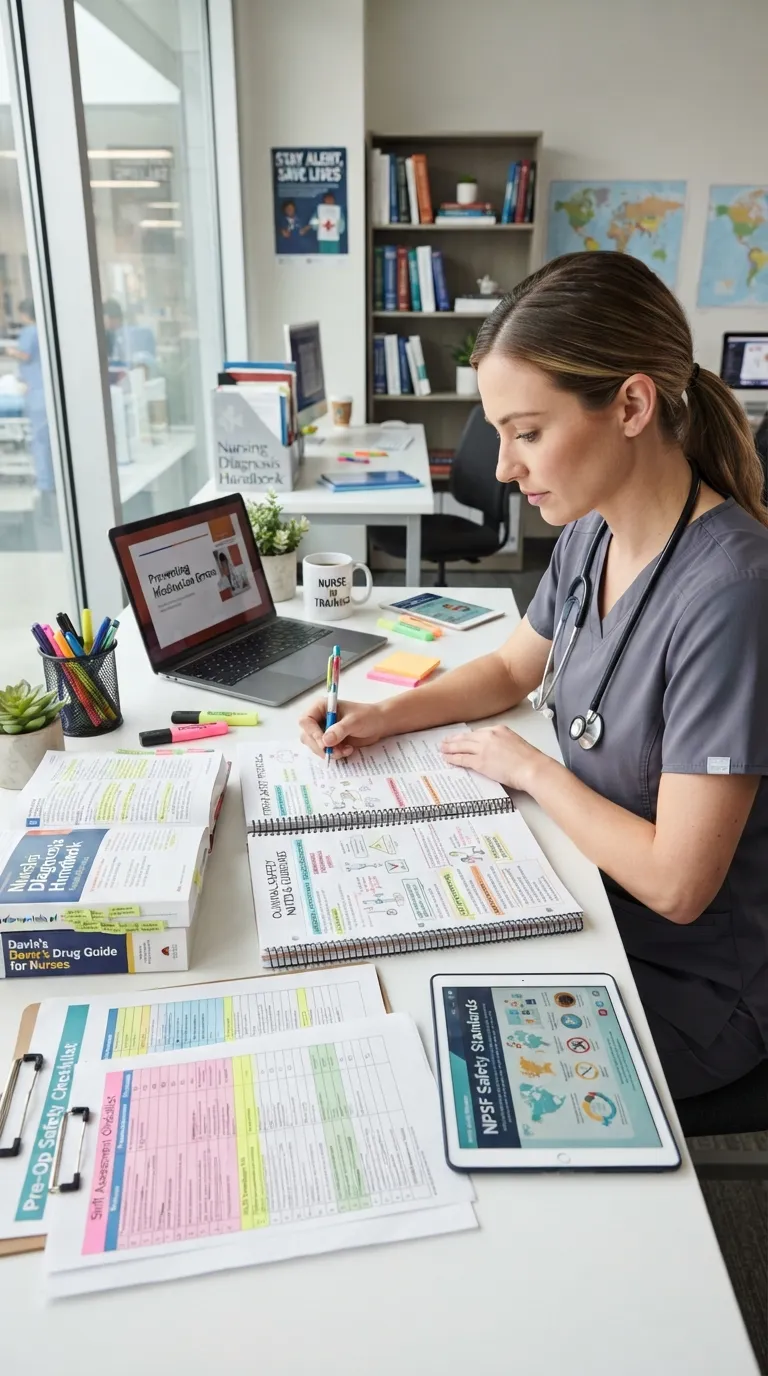
Patient safety knowledge forms the foundation of quality nursing care. Creating focused notes helps students remember important precautions and develop habits that support safer clinical decisions. Divide your notes into topics such as infection prevention, patient identification, fall prevention, safe medication practices, and accurate documentation.
Include brief scenarios that show how a safety principle applies in practice. Review your course materials regularly and update your notes when your instructor introduces new guidance.
Clinical Rotation Planner
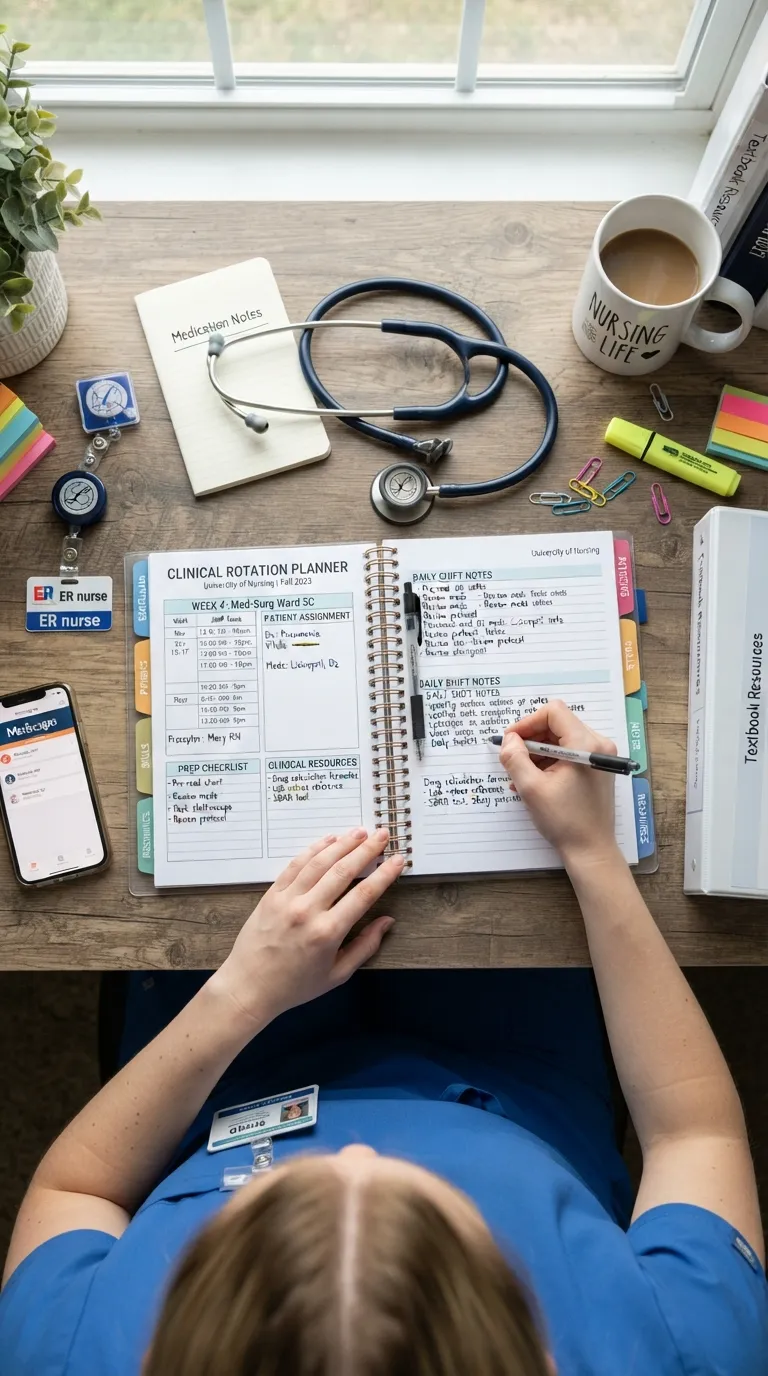
Clinical rotations become less stressful when students prepare with a clear plan. A rotation planner helps manage responsibilities while encouraging reflection on skills, experiences, and areas for improvement. Record your learning objectives, preparation tasks, questions for your instructor, and reflections after each clinical day. Avoid recording identifying patient information in a personal planner.
Useful planner sections include:
- Learning goals for the upcoming rotation.
- Skills to observe or practice under supervision.
- Questions and topics to review afterward.
Study Resource Index
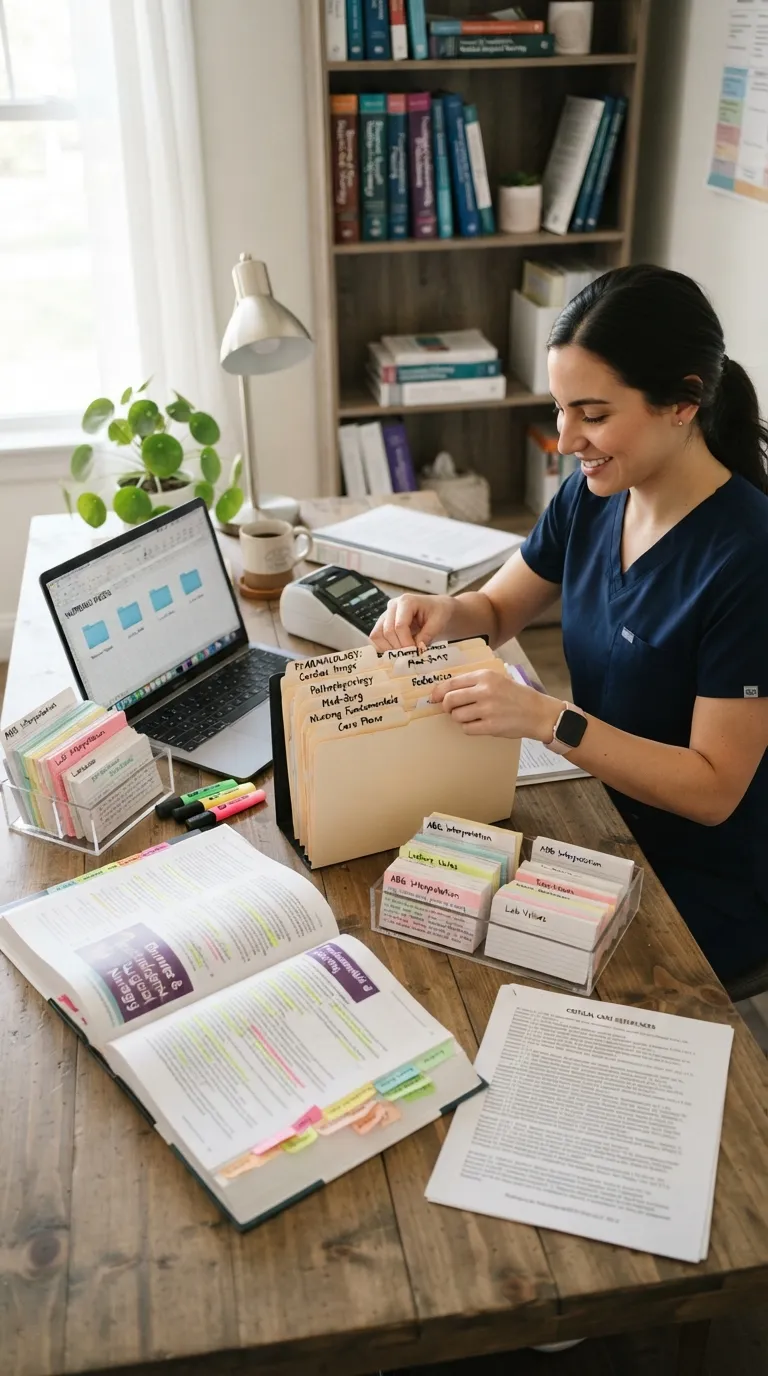
A resource index saves time during busy nursing semesters. Instead of searching through countless materials, students can quickly locate trusted information when reviewing topics or preparing assignments. Create a master list of textbooks, lecture notes, approved clinical references, and reliable educational websites.
Organize each resource by subject and include page numbers or links when helpful. Check that online information comes from credible sources and matches your course requirements.
Nursing Skill Summaries
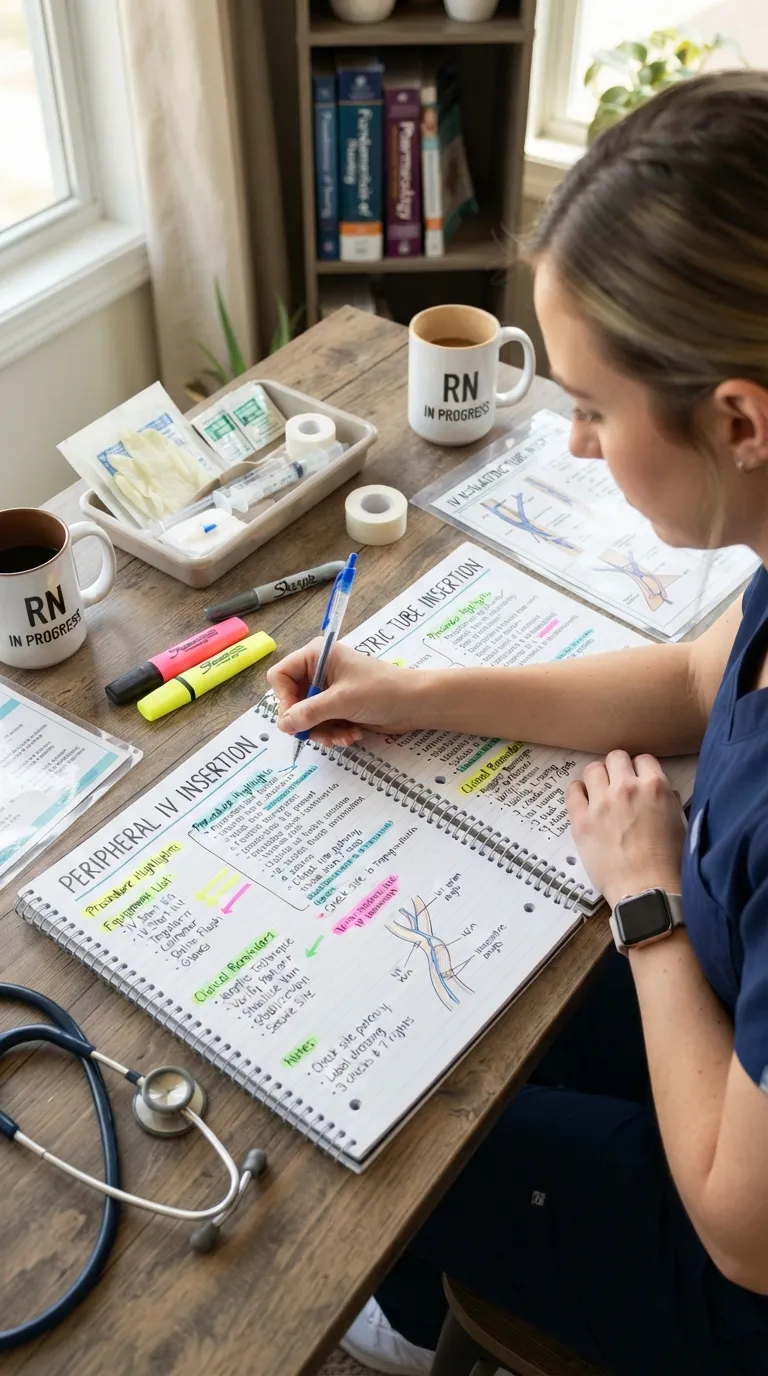
Skill summaries turn complicated procedures into quick review tools. They help students focus on important steps and remember practical details before performing skills in labs or clinical settings. Keep each summary concise and organize it around the purpose of the skill, preparation, key steps, safety considerations, and evaluation.
Use these summaries for revision after reviewing the complete procedure. This approach helps you revisit essential information without repeatedly searching through lengthy notes.
Nursing Ethics Notes

Ethics topics require more than memorizing rules because they involve judgment and patient-centered thinking. Organized notes help students understand how professional responsibilities apply in real situations. Focus on principles such as autonomy, beneficence, nonmaleficence, justice, confidentiality, and informed consent.
Add short case scenarios and consider the responsibilities involved in each situation. Reviewing different perspectives can help you develop stronger ethical reasoning and prepare for case-based examination questions.
Nursing Career Maps
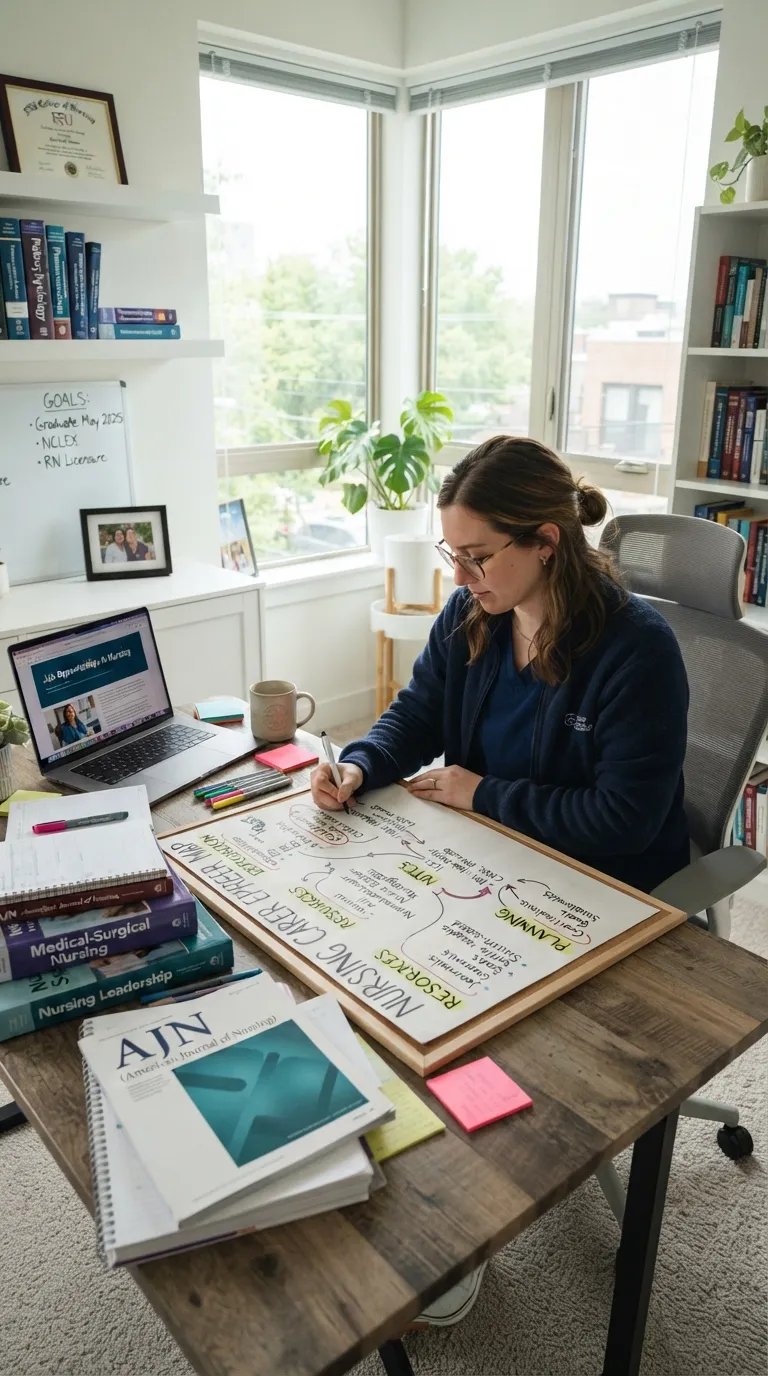
A career map connects daily studying with long-term goals. Understanding different nursing paths can help students stay motivated and recognize how current skills contribute to future opportunities. Create a visual plan showing your current education, expected milestones, areas of interest, and possible professional development opportunities.
You might explore community health, critical care, pediatrics, education, or other specialties. Treat the map as a flexible guide that can change as you gain experience and discover new interests.
Nursing Mistake Logs

Mistake logs turn errors into valuable learning opportunities. Instead of simply moving past incorrect answers, nursing students can identify weak areas and create a smarter plan for improvement. After a practice quiz, record the question topic, why your answer was incorrect, the concept you misunderstood, and what you will review next.
Avoid copying entire questions when that would violate course rules. Revisit the log weekly to see whether the same misunderstandings appear repeatedly.
Semester Review Maps
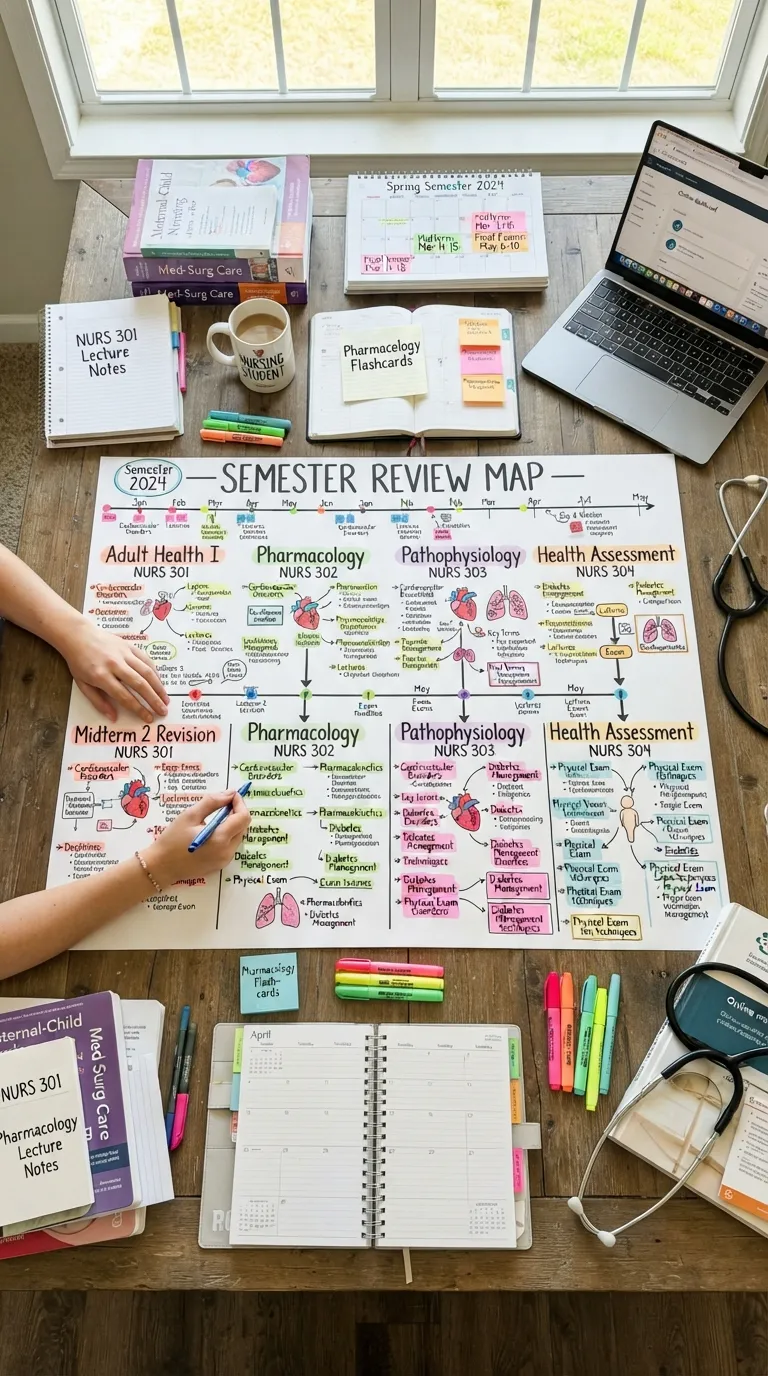
A semester review map gives nursing students a clearer view of their academic journey. Seeing how topics connect helps create better preparation strategies and prevents last-minute studying. Divide a page into major subjects, then connect related concepts using arrows, brief explanations, or examples.
For instance, anatomy knowledge may connect with assessment findings, disease processes, and nursing interventions. Use the map to identify gaps and plan focused revision sessions before examinations.
Personal Learning Cards
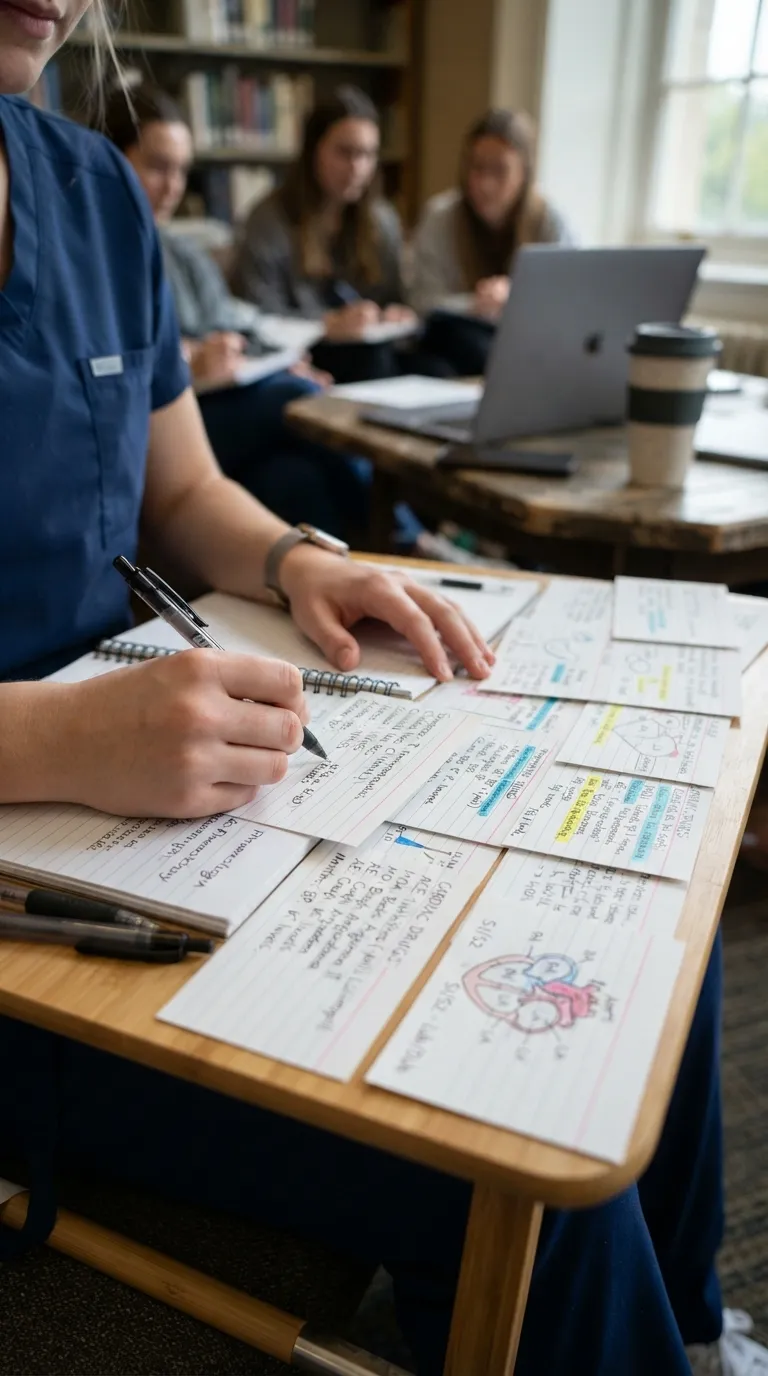
Personal learning cards make studying more adaptable because they focus on individual needs. Students can carry them easily and review challenging concepts during short moments throughout the day. Put a question, term, or concept on one side and a concise explanation on the other.
Use digital flashcards or physical index cards, depending on your preference. Separate cards into topics you know well and those that require more practice so your review time stays focused.
Nursing Reflection Pages

Reflection pages help nursing students understand their own growth beyond grades and exams. Writing down experiences creates a record of progress and encourages continuous improvement throughout their education.
After a study session or clinical experience, note what you learned, what challenged you, and what you want to improve. Keep reflections professional and avoid including confidential patient details. Over time, these entries can reveal progress, recurring difficulties, and areas where additional guidance would be helpful.
Final Study Binder
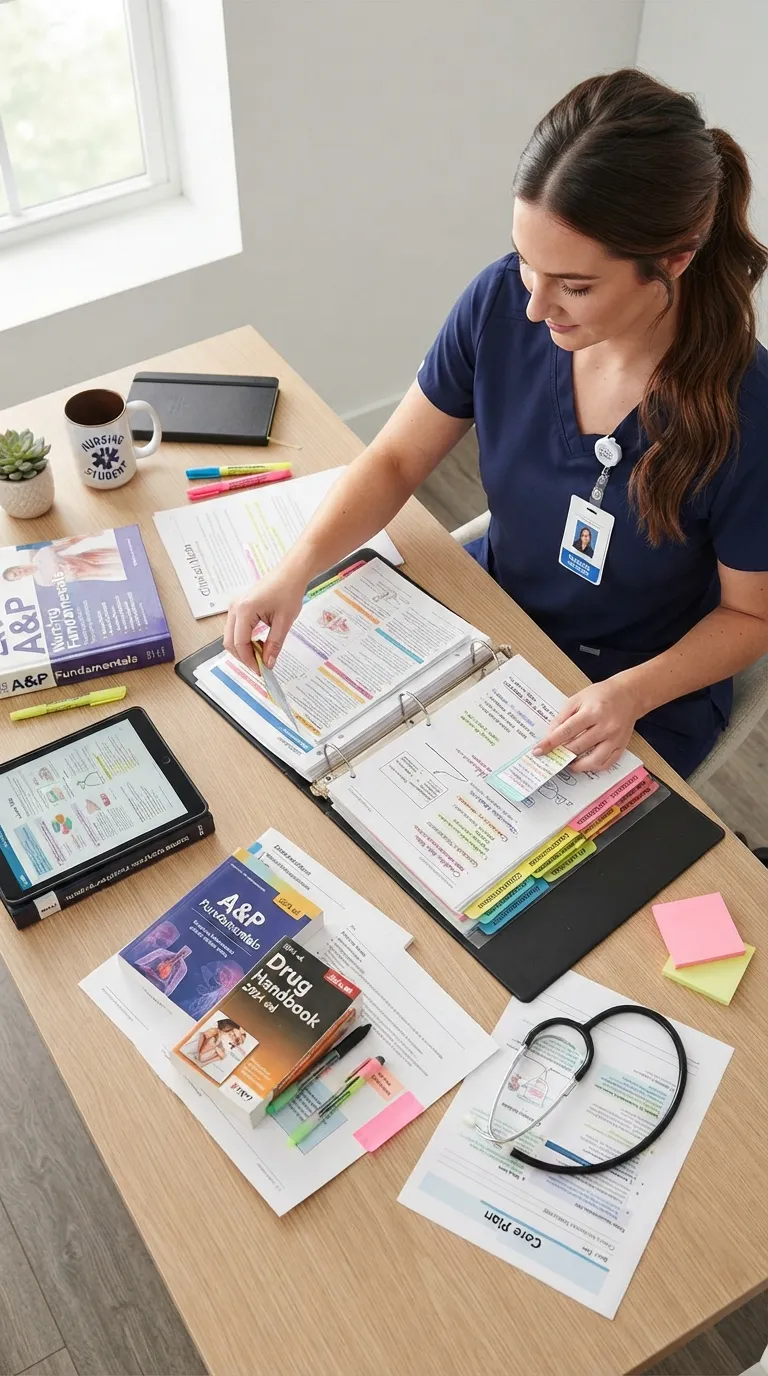
A final study binder brings different learning tools together into one reliable resource. Having organized materials in one place makes reviewing easier and helps nursing students feel more prepared throughout their program. Divide the binder into clearly labeled sections for clinical skills, assessments, anatomy, terminology, calculations, patient safety, and exam preparation. Use dividers, a table of contents, and removable pages to keep everything accessible.
To maintain your binder:
- Remove outdated notes and replace them with accurate information.
- Keep important summaries near the front of each section.
- Review and update the binder at the end of every unit.
Choose a physical binder, a digital notebook, or a combination of both to suit your learning style.
Conclusion
Building a useful nursing study system does not require complicated tools or perfectly organized notes. Start with resources that address your biggest challenges, such as clinical skill checklists, nursing math worksheets, concept summaries, or mistake logs. As your coursework progresses, add new sections and update older information using reliable educational resources and instructor guidance. Consistent, focused review can help you understand difficult concepts, recognize knowledge gaps, and prepare more effectively for nursing exams and supervised clinical practice. Save this Nursing Study Guide on Pinterest and use these ideas to create a personalized resource that supports your success throughout nursing school.