
Many students write the same line at the top of every COPD assignment: impaired gas exchange, related to alveolar damage. It sounds right, but without the cues that prove it (the saturation, the blood gas, the breathing pattern) the diagnosis is a guess, and the interventions that follow turn generic. A strong nursing care plan for copd starts from what you actually assessed. This plan builds 6 diagnoses in priority order, each with a measurable goal, interventions with rationales and an evaluation you can chart.
Work through it the way a preceptor would: airway first, then breathing and gas exchange, then the problems that build over days, like poor nutrition and anxiety. Each diagnosis below follows the same shape, so once you learn the pattern you can rebuild it for any COPD patient in clinicals or on an exam.
COPD Overview

COPD, chronic obstructive pulmonary disease, is a long-term lung condition where inflamed, narrowed airways and damaged alveoli trap air and make breathing out slow and hard. Emphysema and chronic bronchitis are its two main forms, and many patients have features of both. The MedlinePlus overview of COPD lists smoking as the leading cause, with long-term exposure to dust, fumes and secondhand smoke also playing a role. Because the damage builds over years, your assessment focuses on how well the patient moves air today, not just on the diagnosis itself.
Key findings to chart: a barrel-shaped chest, use of neck and shoulder muscles to breathe, pursed-lip breathing, a prolonged expiratory phase, wheezes or quiet, distant breath sounds, and a cough that produces thick sputum. Resting saturation often sits lower than in other patients, and a blood gas during an exacerbation may show a low pH with a high PaCO2 and a raised bicarbonate, the kidneys compensating over time. Clubbing of the fingers and gradual weight loss appear in later disease, and new ankle swelling can signal strain on the right side of the heart. Priority stays simple: airway, breathing, then circulation. A worked pneumonia nursing care plan shows the same priority order on a different lung problem, and reviewing the parts of a nursing care plan first helps you see where each piece below belongs.
Ineffective Airway Clearance
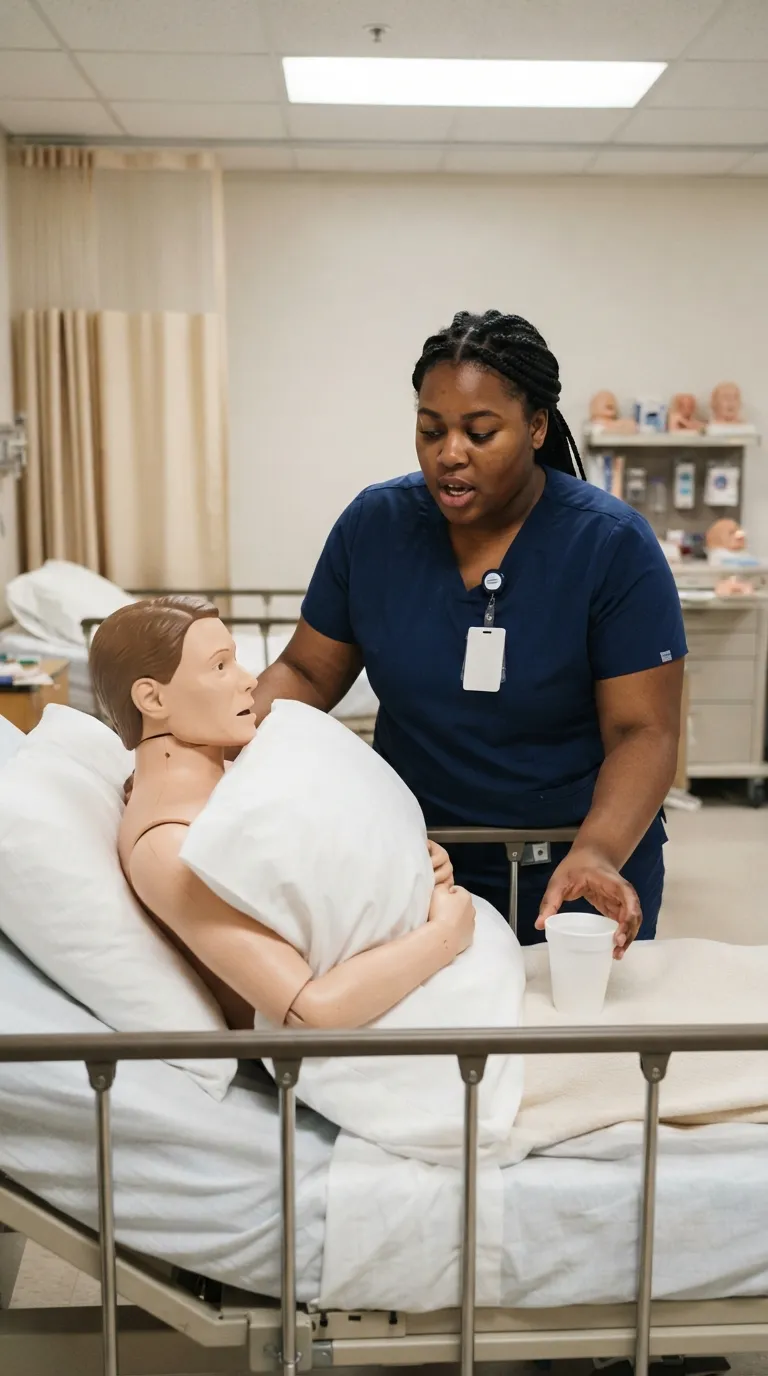
| Nursing diagnosis | Ineffective Airway Clearance related to thick, tenacious secretions, airway inflammation and a weak cough, as evidenced by rhonchi and coarse crackles, a cough that does not clear the chest, thick sputum and shortness of breath when talking. |
| Goal | The patient will cough effectively and keep the airway clear, with cleaner breath sounds and less sputum retained, within 24 hours. |
| Interventions | 1. Assess breath sounds, cough strength and sputum amount and thickness at least every 4 hours. Rationale: the trend tells you whether secretions are loosening or building up before the patient tires. 2. Sit the patient upright, ideally in a high Fowler position, and support the position with pillows. Rationale: sitting up improves lung expansion and gives the cough more force. 3. Offer oral fluids up to about 2 to 3 liters a day, unless fluids are restricted. Rationale: steady hydration thins thick secretions so they move up and out with less effort. 4. Teach huff coughing: a slow breath in, then short, sharp breaths out with the mouth open, like steaming up a mirror. Rationale: huff coughing moves secretions from the small airways toward the larger ones without exhausting the patient. 5. Suction only when the patient cannot clear secretions alone, using sterile technique and short passes. Rationale: routine suctioning irritates the airway, drops oxygen levels and raises infection risk. |
| Evaluation | The goal is met when the patient clears secretions with an effective cough, breath sounds are cleaner and the respiratory rate settles back toward the patient’s usual range. |
Impaired Gas Exchange

Impaired Gas Exchange related to ventilation-perfusion imbalance and damaged alveoli, as evidenced by a resting SpO2 below the patient’s baseline, dyspnea at rest, restlessness and a blood gas showing rising PaCO2. The goal: the patient will keep SpO2 within the target range of 88 to 92 percent on controlled oxygen and report less air hunger within 4 hours of treatment starting.
- Controlled oxygen: give oxygen by nasal cannula as ordered and titrate to an SpO2 of 88 to 92 percent rather than chasing 100 percent. Rationale: in COPD, too much oxygen can raise PaCO2 further, and this target range keeps tissues supplied while limiting that risk.
- Frequent checks: recheck saturation, respiratory rate and mental status at least hourly during an exacerbation. Rationale: new drowsiness or confusion can be the first sign that carbon dioxide is climbing.
- Position first: sit the patient fully upright or in a tripod position, leaning forward onto the overbed table. Rationale: this position lets the diaphragm move with less resistance and improves ventilation with no equipment at all.
- Gas trends: review arterial blood gas results against the normal ranges (pH 7.35 to 7.45, PaCO2 35 to 45 mmHg, HCO3 22 to 26 mEq/L) and report changes promptly. Rationale: a falling pH with rising PaCO2 shows the patient is tiring and needs escalation, not more time.
Judge the goal by the numbers and the patient together: saturation holding in the 88 to 92 percent range, breathing less labored, and the patient alert and able to finish a sentence. Recheck after every oxygen change, because a setting that suited the patient in the morning may be too much by evening. If saturation falls or drowsiness grows, the plan has failed and the provider needs to know at once.
NCLEX tip: On exam questions, the COPD patient who turns drowsy after the oxygen is turned up is testing whether you know the 88 to 92 percent target. The first moves are to assess the patient, check the saturation and follow the controlled oxygen orders, never to simply shut the oxygen off and leave.
Ineffective Breathing Pattern
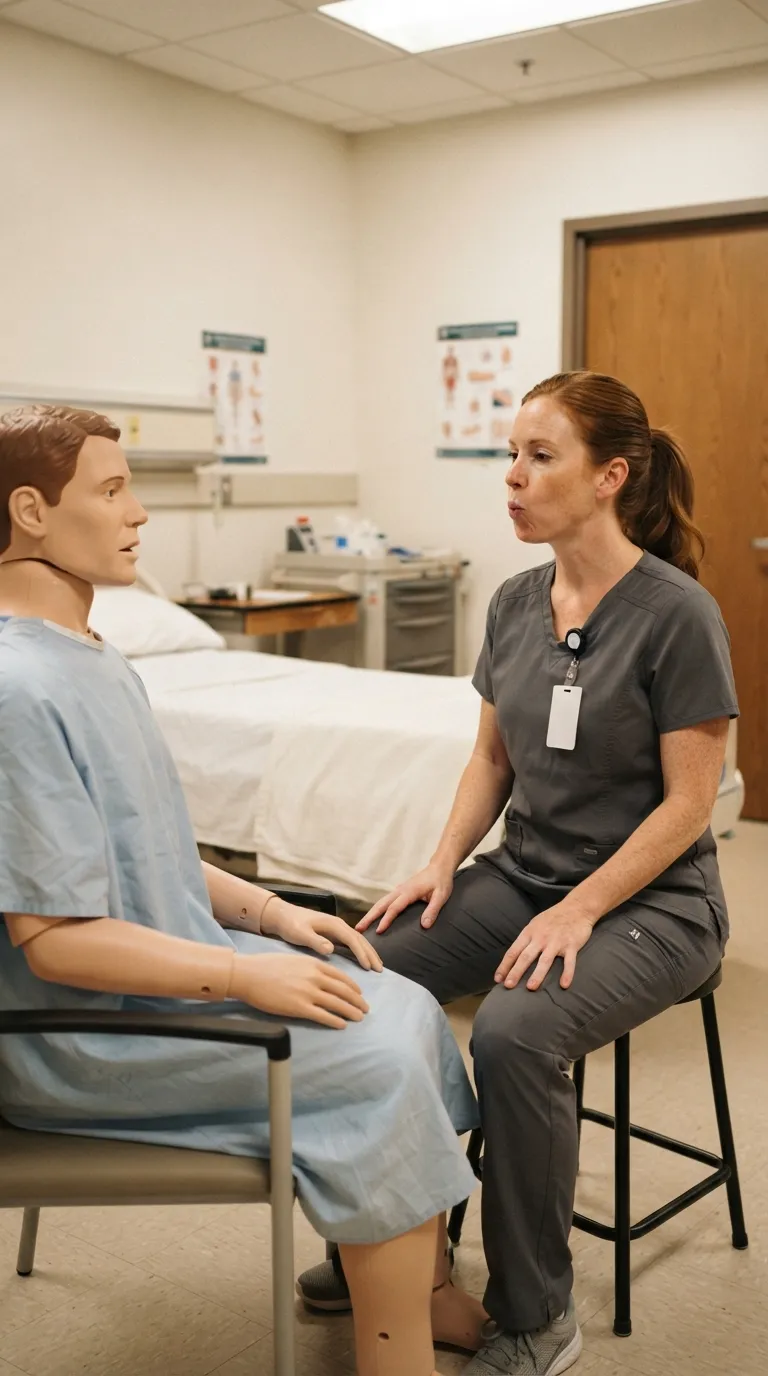
| Nursing diagnosis | Ineffective Breathing Pattern related to hyperinflation, air trapping and respiratory muscle fatigue, as evidenced by a rapid, shallow rate, prolonged expiration, use of accessory muscles and pursed-lip breathing. |
| Goal | The patient will demonstrate an effective breathing pattern, with slower, deeper breaths and less accessory muscle use, within 48 hours. |
| Interventions | 1. Teach pursed-lip breathing: breathe in through the nose for 2 counts, then out slowly through pursed lips for 4 counts. Rationale: the gentle back pressure keeps small airways open longer and slows the rate. 2. Practice diaphragmatic breathing for 5 to 10 minutes several times a day, with one hand on the chest and one on the abdomen. Rationale: shifting work to the diaphragm makes each breath deeper and more efficient. 3. Schedule care and teaching in short sessions with rest between them. Rationale: a fatigued patient slips back into fast, shallow breathing, and planned rests protect the new pattern. 4. Keep the patient in a tripod or high Fowler position during practice and meals. Rationale: leaning forward fixes the shoulder muscles so they can help lift the chest. 5. Monitor the respiratory rate and pattern each shift and compare with the patient’s baseline. Rationale: a rising rate with shrinking breaths warns of fatigue before saturation falls. |
| Evaluation | The goal is met when the patient breathes out slowly through pursed lips without prompting, the rate slows toward baseline and accessory muscle use visibly eases. |
Red flag: A COPD patient who grows drowsy, confused or hard to wake, whose saturation keeps falling despite controlled oxygen, or who develops worsening ankle swelling and bulging neck veins needs urgent review. These signs point to carbon dioxide retention or strain on the right side of the heart, and both can worsen fast.
Activity Intolerance
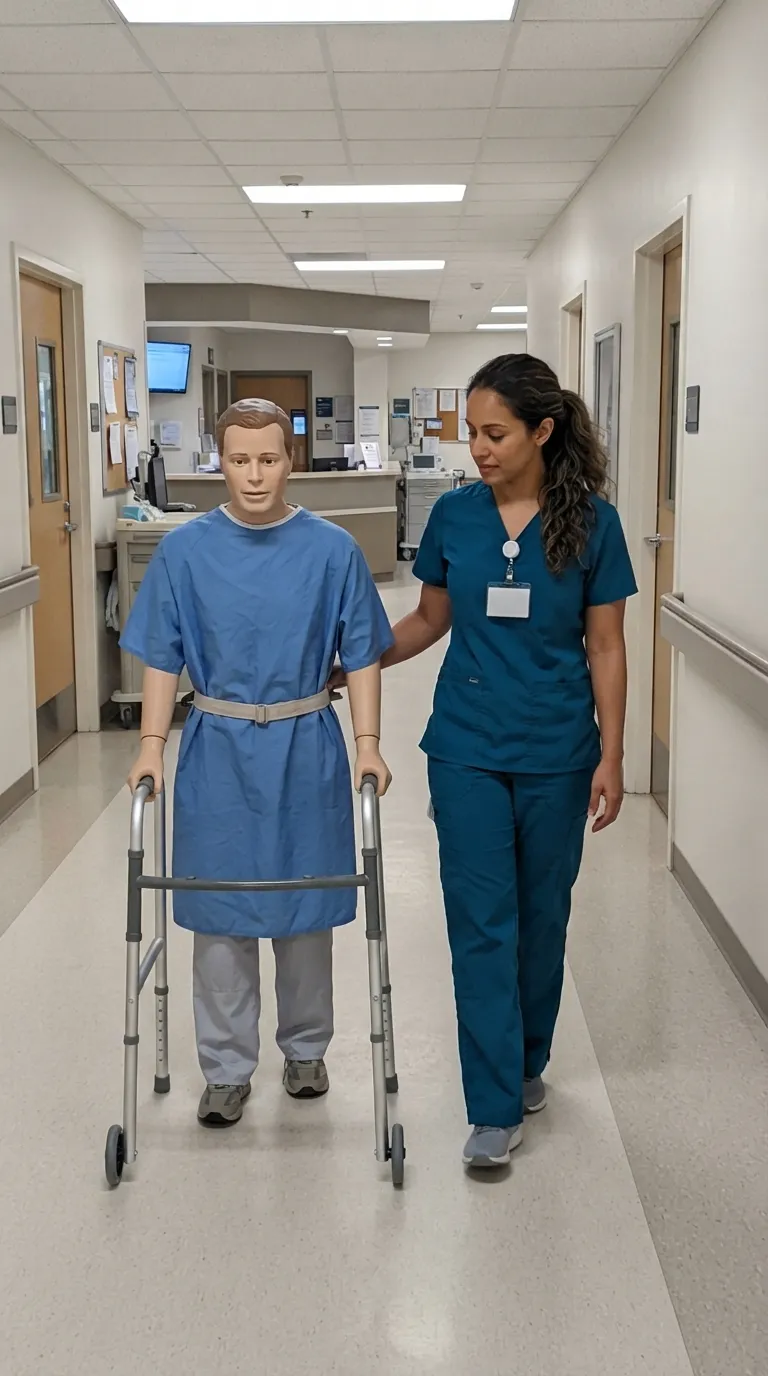
Activity Intolerance related to the imbalance between oxygen supply and demand, as evidenced by breathlessness after walking a few steps, a heart rate that climbs fast with activity and fatigue that lingers long after rest. The goal: the patient will walk to the bathroom and back with dyspnea no worse than moderate, recovering within 5 minutes, by discharge.
- Rest first: plan 30 minutes of rest before activities such as washing, dressing or walking. Rationale: starting rested raises the distance a patient can manage before dyspnea hits.
- Pace the task: break activities into small steps with seated pauses, and keep supplies within reach. Rationale: short bouts with recovery breaks spend less oxygen than one long effort.
- Breathe with the effort: teach the patient to breathe out through pursed lips during the hardest part of a movement, such as standing up. Rationale: exhaling on exertion prevents breath holding and lowers air trapping.
- Track the response: note the heart rate, saturation and dyspnea rating before, during and after activity. Rationale: the pattern shows progress over days and flags the patient who is declining.
Compare the same walk across several days: distance up, pauses fewer, recovery shorter. Record the distance and the recovery time in the chart each day, so the whole team reads the same trend instead of separate impressions. When the patient can finish morning care in one session with planned rests and recover within minutes, this goal is on track.
Imbalanced Nutrition: Less Than Body Requirements

| Nursing diagnosis | Imbalanced Nutrition: Less Than Body Requirements related to the work of breathing, early fullness and poor appetite, as evidenced by weight loss, eating only a few bites at meals and a low body mass index. |
| Goal | The patient will eat at least three quarters of each small, frequent meal and hold a stable weight over 1 week. |
| Interventions | 1. Offer 5 to 6 small, high-calorie, high-protein meals instead of 3 large ones. Rationale: small meals leave room for the diaphragm to move and are finished before fatigue sets in. 2. Let the patient rest for 30 minutes before meals, sitting fully upright at the table. Rationale: eating while exhausted or lying back raises both dyspnea and aspiration risk. 3. Encourage oral hygiene before meals and keep the tray area clean and clear of sputum cups. Rationale: a fresh mouth improves taste and appetite, and a clean setting removes a common reason patients stop eating. 4. Suggest soft, nutrient-dense foods and drinks, and limit gas-forming foods if the patient reports bloating. Rationale: a full, bloated abdomen pushes up on the diaphragm and shortens every breath. 5. Weigh the patient weekly on the same scale and record intake at each meal. Rationale: steady numbers show whether the plan is working long before the patient looks different. |
| Evaluation | The goal is met when intake records show most of each small meal eaten and the weekly weight holds steady or rises slightly. |
Anxiety

Anxiety related to breathlessness and fear of suffocation, as evidenced by restlessness during dyspnea episodes, statements of panic when the breath shortens and a need for constant reassurance. The goal: the patient will use a breathing and relaxation routine during a dyspnea episode and rate anxiety lower within 3 days.
- Stay close: remain with the patient during an episode and coach slow breathing aloud until the rate settles. Rationale: a calm presence and a steady rhythm interrupt the fear and dyspnea cycle.
- Give a plan: teach a simple sequence for attacks: sit, lean forward, pursed-lip breathing, then use the inhaler as ordered. Rationale: a rehearsed sequence replaces panic with steps the patient can start alone.
- Explain the pattern: teach that anxiety speeds breathing, which traps more air, which then feels worse. Rationale: understanding the loop makes the sensation less frightening and easier to control.
- Reduce triggers: keep the call bell in reach, explain alarms and procedures before they happen, and space out stressful care. Rationale: predictable surroundings lower the background anxiety that episodes build on.
The goal shows itself during the next hard episode: the patient reaches for the routine instead of freezing, breathing slows with coaching and the panic peaks lower and passes sooner than before.
Evaluation and Teaching
Evaluate the whole plan daily, not diagnosis by diagnosis. Breath sounds, saturation trends, blood gases, walking distance, meal intake and weight tell one story together, and the MedlinePlus encyclopedia article on COPD gives a plain-language picture of the disease course to compare against. A goal that stalls is not a failed patient; it is a cue to revise the goal, the time frame or the interventions. Keep the patient’s own baseline in view as you judge: a saturation that looks low on paper may be normal for this patient, and the trend across days matters more than any single reading.
Teaching protects the gains. Before discharge, the patient should show you the inhaler technique, explain the pursed-lip routine and name the signs that mean a call for help: more sputum, a change in its color, fever or rising breathlessness. Infection triggers most exacerbations, so hand hygiene, yearly flu vaccination and staying current on pneumonia vaccination matter; the same isolation precautions used on the unit, applied at home around sick visitors, cut that risk further.
Quick Questions
What SpO2 target should you aim for in a COPD exacerbation?
Aim for 88 to 92 percent. COPD lungs are sensitive to high oxygen levels, which can let carbon dioxide climb, so oxygen is given in controlled amounts and the patient is reassessed often. A saturation of 100 percent is not the goal here, even though it looks better on the monitor.
Why do COPD care plans put airway and breathing diagnoses first?
Because nothing else matters if the patient cannot move air. Priority follows the ABC order: a clear airway, then an effective breathing pattern and gas exchange, then circulation and safety. Nutrition, anxiety and teaching goals all depend on a patient who can breathe well enough to eat, move and learn.
How do you write a goal a nurse can actually evaluate?
Name the behavior, the measure and the time frame in one sentence: the patient will walk 50 feet with one rest stop by the third day. Vague goals like breathing will improve cannot be checked, so they cannot be evaluated, revised or handed over to the next nurse with confidence.
More Care Plans to Practice
Your next step is to rebuild this plan from memory on a blank page: the 6 labels in priority order, one goal and two interventions for each. That recall practice is what turns a worked example into something you can produce in clinicals, and these care plan study tips show how to drill it in short daily sessions.
Then vary the patient: add heart failure, swap anxiety for deficient knowledge, or set the scene as a home visit. Each variation forces fresh cues and fresh goals, which is exactly the thinking care plan exams reward. By the third rebuild, the pattern should start to feel automatic. Ten focused minutes a day beats one long rewrite the night before an exam.
For study use only. Always follow your program, your facility’s policy and current drug and lab references.