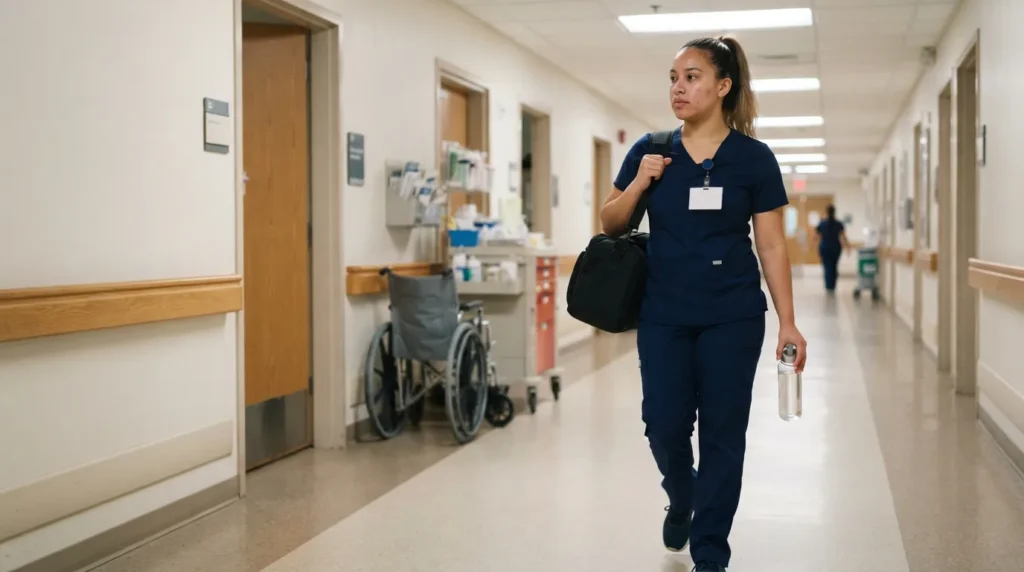

Most hospital day shifts begin at 7 a.m., and nursing students are expected on the unit, dressed and ready, before morning report starts. Knowing what to expect in nursing clinicals turns that first early alarm into a routine instead of a shock. These 16 expectations walk through a full clinical day and the weeks around it, from the night-before prep to the evaluation at the end of the rotation.
Clinicals feel different from the classroom from the very first morning. The pace is real, the patients are real, and small habits carry you further than last-minute cramming. If the first day of nursing school felt like a lot of new rules at once, clinicals add one more layer, so read these expectations in order and picture your own first week on the unit.
Early Morning Start Times
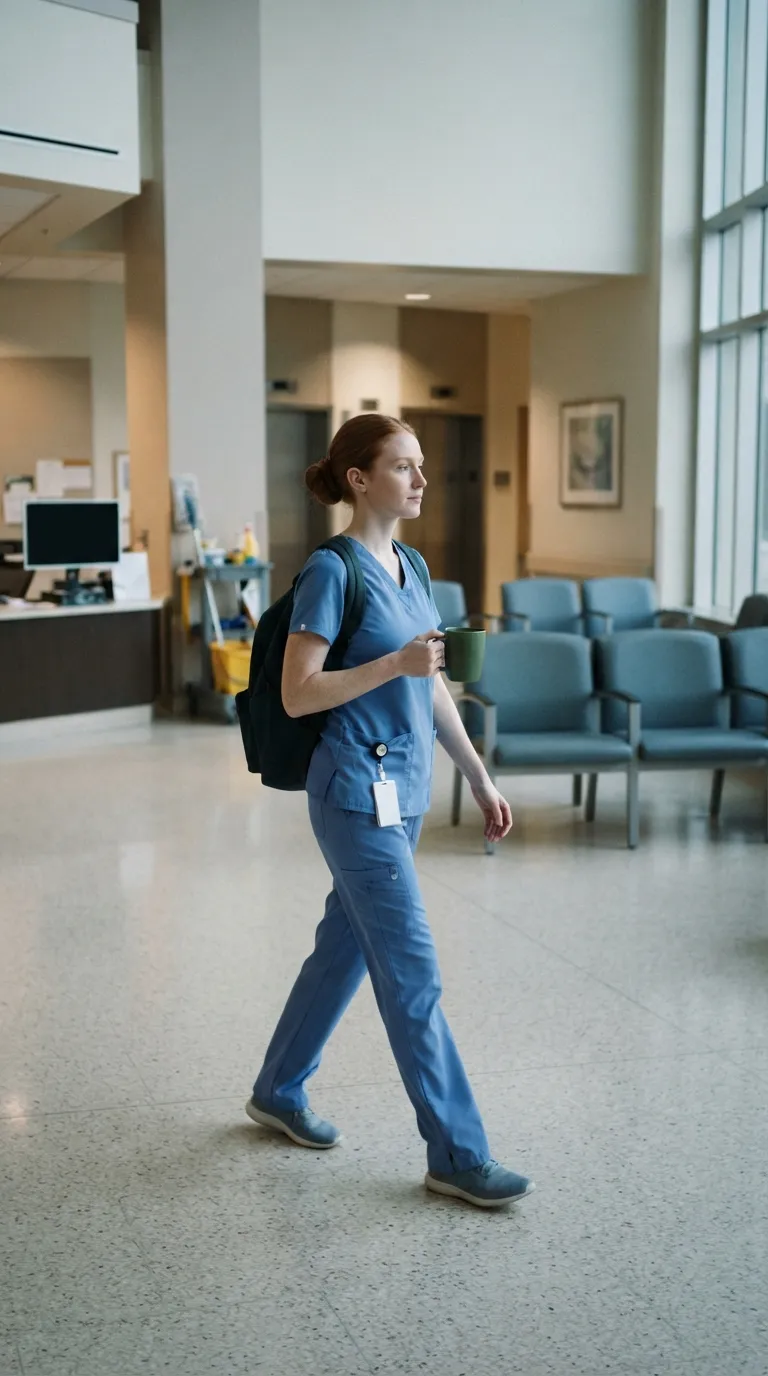
Report time: 6:30 a.m. for most day rotations · Setting: your assigned unit · Rule: arrive before report, never during it
Clinical days start earlier than class days, sometimes earlier than the hospital cafeteria opens. Students usually arrive in time to find their patient assignment, glance at the chart and settle in before the night nurse gives report.
Build the morning backwards from report time: badge on, bag in the locker, water bottle filled, and two minutes to breathe before the shift starts moving. Arriving early also buys a calm first impression with your nurse.
Preparing the Night Before
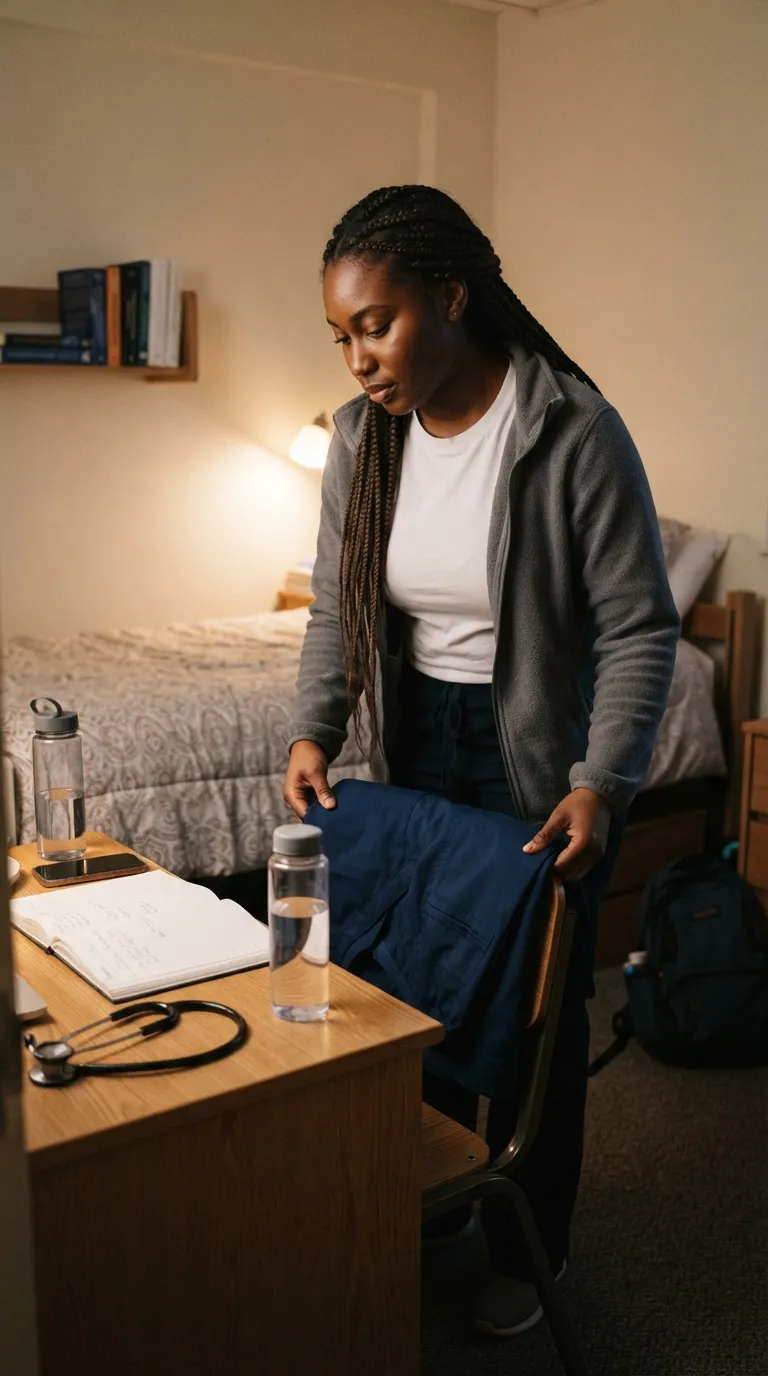
The night before a clinical day decides how the morning feels. Ten minutes of prep after dinner replaces a scramble in the dark and protects your sleep.
- Lay out the uniform: Scrubs, badge, shoes and bag in one place by the door saves a frantic search at 5 a.m.
- Pack the bag: Stethoscope, penlight, notebook, two pens, water bottle and a snack for your break.
- Check the plan: Confirm the unit, the report time and where your group meets in your study planner pages, then set two alarms five minutes apart.
- Skim the assignment: If patients are assigned early, read the diagnosis and main medications once, without memorizing them.
Meeting Your Clinical Instructor

Who: your school instructor, not hospital staff · Job: assigns patients, checks skills, grades you · Rule: ask early, not after a mistake
Your clinical instructor is the teacher who follows your group onto the unit. She assigns your patients, watches your first skills, signs your paperwork and writes your evaluation, so her expectations shape your whole rotation.
Expect a short orientation on day one: where to meet, what to bring, how she wants care plans written and when phones stay in pockets. Write those rules down. Students lose more points to missed instructions than to missed skills.
Your First Patient Assignment

Most students start with one patient, chosen because the care fits a beginner: stable, talking, and needing the basics done well. A small assignment still holds the whole nursing process, at a size you can carry.
- Start with the chart: Read the diagnosis, allergies and orders before you walk in, and note the questions you cannot answer yet.
- Introduce yourself plainly: Your name, your school, and that you are a student nurse working with the patient’s nurse today.
- End with a report: Tell the staff nurse what you did, what you found and anything that looked different from the chart.
Taking Vital Signs on Real Patients
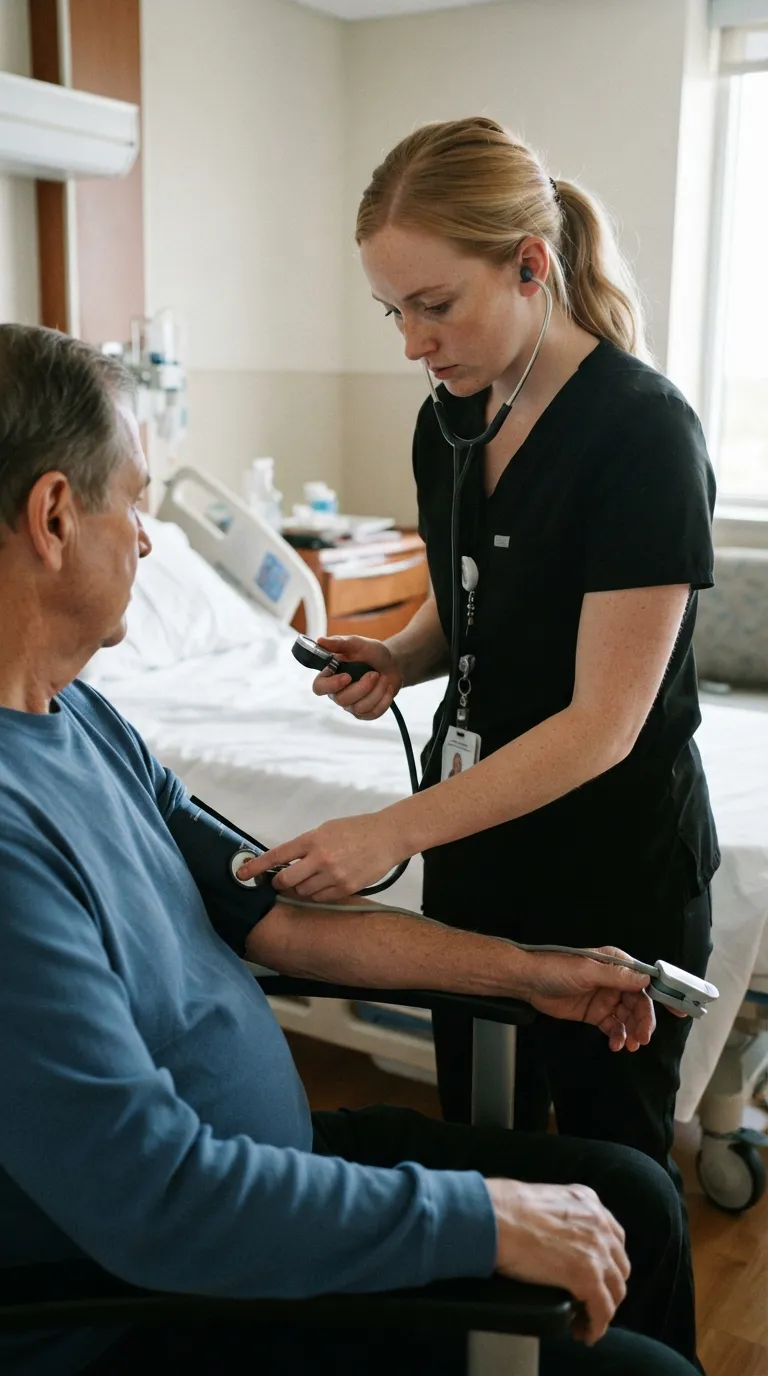
Set: temperature, pulse, respirations, blood pressure, oxygen, pain · Timing: often every 4 hours · Rule: report the strange number, do not just chart it
Vital signs are usually your first real task, and real patients make them messier than the lab: arms move, cuffs slip, and a manual blood pressure takes real practice while someone waits for breakfast.
Expect to repeat a reading that looks off before you report it, and to learn each patient’s normal over the shift. One odd number is a finding; a trend across the morning is a story your nurse needs to hear.
Watching a Medication Pass
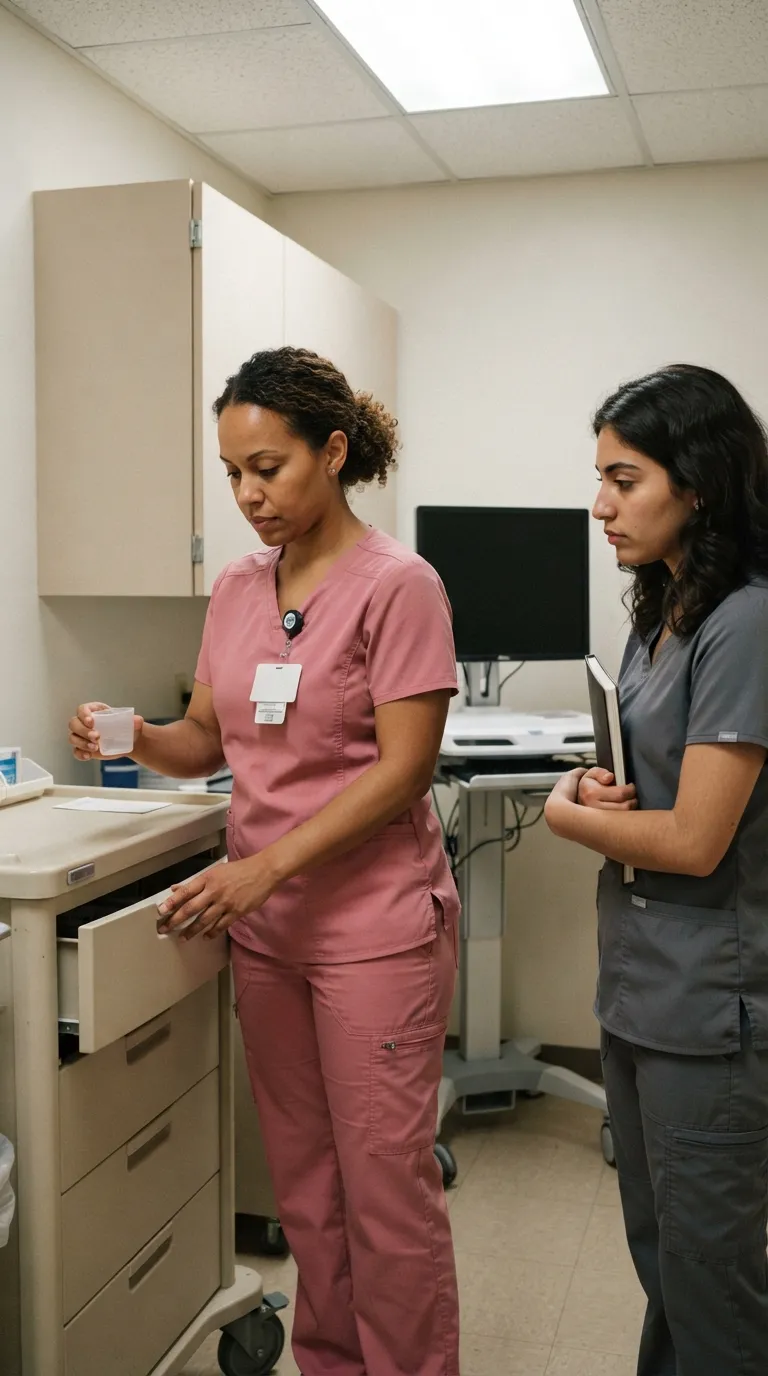
Students observe medication passes long before giving medications, and the watching is the lesson. Watch the nurse’s hands, not just the cart: every dose gets checked against the order more than once, even when the hallway is busy.
- Checks before the room: The right patient, drug, dose, route and time, verified at the cart and again at the bedside.
- Questions out loud: Nurses think aloud about why a drug is held or a dose questioned; that reasoning is gold for exams.
- Your turn comes later: Programs open medication skills in stages, after a dosage calculation check and a skills lab pass.
Working With Staff Nurses

Reality: your nurse has a full assignment too · Best move: offer help before you need help · Rule: thank the unit, every shift
The staff nurse you follow is not your teacher, yet you will learn half of clinicals from her: how she sequences tasks, talks to families and spots a patient quietly getting worse.
Some nurses love students and some are simply busy; both kinds respond well to a student who answers call lights, restocks, and asks one good question instead of ten small ones. How you treat the unit team follows you to your evaluation.
Questions Asked on the Spot

Instructors ask questions anywhere: at the bedside, in the hallway, beside the medication cart. The questions are teaching, not traps, and they usually start with your own patient: why this drug, what that lab value means, what comes next.
- Answer with your reasoning: Walking through how you got there earns more than a lucky one-word guess.
- Not knowing is allowed: Say so plainly, name where you would look it up, then look it up before the next shift.
- Expect repeats: The same question returns on another patient next week, because that is how the lesson sticks.
- Write the question down: Your notebook becomes a personal review list for the next exam.
Study tip: Write every question your instructor asks on the back page of your notebook, then answer each in writing before the next clinical day; that page becomes your most personal study guide.
Charting and Care Plan Paperwork
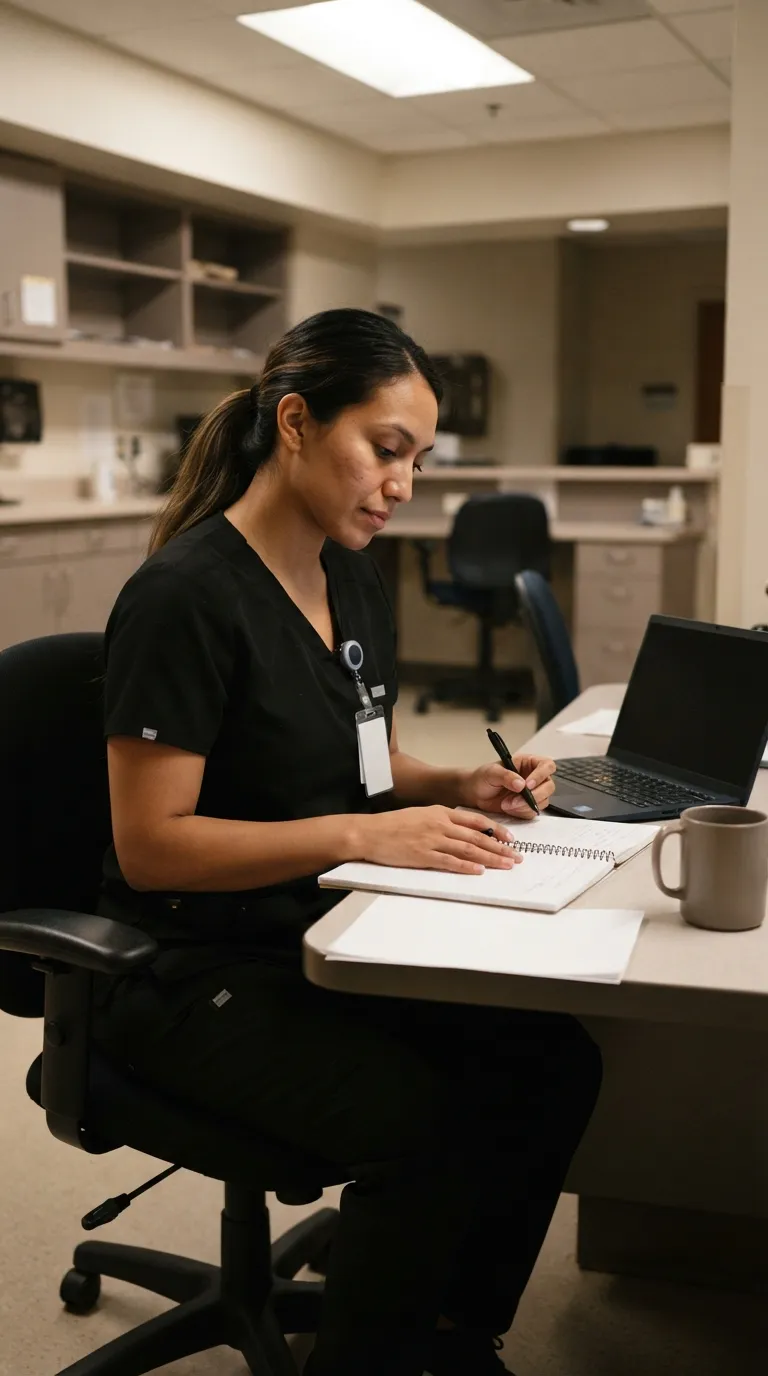
Due: care plans often the week after the shift · Style: short, factual, no opinions · Rule: chart what you saw, not what you assumed
Paperwork surprises students with its size. Alongside charting vitals and care, most programs assign a written care plan on one patient: assessment, a nursing diagnosis, goals, interventions and how you would evaluate them.
Expect the first care plan to take hours and the fourth to take a fraction of that. Instructors grade the thinking, not the decoration, so plain sentences that match what you actually did beat polished paragraphs about care you never gave.
Post-Conference With Your Group

Most clinical days end in post-conference, a seated debrief with your instructor and group, usually thirty to sixty minutes. Cases get compared, near misses get unpacked, and one strange finding becomes everyone’s lesson.
- Bring one story: A moment that went well or badly, told in a few sentences, is your ticket into the discussion.
- Protect privacy: Patients are discussed by room and condition, never by name, and never again outside that room.
- Listen for patterns: When three classmates describe the same problem, it is probably next week’s exam topic.
- Leave with homework: Conferences often end with a reading or drug to review before the next shift.
Standing for Long Hours
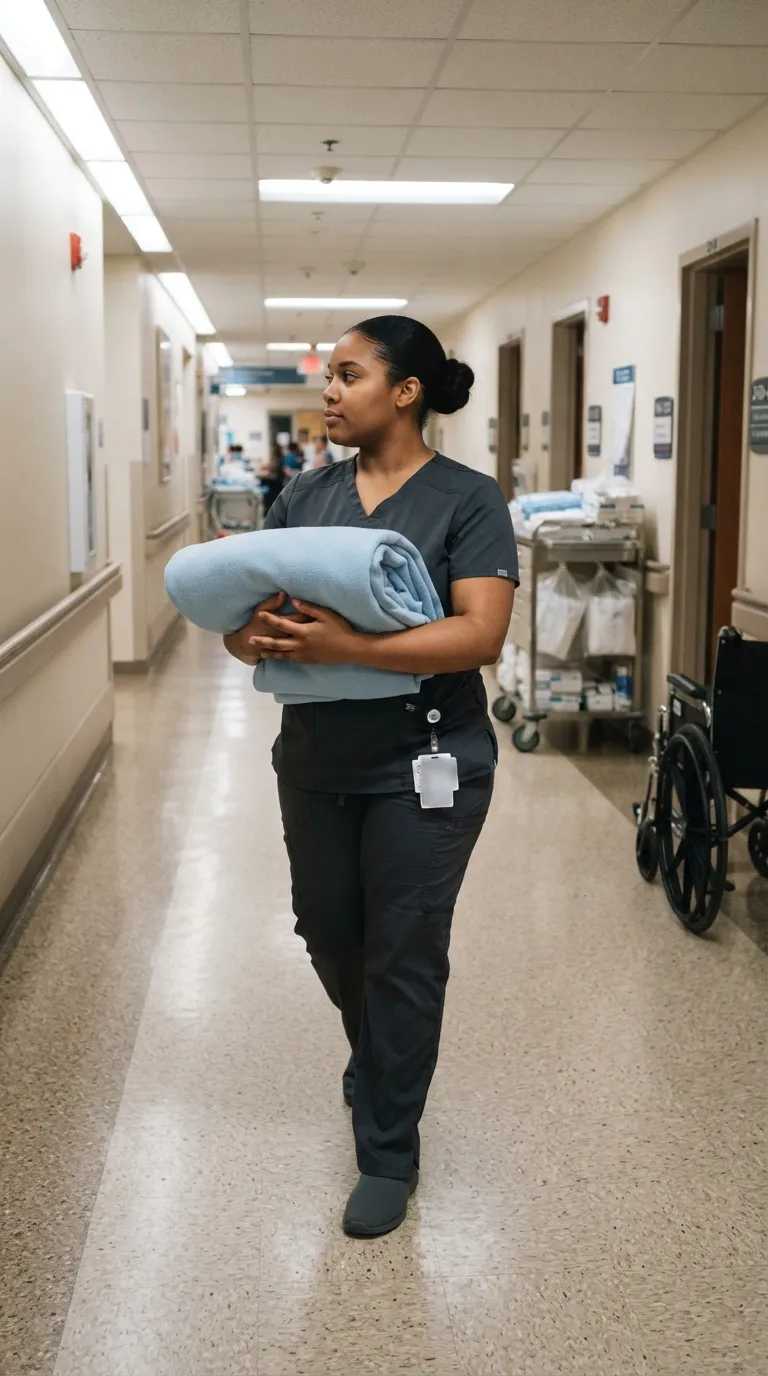
Shift length: 6 to 12 hours on your feet · Gear: supportive shoes, compression socks for many students · Rule: sit when the work allows it
Nobody warns you about your feet, and then the first full shift explains it. Clinical floors are hard, rounds are constant, and chances to sit appear exactly when a patient needs something across the hall.
Comfort is a skill here: shoes broken in before the rotation, water during every break, and the sense to sit while charting instead of hovering by the desk. Students swapping tips for surviving med surg name footwear and hydration first, for good reason.
Seeing Procedures for the First Time

Sooner or later you watch something you have only read about: a catheter going in, a dressing coming off, a code cart rolling past. Watching well is a skill of its own.
- Stand where you can see: Ask the nurse where to stand before the procedure starts, not after the drape is up.
- Hands stay useful: Hold the light, open packets, steady supplies; useful hands earn the next invitation.
- Feelings are data too: Lightheaded is common in week one; step out and sit down with water rather than becoming the second patient.
- Debrief in your head: Afterwards, list the steps in order from memory; that replay turns watching into knowledge.
Uniform and Appearance Rules
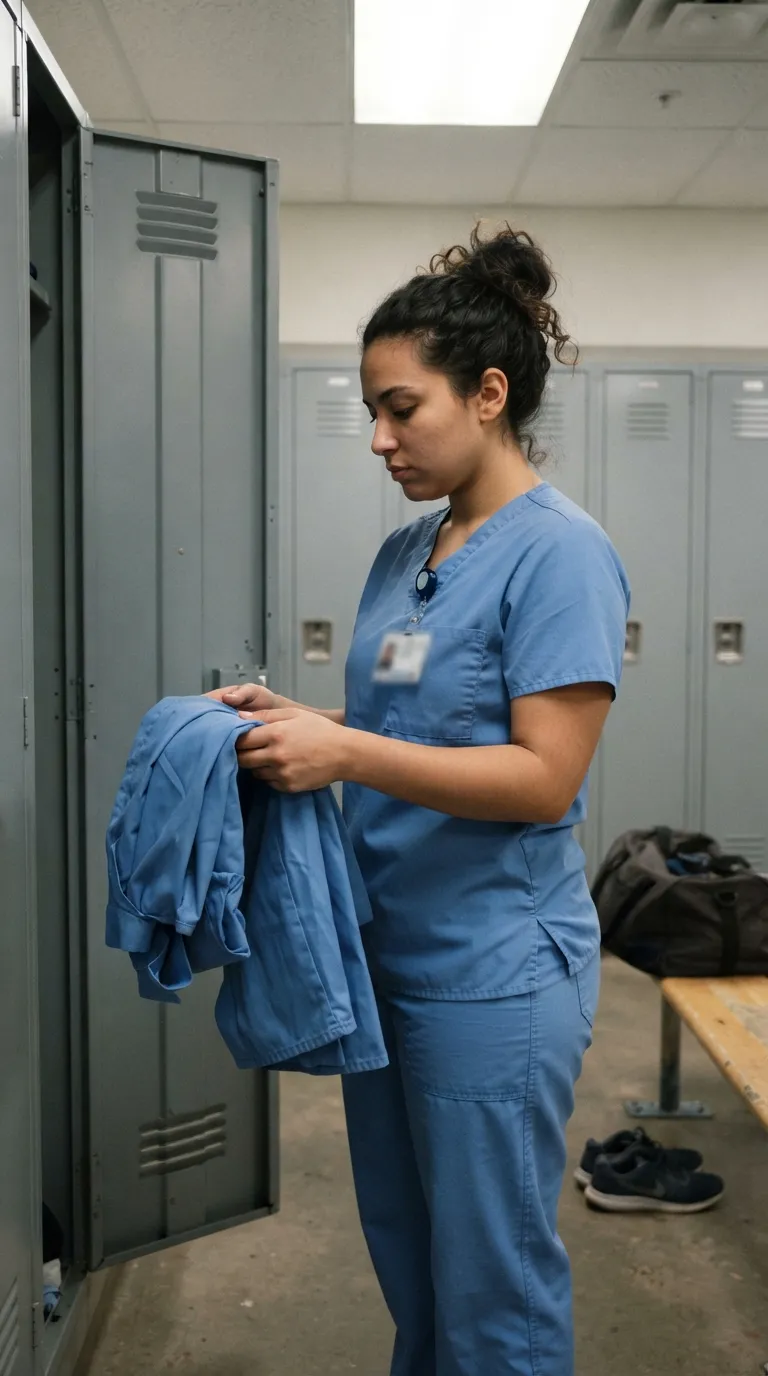
Standard: program scrubs, badge visible, hair up · Banned on most units: long nails, loose jewelry, strong scents · Rule: dress code beats personal style
Dress codes in clinicals are stricter than classroom ones, and they are about safety and infection control, not fashion. Expect rules on nails, hair, jewelry, tattoos, shoes and scent, checked by instructors who notice everything before report.
The simplest system is a uniform routine: same pockets, same badge spot, same place for the penlight, so getting ready takes no thought. When in doubt, check the dress code before you check the mirror, and fix it at home, not at the nurses’ station.
Packing a Clinical Bag

A clinical bag stays small on purpose: everything in it earns its place across a long day. Pack it once, properly, and the same kit carries the whole rotation, with only snacks and paperwork changing.
- The non-negotiables: Stethoscope, penlight, bandage scissors, a small notebook, two working pens and your badge, clipped where you can reach it.
- The comfort layer: Water bottle, a real snack, lip balm and a phone charger for the break room.
- The study layer: A few drug cards or a care plan draft, for quiet ten-minute gaps.
- The reset rule: Empty the bag after every shift, restock the same night, and nothing slowly goes missing.
Emotional Moments on the Unit

Normal: tears, flat days, hard goodbyes · Private rule: process later, with your people · Support: instructor, counselor, classmates
Some shifts hand you a moment that stays with you: a patient who reminds you of your grandfather, a family hearing hard news, a goodbye at discharge that feels too big. Nursing is emotional work, and students feel it early.
You do not have to perform being fine. Step into the supply room, breathe, and finish the task in front of you; the feeling often arrives later, in the car or the shower, and that is normal. Tell your instructor when a day sits heavy; she has stood where you stand.
Clinical Evaluations and Feedback
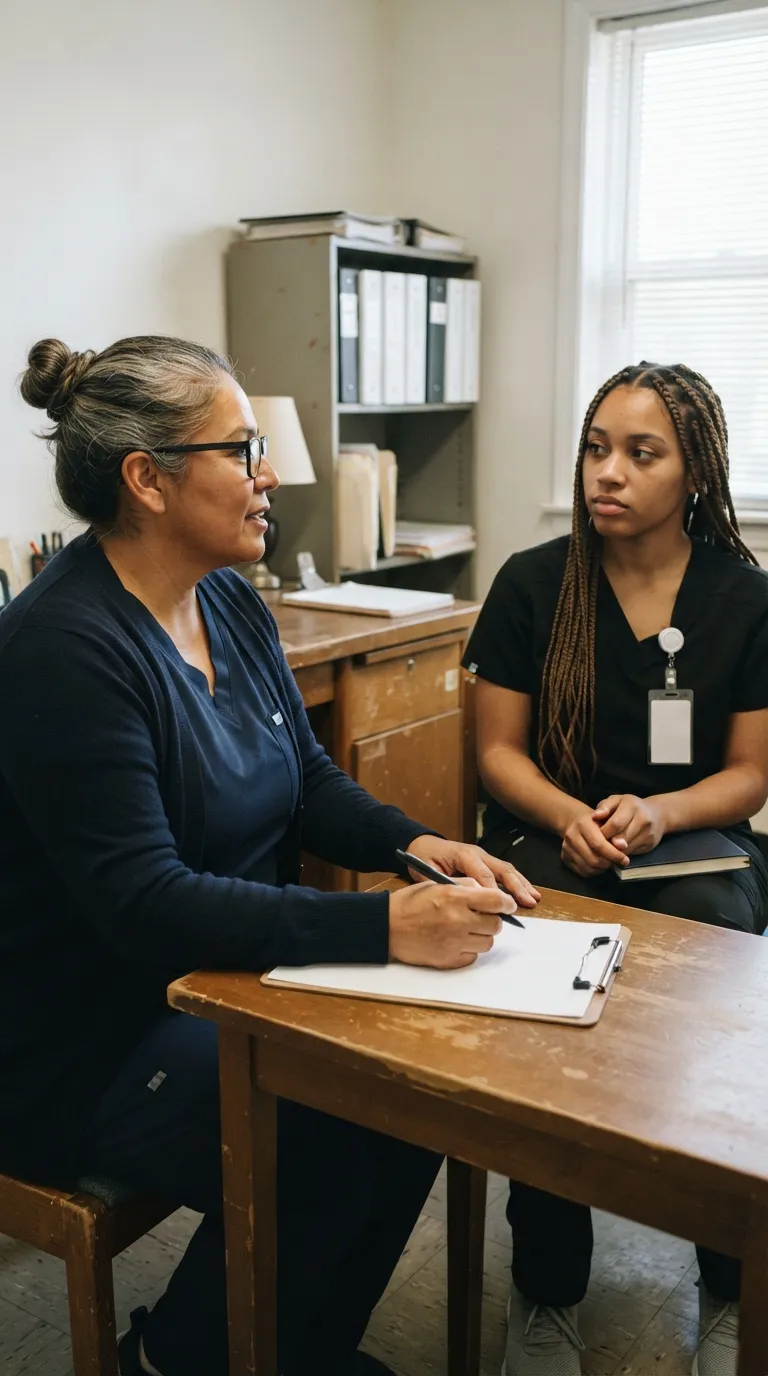
Grades in clinicals are usually pass or satisfactory, built from weekly notes your instructor keeps on skills, safety, preparation and attitude. The final evaluation rarely surprises a student who asked for feedback along the way.
- Mid-rotation check-ins matter: Halfway feedback tells you exactly what to fix while there is still time to fix it.
- One weakness is normal: Every student leaves with something to improve; a specific weakness named early is a gift, not a verdict.
- Ask the last question: What would you watch me do next rotation? The answer becomes your first goal for the next course.
Quick Questions
Is it normal to feel nervous for the whole first week?
That is the standard first-week experience, not a warning sign. Nerves shrink as the unit becomes familiar: the same hallway, the same report routine, the same faces. Most students notice that by the third week the routine starts to feel ordinary, and the energy once spent on worry goes into the patients instead.
What should a student bring on the first clinical day?
Bring less than you fear: uniform, badge, stethoscope, penlight, notebook, two pens, water and a snack. Leave valuables and extra textbooks behind; lockers are small and the unit provides the clinical supplies. Your instructor’s orientation list outranks any generic packing list, so check it the night before and pack exactly that.
When is it okay to ask staff nurses questions?
Yes, and good nurses expect it. Time the question well: not during a medication pass or a rushed moment, and start with what you already think the answer is. One thoughtful question at a calm moment teaches more than five questions fired across a busy morning at the nurses’ station.
Which Idea Is Your Favorite?
Sixteen expectations is a lot to hold at once, so do not try to prepare for all of them now. Picture the student who walked in at dawn on the first day, badge clipped, stethoscope still stiff in its box, and notice how ordinary these moments sound now. The distance from your acceptance announcement to a steady morning report is shorter than it feels today.
Start with the expectation that feels closest: the alarm, the bag, the first set of vital signs. Prepare for that one well and let the rest arrive in their own order. Every nurse on your unit once stood where you are standing, waiting for that first clinical day. Which of these 16 moments do you want to be ready for first?