

The runner sets a cooler on the med room counter, and your preceptor asks the question every examiner loves: the patient needs blood, so which product, and why? This comparison sorts the blood products you will meet on the unit, all 14 of them, one by one: what each is made from, how it is stored, when it is ordered, and what you watch while it runs.
Work through them in order, or jump to the one your next exam keeps circling. For the receiving, checking and hanging steps, study the step by step transfusion guide alongside this list; here the focus stays on telling the products apart, so the right bag is never a guess.
Packed Red Blood Cells
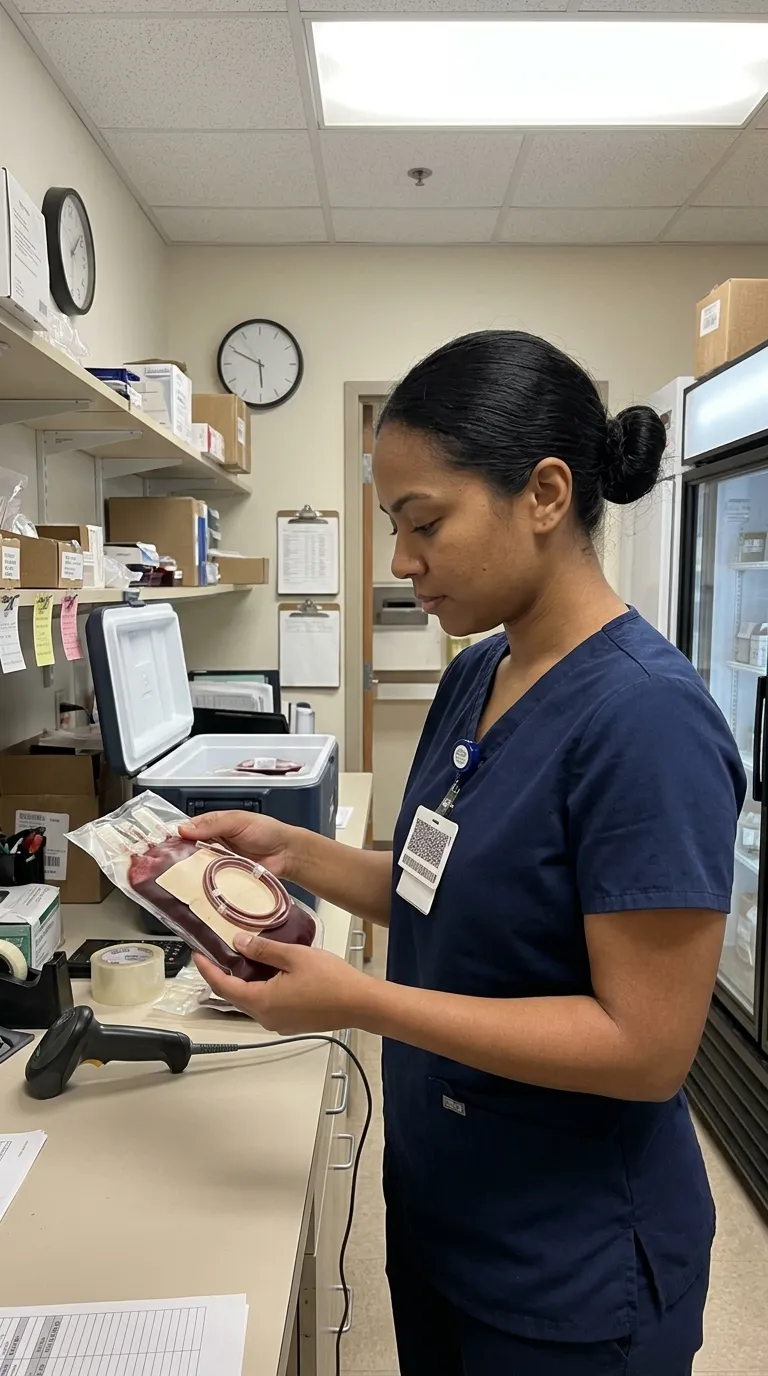
Packed red blood cells are whole blood with most of the plasma spun off, so one bag delivers red cells in a small volume. They are ordered when the goal is oxygen carrying power: symptomatic anemia, or ongoing bleeding once volume is replaced.
- Expected rise: one unit lifts hemoglobin by about 1 g/dL and hematocrit by 3 percent in an average adult.
- Storage: refrigerated at 1 to 6 degrees C, for up to 42 days when an additive solution is used.
- Matching: the unit must be ABO and Rh compatible and crossmatched against a current patient sample.
- Running it: use a standard blood filter and normal saline only, start within 30 minutes of issue, and finish within 4 hours.
Whole Blood
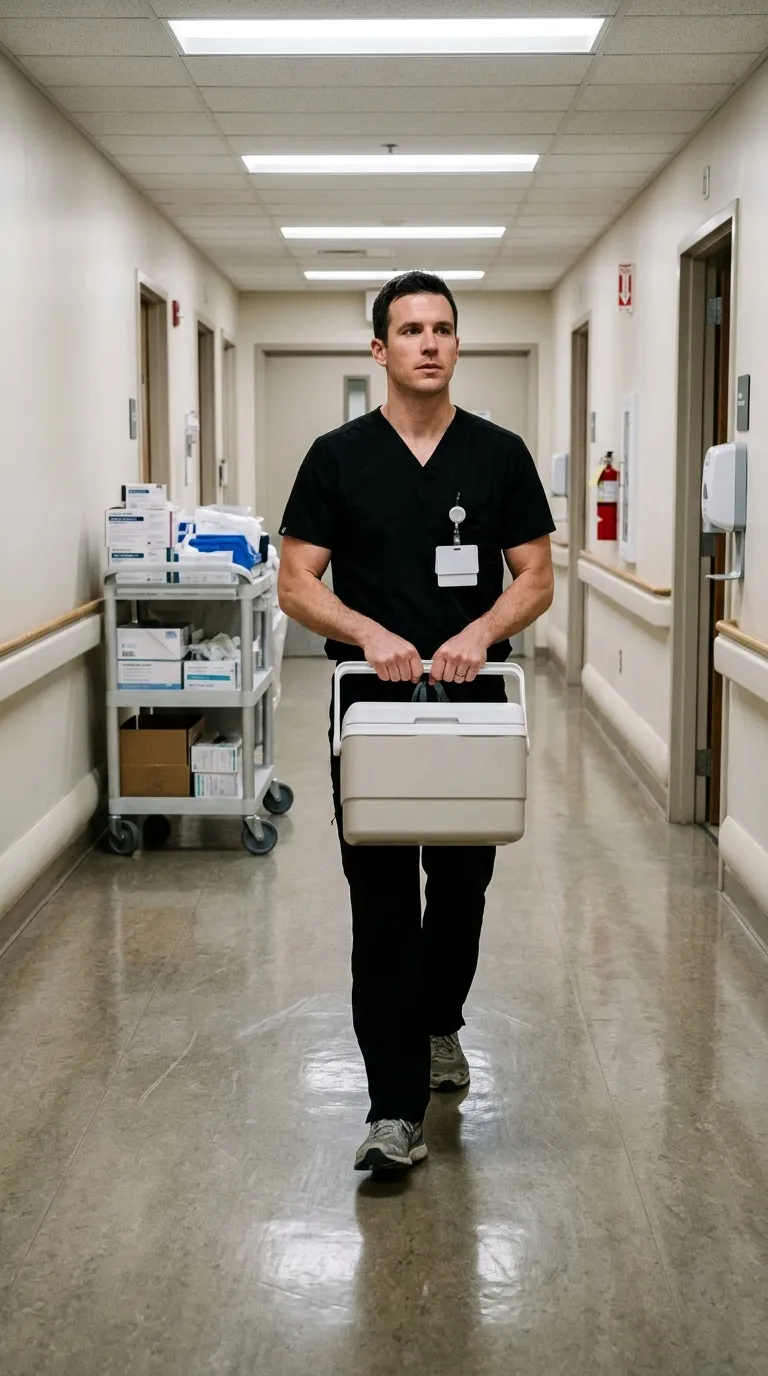
Whole blood is the donation almost unchanged: red cells, plasma and platelets together in one bag. Component therapy pushed it aside for years, because most patients need only one part, not all of it at once.
Trauma teams have brought it back for massive bleeding, where the patient is losing everything at once. Low-titer group O whole blood is the version stocked, stored refrigerated like red cells for 21 to 35 days depending on the preservative. In a trauma bay the assessment habits still apply, including a quick responsiveness score while the unit runs.
Study tip: picture whole blood as the full recipe, and every product on this list as one ingredient pulled out of it.
Fresh Frozen Plasma
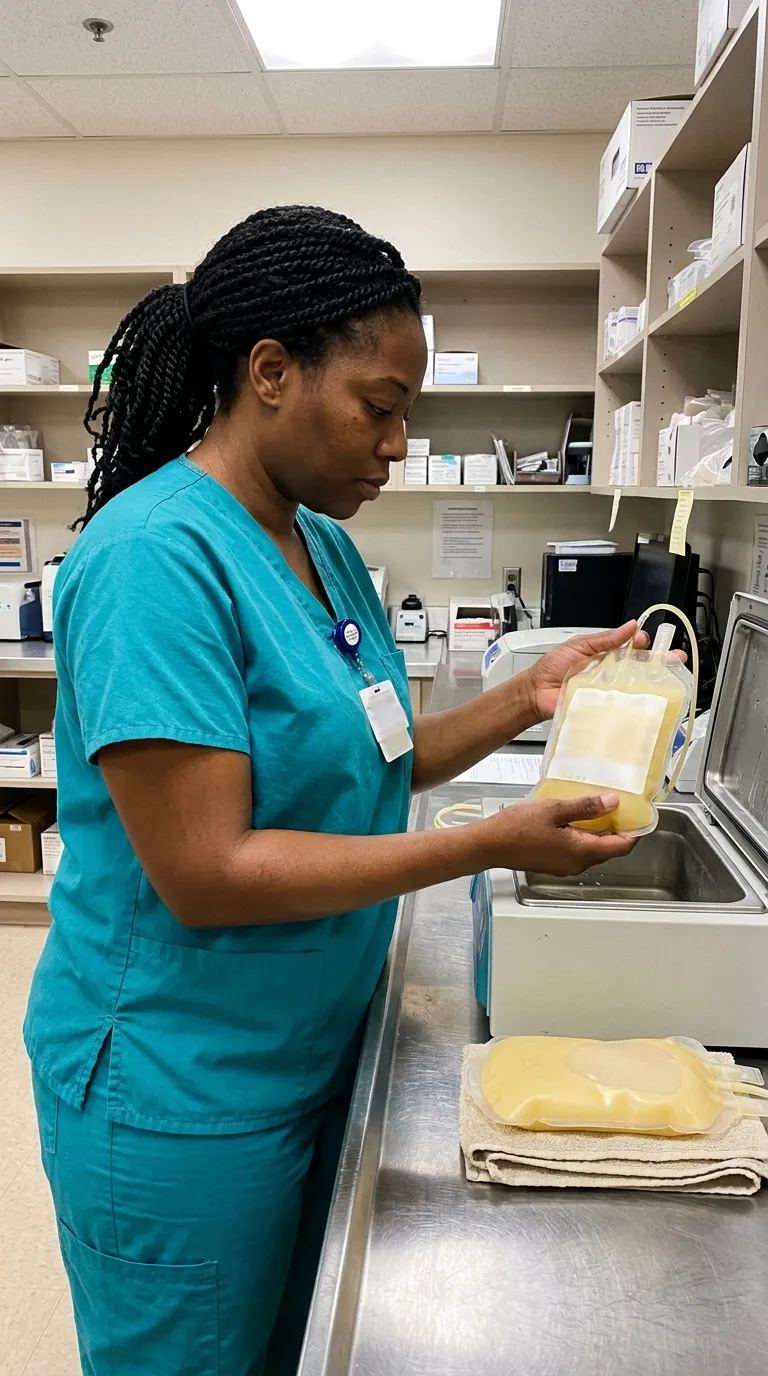
Fresh frozen plasma is the liquid part of blood, frozen within 8 hours of collection so the clotting factors survive. It replaces many factors at once: a coagulopathy with bleeding, DIC, massive transfusion, or a warfarin effect when PCC is not available.
- Storage: at minus 18 degrees C or colder for up to a year; thawing takes 20 to 30 minutes, so order ahead.
- Matching: ABO compatible plasma is required, but no crossmatch; group AB plasma is the universal plasma donor.
- Rh: matching does not apply, because plasma carries no red cells to sensitize the patient.
- After thawing: transfuse within 24 hours, while factors V and VIII are still strong.
Safety note: the first 15 minutes carry the highest reaction risk with any product on this list. Start slow, stay with the patient, and at the first sign of fever, flank pain, hives or breathlessness, stop the transfusion and keep the line open with saline.
Platelet Units

Platelets are the small cell fragments that start a clot, pooled from several donations or collected from one donor by apheresis. They are ordered for bleeding with a low platelet count, or before a procedure when the count is too low to clot.
They are also the fussiest product to store: room temperature, 20 to 24 degrees C, with constant gentle rocking, and a shelf life of only 5 to 7 days. That warm storage is why bacterial contamination is the risk examiners attach to platelets most.
Study tip: one shelf picture sorts most storage questions: platelets stay on the counter, red cells go in the fridge, plasma goes in the freezer.
Cryoprecipitate Pools

Cryoprecipitate is the fraction that settles out of plasma as it thaws in the cold, small in volume and rich in fibrinogen, factor VIII, von Willebrand factor and factor XIII. It is ordered when fibrinogen is the piece that is missing.
- Classic call: low fibrinogen in DIC, massive bleeding and obstetric hemorrhage, where fibrinogen falls earlier than other factors.
- Dose effect: each single unit raises fibrinogen by about 5 to 10 mg/dL, which is why units are pooled before they are hung.
- Storage: frozen for up to a year, but once thawed and pooled it must be transfused within 4 to 6 hours.
- Matching and speed: no crossmatch is needed, ABO compatible units are preferred, and the pool usually runs in under 30 minutes.
Albumin Solutions

Albumin is the main protein of plasma, separated out, heat treated and bottled as a 5 percent or a 25 percent solution. The 5 percent form replaces volume; the concentrated 25 percent form pulls fluid from the tissues into the vessels.
Because it is pasteurized, albumin needs no ABO matching and no crossmatch, stores at room temperature, and carries no risk of virus transmission. As the volume shifts, watch for fluid overload, and sit the patient up slowly afterward, since the dizziness risk sits behind a good fall prevention routine on any unit.
Study tip: sort albumin by what it lacks: no cells, no clotting factors, no antibodies, so it never needs a type and cross.
Immune Globulin

Immune globulin is pooled IgG antibody taken from the plasma of thousands of donors. Given into a vein as IVIG, it replaces antibodies in immune deficiency and calms an overactive immune system in conditions such as ITP and Kawasaki disease.
- Matching: it is a plasma product, not a cell transfusion, so no crossmatch or ABO matching is needed.
- Rate: start slowly and step the rate up; most reactions, headache, flushing and chills, track with how fast it runs.
- History check: ask about IgA deficiency, because those patients can react severely to the traces of IgA in the product.
- Watch: kidney function and hydration, especially in older patients and anyone with diabetes or renal disease.
Prothrombin Complex Concentrate

Prothrombin complex concentrate, or PCC, is a small vial holding the four vitamin K clotting factors: II, VII, IX and X. Its main job is urgent warfarin reversal, because it restores those factors in minutes, where plasma would cost thawing time and a far bigger volume.
It is given with intravenous vitamin K, since the concentrate wears off in hours while the factors the liver makes under vitamin K cover last much longer. No ABO matching is needed and it stores at room temperature; the watch point is the opposite problem, clots, because you have rebuilt the clotting system on purpose.
Study tip: file PCC as the fast, small answer and plasma as the slow, large one for the exam stem where a patient on warfarin is bleeding now.
Factor VIII Concentrate

Factor VIII concentrate replaces the single factor missing in hemophilia A. It is dosed in units, calculated from the patient’s weight and the target level, and exam questions love that math more than any other product on this list.
- The key number: one unit per kilogram of body weight raises the plasma factor VIII level by about 2 percent.
- Versions: plasma-derived and recombinant products both exist; the recombinant form carries no plasma-borne virus risk.
- Handling: store it refrigerated, let it reach room temperature before mixing, and roll the vial rather than shaking it.
- Half-life: factor VIII lasts about 8 to 12 hours in circulation, so doses repeat around the clock while a bleed is treated.
Factor IX Concentrate
Factor IX concentrate treats hemophilia B, the Christmas disease caused by a missing factor IX. It works like its factor VIII cousin, factor in a vial dosed by weight, but the recovery math is different, and the difference is an exam trap.
One unit per kilogram raises the factor IX level by about 1 percent, roughly half the rise the same dose gives with factor VIII, because factor IX spreads into a larger space in the body. Levels are rechecked after serious bleeds with either product, to prove the target was reached.
Study tip: pair the two numbers in one line and they stick: factor VIII climbs by twos, factor IX climbs by ones.
What you’ll need: for any transfusion here, a blood administration set with its built-in filter, a bag of normal saline for the line, and your vitals kit for baseline and 15-minute checks. Gloves and the two-identifier check round out the setup.
Rh Immune Globulin

Rh immune globulin is an antibody product with a prevention job: it clears stray Rh-positive red cells from an Rh-negative patient’s circulation before her immune system learns to attack them. Those cells arrive during pregnancy and birth, and after miscarriage, amniocentesis or abdominal trauma.
- Standard timing: an injection at 28 weeks of pregnancy, and again within 72 hours after an Rh-positive baby is born.
- Other trigger: Rh-positive platelet units given to an Rh-negative patient who could become pregnant.
- Explaining it: plain words about protecting future pregnancies, borrowed from good therapeutic communication techniques, settle most fears before the injection.
- Limits: it is made from human plasma and given as an injection, not a drip, and it cannot help once sensitization has happened.
Granulocyte Transfusions
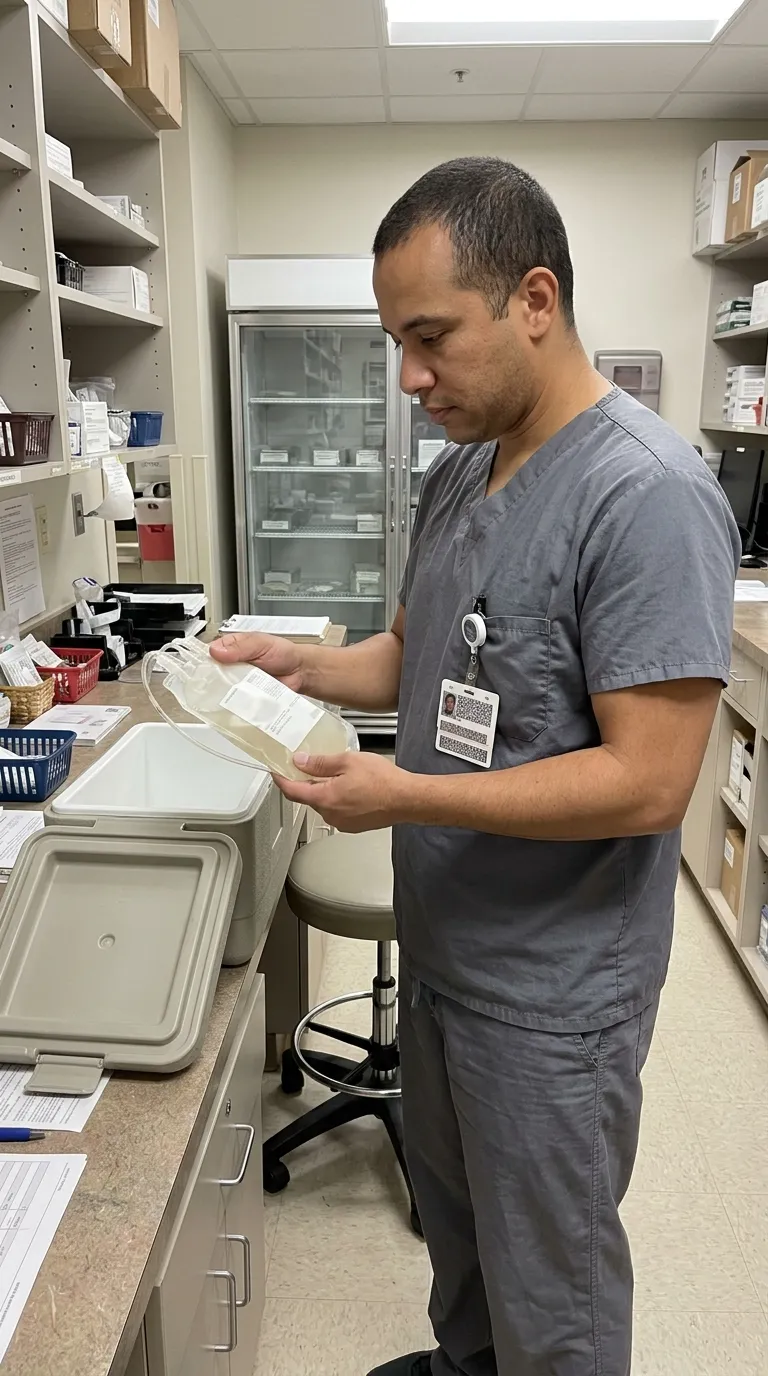
Granulocytes are white cells collected by apheresis, usually from a donor given medicine that pushes neutrophils into the bloodstream. They are reserved for a narrow group: severe neutropenia with an infection that antibiotics alone are not controlling.
They are the most perishable product here, stored at room temperature and transfused as soon as possible, always within 24 hours of collection. They must be ABO compatible and irradiated, and fever and chills during the infusion are common enough that premedication is routine.
Study tip: when a stem makes the white cell count near zero and the infection stubborn, think granulocytes, the one product that brings living defender cells with it.
Solvent Detergent Plasma

Solvent detergent plasma is pooled plasma treated with chemicals that break open the envelopes of lipid-coated viruses, then filtered clean. Pooling evens out the factor levels, so every bag carries the same clotting strength, unlike single-donor plasma.
- Virus safety: the treatment inactivates enveloped viruses such as HIV and hepatitis B and C, lowering infection risk below single-donor plasma.
- Lung safety: pooling dilutes the donor antibodies linked to TRALI, so transfusion-related lung injury is reported less often with this product.
- Storage: kept frozen like other plasma and thawed before use, in ABO compatible groups, with group AB the universal plasma option.
- Uses: the same ground as fresh frozen plasma: coagulopathy with bleeding, massive transfusion, and support during plasma exchange.
Leukoreduced Red Blood Cells
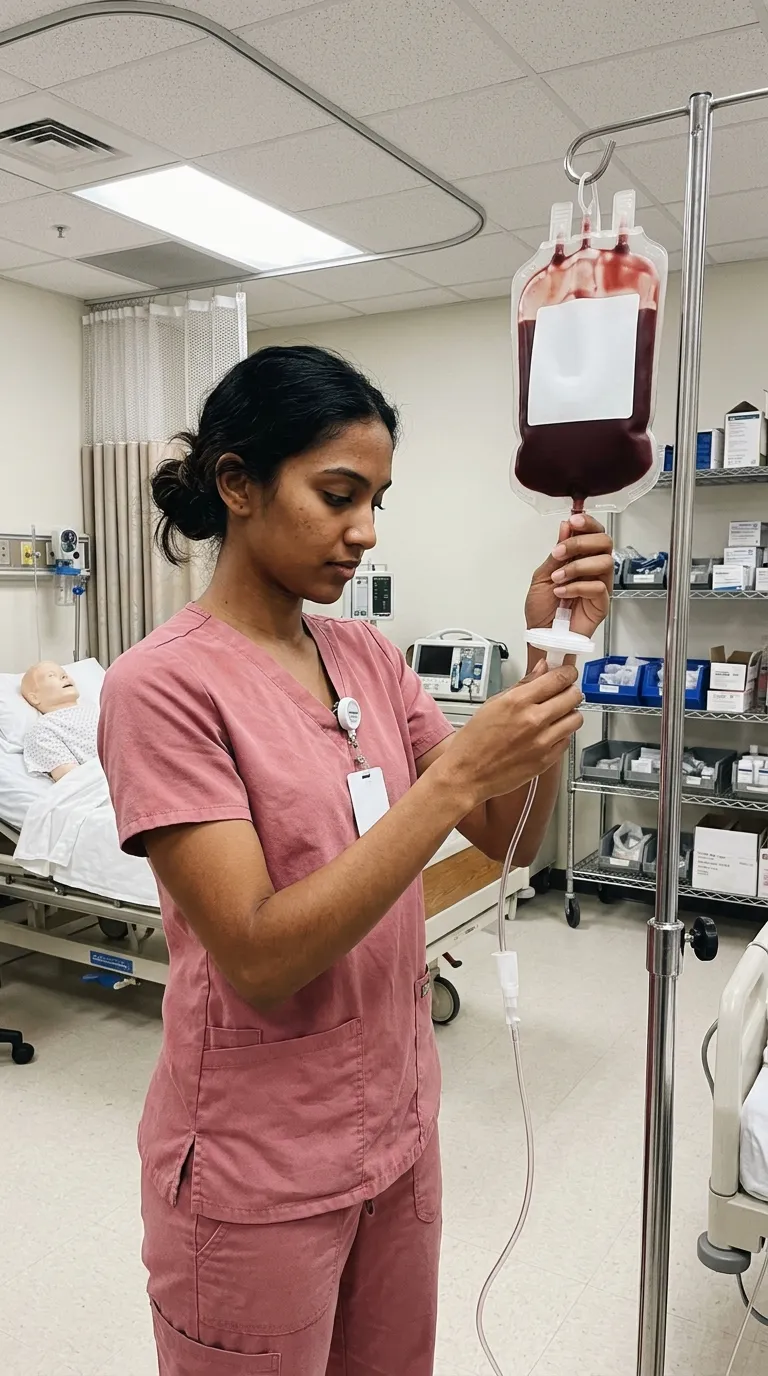
Leukoreduced red blood cells are packed red cells passed through a filter that strips out nearly all the white cells, leaving fewer than 5 million per unit by US standards. The red cell dose the patient receives is unchanged; it is the passengers that are different.
Removing white cells cuts febrile nonhemolytic reactions, lowers the risk of CMV transmission, and reduces HLA sensitization, which matters for patients facing transplant or years of transfusions. Storage matches ordinary packed cells: refrigerated at 1 to 6 degrees C, up to 42 days with additive solution.
Study tip: when an exam patient keeps spiking a fever with every unit, the fix the stem is fishing for is usually leukoreduction, not a different blood type.
Which Step Will You Practice First?
Fourteen products is a lot of bags, bottles and vials, but each one answers one question: which piece of blood is this patient missing? Pick the check you are least sure of, reading a storage label, staying for the first 15 minutes, or the factor math, and drill that one first on your next shift, with the steady habits, hand hygiene included, that standard precautions routines are built on.
Then work the list with a classmate, one product each, saying the indication out loud before you say the name. Which step will you practice first?