
A practiced examiner can check all twelve nerves at the bedside in about five minutes, working in a set order from smell to tongue movement. These notes cover the 12 cranial nerves one by one: what each nerve does, the exact bedside test, and the signs that tell you something is wrong. Learn the test with the name, because that pairing is what exams and clinical instructors ask for.
Work through them in order on your first pass, because the sequence itself is a memory aid: smell, sight and eye movement first, then face and ear, then the throat group, and the tongue last. After that, quiz yourself nerve by nerve using the test steps.
| Course | Anatomy & Physiology |
| Best for | Nursing students learning the neuro exam, plus A&P students before the cranial nerve practical |
| Study time | 15 to 20 minutes |
Olfactory Nerve (Fundamentals)
CN I is the shortest nerve on this list and the only one checked through the nose. It carries smell from the lining of the nose to the brain. Because no eye, face or throat movement shows it, students often skip it, and lose marks when the practical includes it.
- What it is: a sensory nerve for smell only, running from the nasal lining to the olfactory bulb.
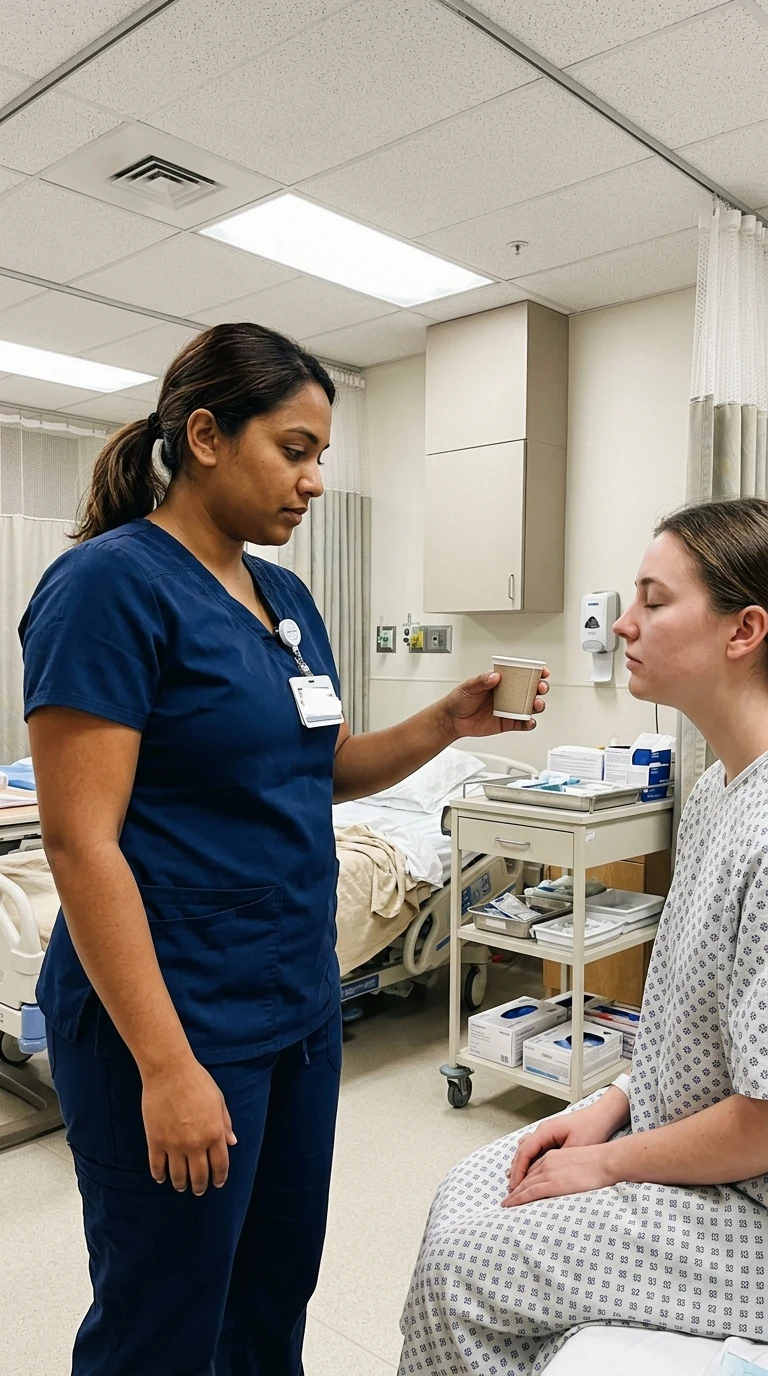
- How to test: with the eyes closed, hold a familiar scent such as coffee or vanilla under one nostril at a time and ask the person to name it.
- Key signs: loss of smell, called anosmia, after head injury, heavy congestion or a viral illness.
- Nursing priority: test each side on its own; one-sided loss is the finding that needs reporting.
Optic Nerve (High Yield)
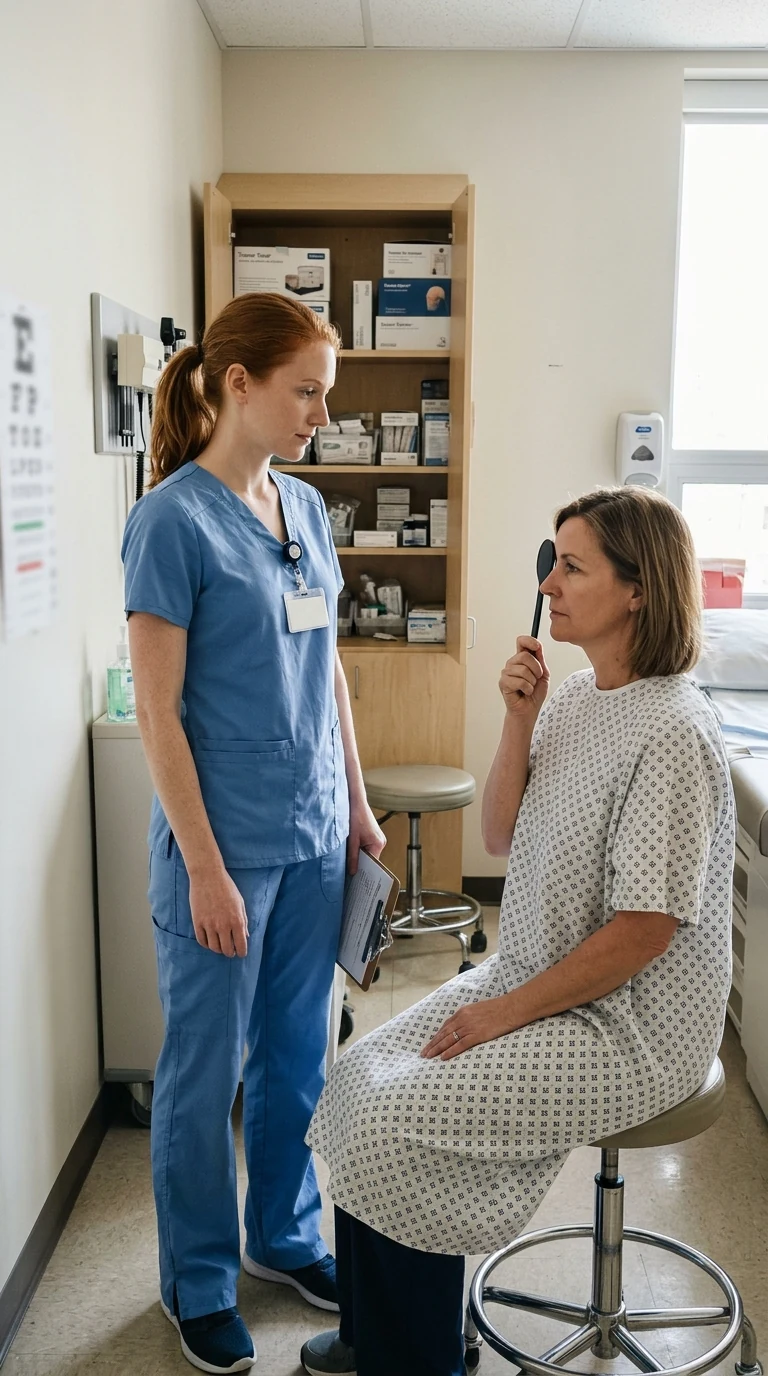
CN II carries vision from the retina to the brain, and two checks cover it: how sharply the eye sees, and how much it takes in from the sides. If chart testing still feels new, the active habits in these effective study tips for nursing students are the same ones that make this check quick to learn.
- Position: sit face to face at eye level in good light, about an arm’s length apart.
- Acuity: cover one eye and have the person read the smallest line they can on a Snellen chart.
- Fields: bring your wiggling fingers in from each edge until the person first sees the movement.
- Compare: repeat with the other eye; a missing patch of vision is the finding to report.
Oculomotor Nerve (Clinical Pearl)
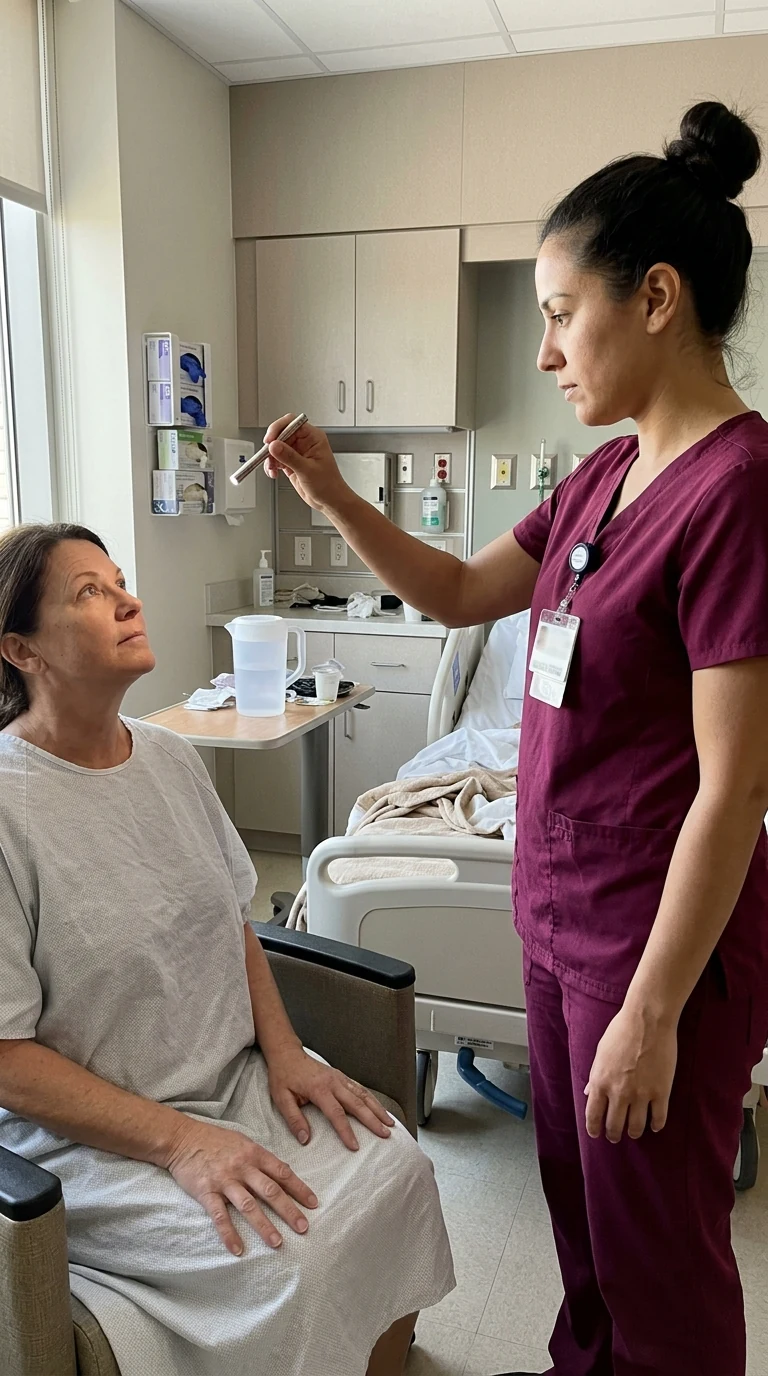
CN III does most of the eye’s moving work and runs the pupil, so one light check here previews three nerves at once. It moves the eye up, down and inward, lifts the eyelid, and tightens the pupil when light hits it.
- What it is: the main movement nerve for the eye; it also opens the lid and constricts the pupil.
- How to test: shine a light in each eye and check that both pupils shrink equally, then have the person follow your finger up, down and in toward the nose.
- Key signs: a drooping eyelid, a pupil that stays wide, or an eye resting down and out.
- Nursing priority: a new wide pupil with a drooping lid on one side gets reported at once.
Study tip: Learn the order with the classic line, On Old Olympus’ Towering Top, A Finn And German Viewed Some Hops, then say each nerve’s test out loud as its name comes up. The test is what the exam grades, not the name alone.
Trochlear Nerve (Easy to Mix Up)
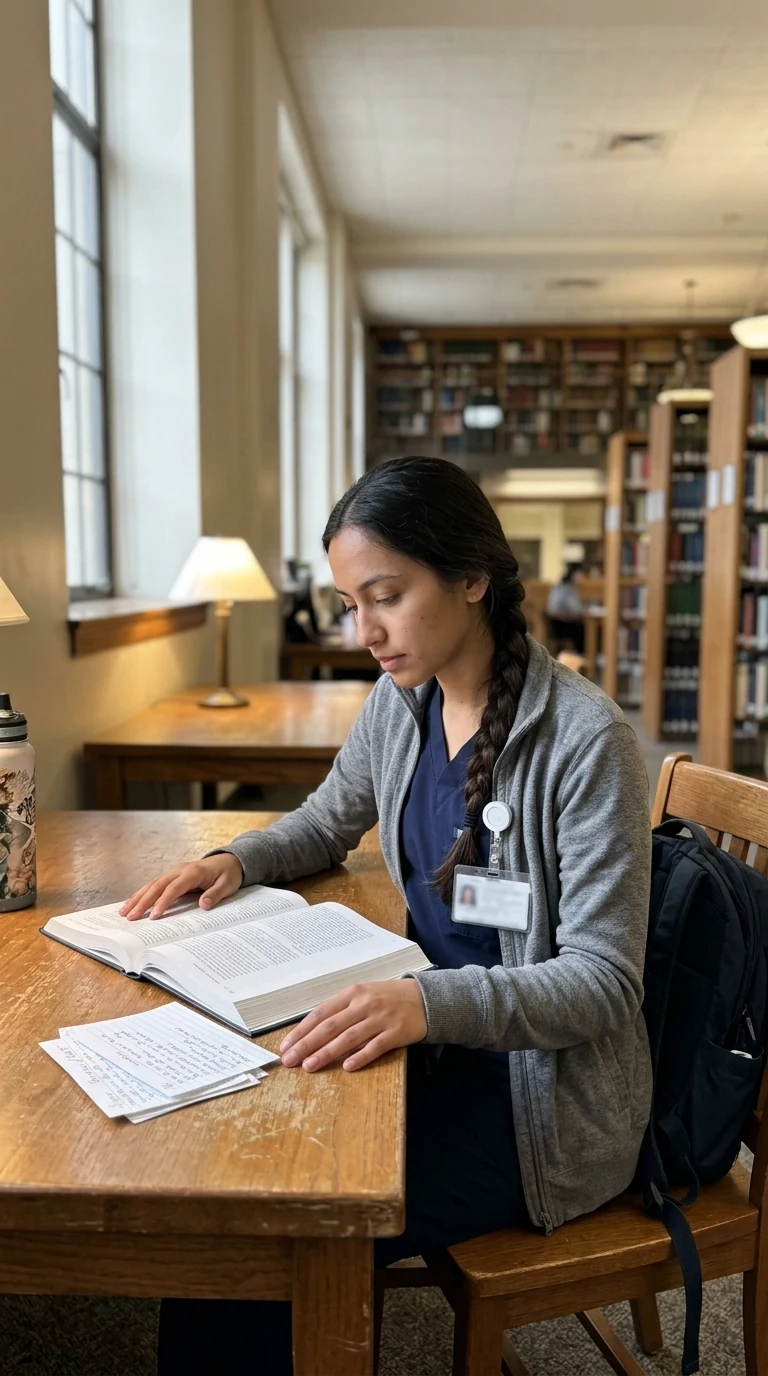
CN IV works a single muscle, the superior oblique, which turns the eye down and in. Its check rides inside the eye movement exam you already run for CN III and VI, so it is easy to forget that this small nerve has its own separate job. When it weakens, the world tilts slightly, and many patients tip the head to one side without knowing why.
- Hold: rest a finger or penlight about a foot in front of the face.
- Guide: move the target slowly down, then in toward the nose, in a smooth arc.
- Track: both eyes should follow together, staying level, with no drift apart.
- Ask: trouble reading, or double vision when looking down, points back to this nerve.
Trigeminal Nerve (Med Surg)
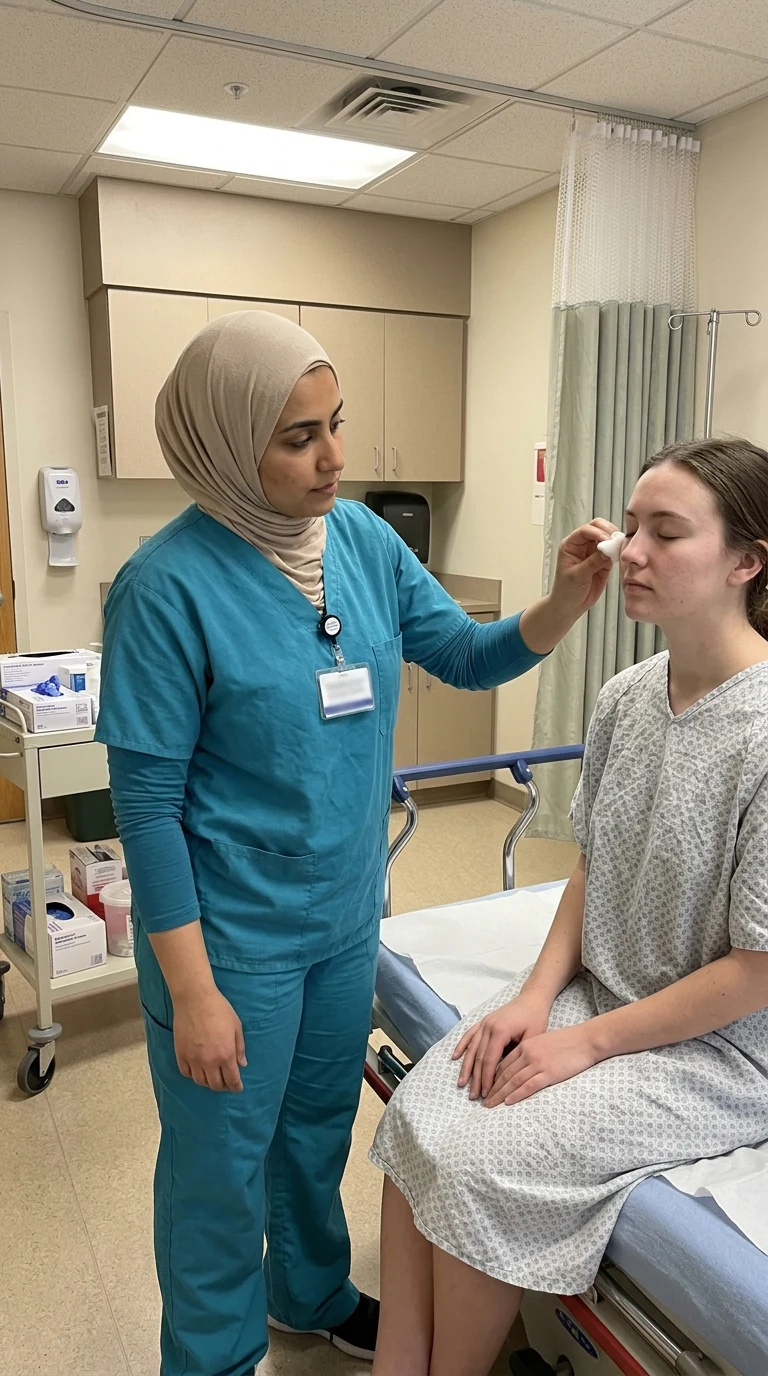
CN V is the largest nerve on this list. It brings feeling from the face through three branches, forehead, cheek and jaw, and it powers the muscles you chew with. The three-branch map is a favorite practical station, so drill it the way these nursing exam preparation tips suggest: one branch, one check, one side at a time.
- What it is: facial sensation in three branch zones, plus the chewing muscles.
- How to test: with the eyes closed, touch forehead, cheek and jaw with a soft cotton tip; then feel the jaw muscles while the person clenches the teeth.
- Key signs: a numb patch inside one branch zone, a weak bite, or a jaw that drifts on opening.
Abducens Nerve (Quick Win)
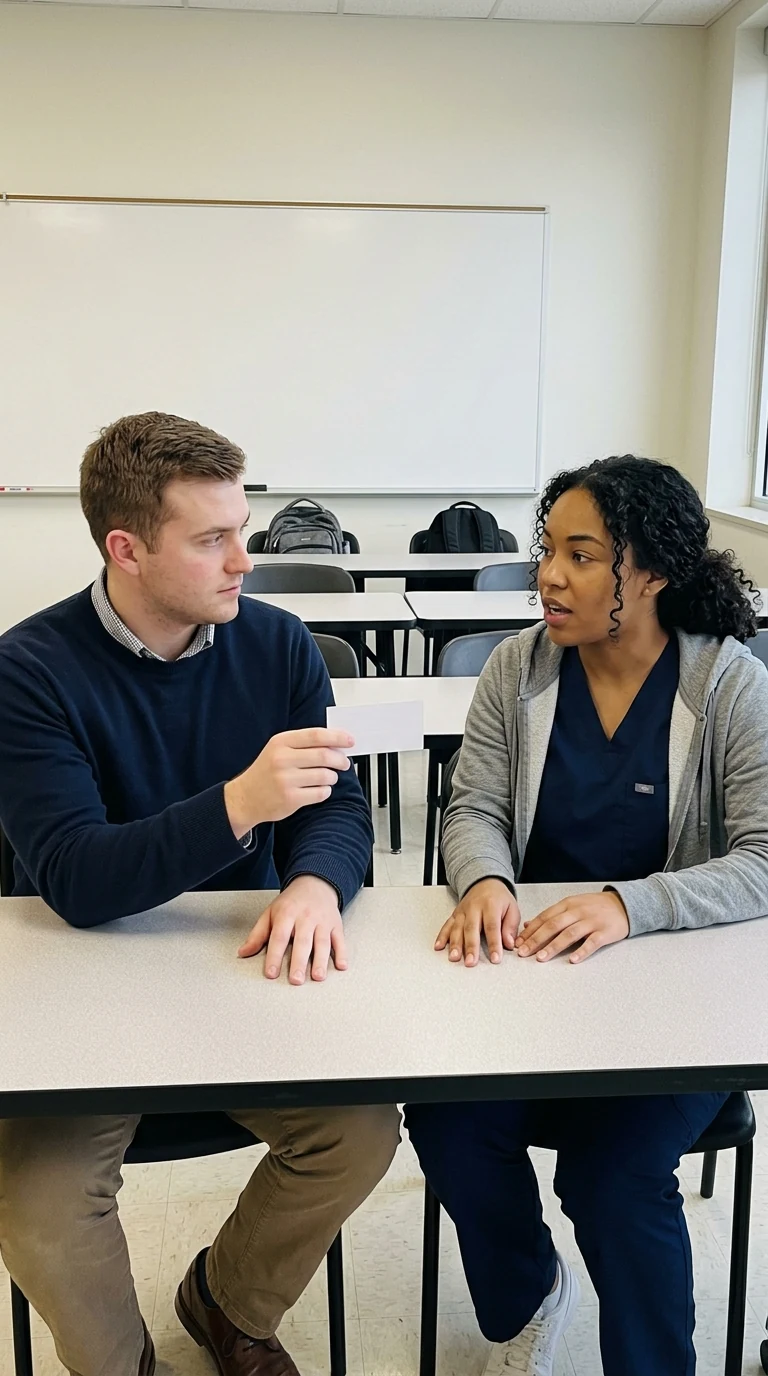
CN VI fires one muscle, the lateral rectus, which pulls the eye outward, away from the nose. It travels the longest path inside the skull of any nerve here, so pressure building inside the head often shows up in this nerve before the others. The check itself takes seconds per side.
- Face: sit opposite the person with your finger held at their eye level.
- Move: guide their gaze slowly out to one side, hold, then out to the other.
- Watch: each eye should travel outward as far as its partner does.
- Note: an eye that stalls near the middle and cannot swing out is the classic finding.
Facial Nerve (Exam Favorite)
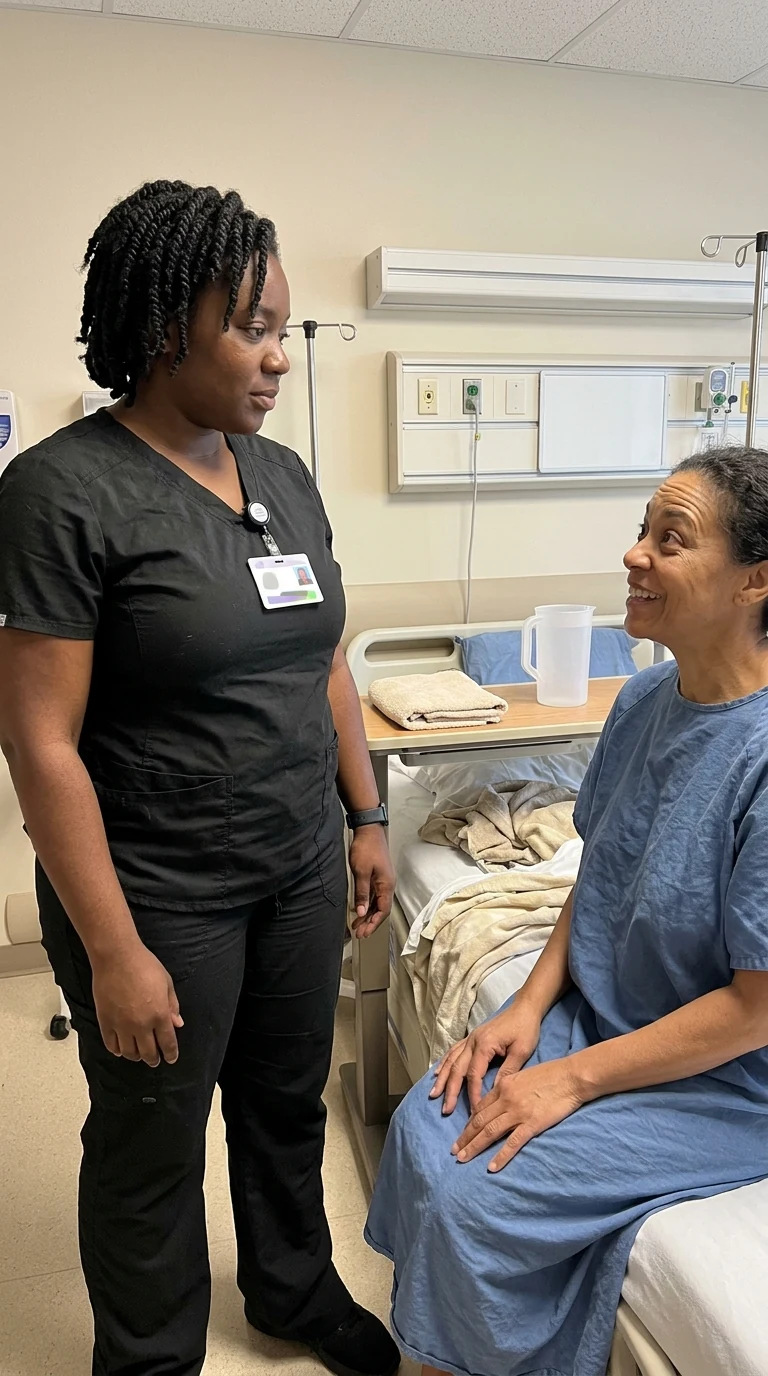
CN VII runs the face you show the world. It moves every expression muscle, carries taste from the front two thirds of the tongue, and feeds the glands that make tears and saliva. It is also the nerve behind the smile check in every stroke screen.
- What it is: the expression nerve of the face, with taste, tear and saliva duties on the side.
- How to test: ask the person to raise the eyebrows, squeeze the eyes shut against your gentle pull, smile wide, and puff the cheeks out.
- Key signs: one side of the face that lags or stays flat, a crooked smile, or an eye that will not fully close.
- Nursing priority: compare the forehead with the mouth; which parts move helps sort stroke from Bell palsy.
Vestibulocochlear Nerve (Fundamentals)
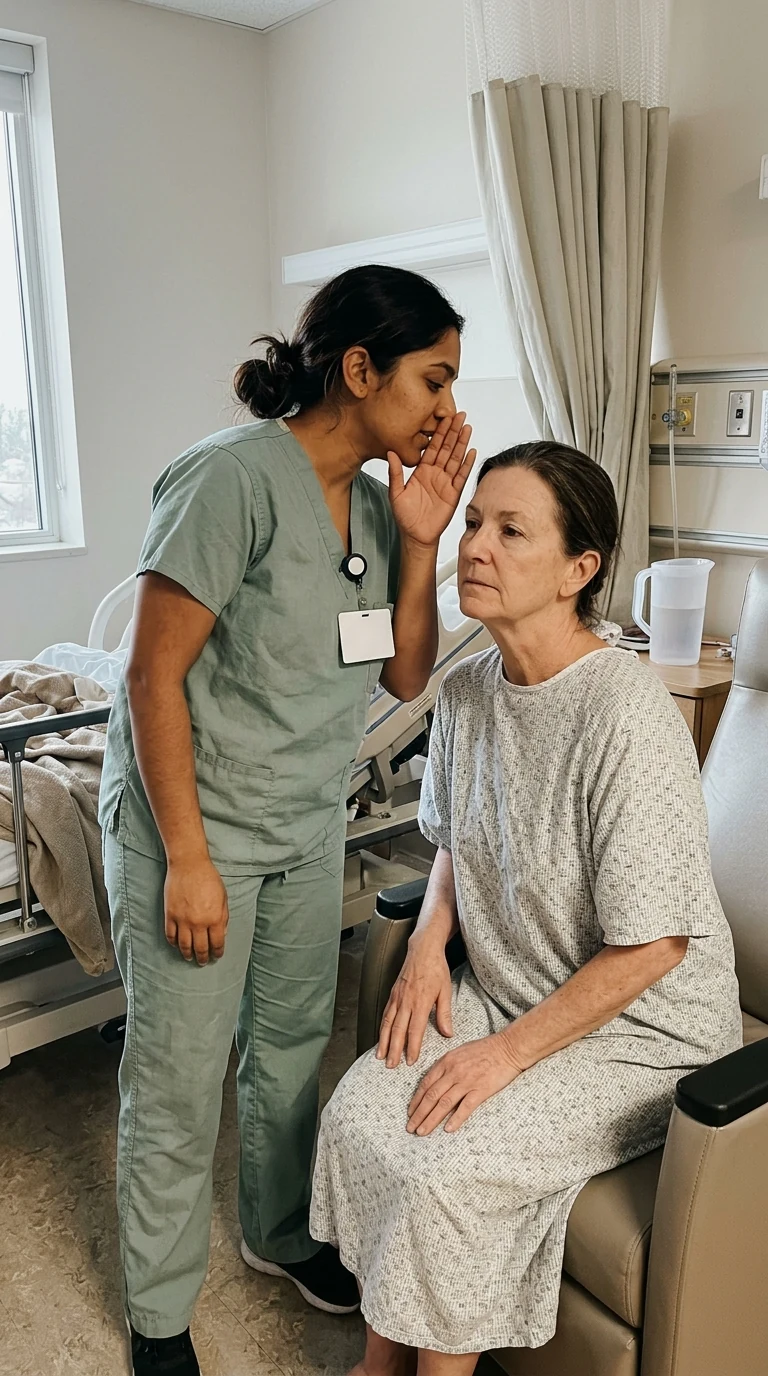
CN VIII brings two senses in from the inner ear: hearing and balance. The hearing check is quiet-room work, one ear at a time, and it rewards a slow routine. You will find the same advice in these nursing school tips for skills days: practice the sequence on a classmate before you ever run it on a patient.
- Quiet: stand beside one ear in the quietest corner you can find.
- Whisper: cover the far ear, then whisper numbers or rub your fingers and ask what was heard.
- Switch: repeat at the second ear and compare the two sides.
- Fork: with a tuning fork, the Weber test sits mid-forehead and Rinne compares air with bone.
Glossopharyngeal Nerve (Easy to Mix Up)
CN IX looks after the throat. It carries taste from the back third of the tongue, starts the gag reflex, helps swallowing, and runs a saliva gland, the parotid. In practice it is tested with CN X, since the two nerves share the throat work.
- What it is: taste at the back of the tongue, gag and swallow input, and parotid saliva.
- How to test: watch the person swallow and listen to the voice; test the gag with a tongue blade only where the setting allows; often deferred in practice.
- Key signs: a weak or missing gag, food pocketing in the cheek, or a wet, gurgly voice after swallowing.
- Nursing priority: a poor gag with poor swallowing means aspiration risk; sit the person fully upright for intake.
NCLEX tip: A stem that pairs a weak gag with coughing on fluids is testing CN IX and X together, and the first action is to stop the intake, sit the client upright and notify the provider, not to offer a straw or a smaller sip.
Vagus Nerve (High Yield)
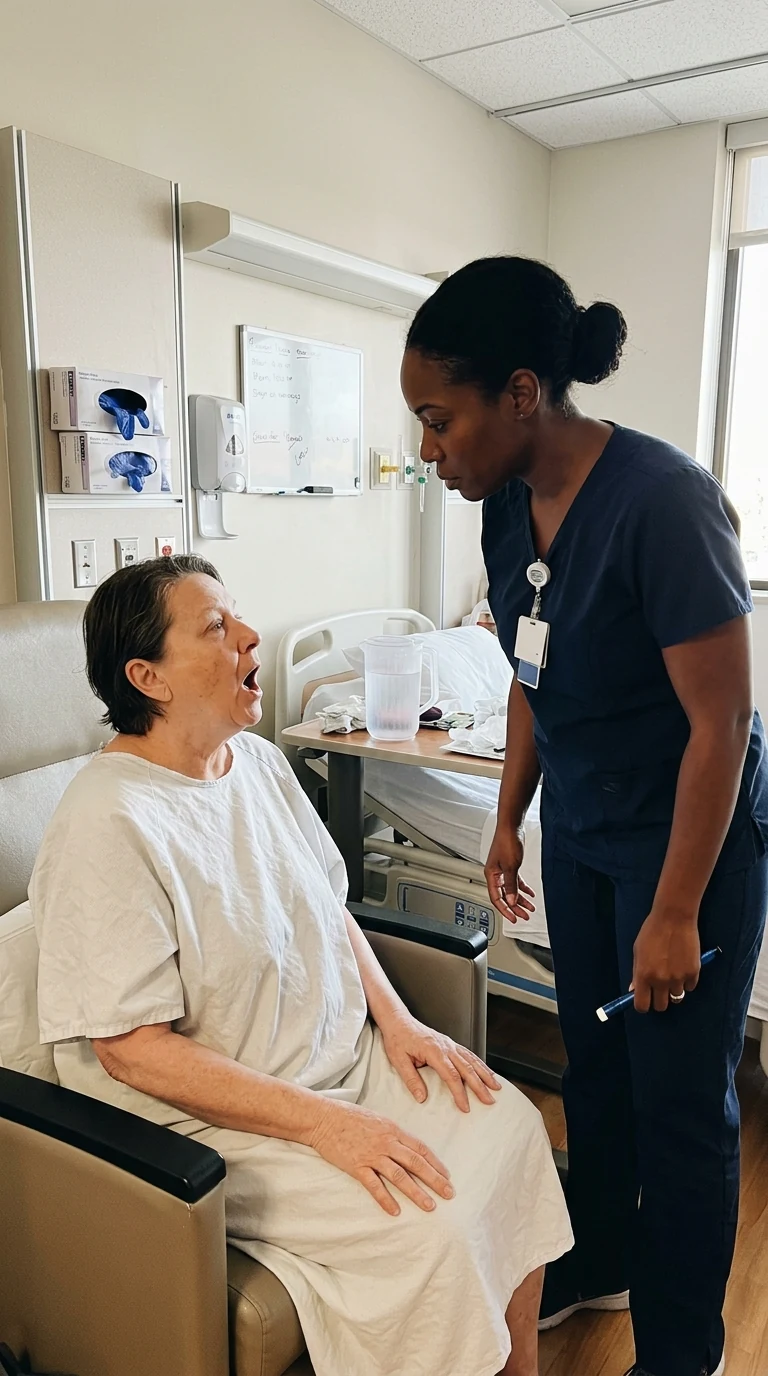
CN X, the vagus, wanders farther than any other nerve here: palate, throat and voice box first, then parasympathetic supply to the heart, lungs and gut. At the bedside you test the part you can see and hear, the palate lift and the voice. A uvula that drifts off center points to weakness on the side it drifts away from.
- Say ahh: have the person open wide and hold the sound for a few seconds.
- Palate: watch the soft palate rise; both sides should lift evenly.
- Uvula: it should stay in the middle, not swing toward one side.
- Voice: listen for hoarseness, and watch a small sip of water go down.
Accessory Nerve (Clinical Pearl)
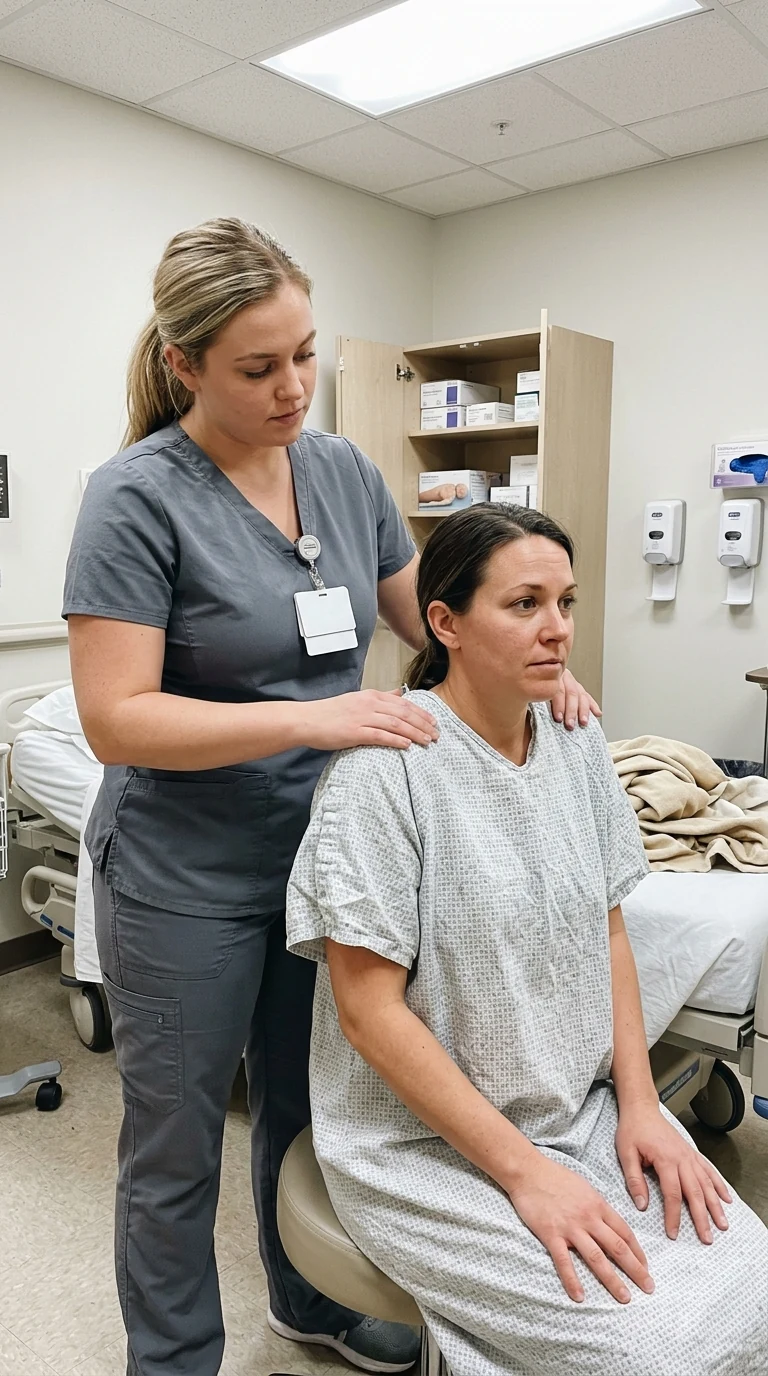
CN XI is a pure movement nerve for two large muscles: the sternocleidomastoid in the neck and the trapezius across the shoulders. Its two checks are the easiest on this list to learn, and students trade funny mnemonics and songs for the nerve order all the time, the same spirit you will find in these nurse humor memes before a practical.
- What it is: the motor nerve for the sternocleidomastoid and trapezius muscles.
- How to test: have the person turn the head against your hand’s resistance, then shrug both shoulders up against your downward pressure.
- Key signs: a head turn that is weak to one side, or one shoulder that will not shrug level with the other.
Hypoglossal Nerve (Exam Favorite)
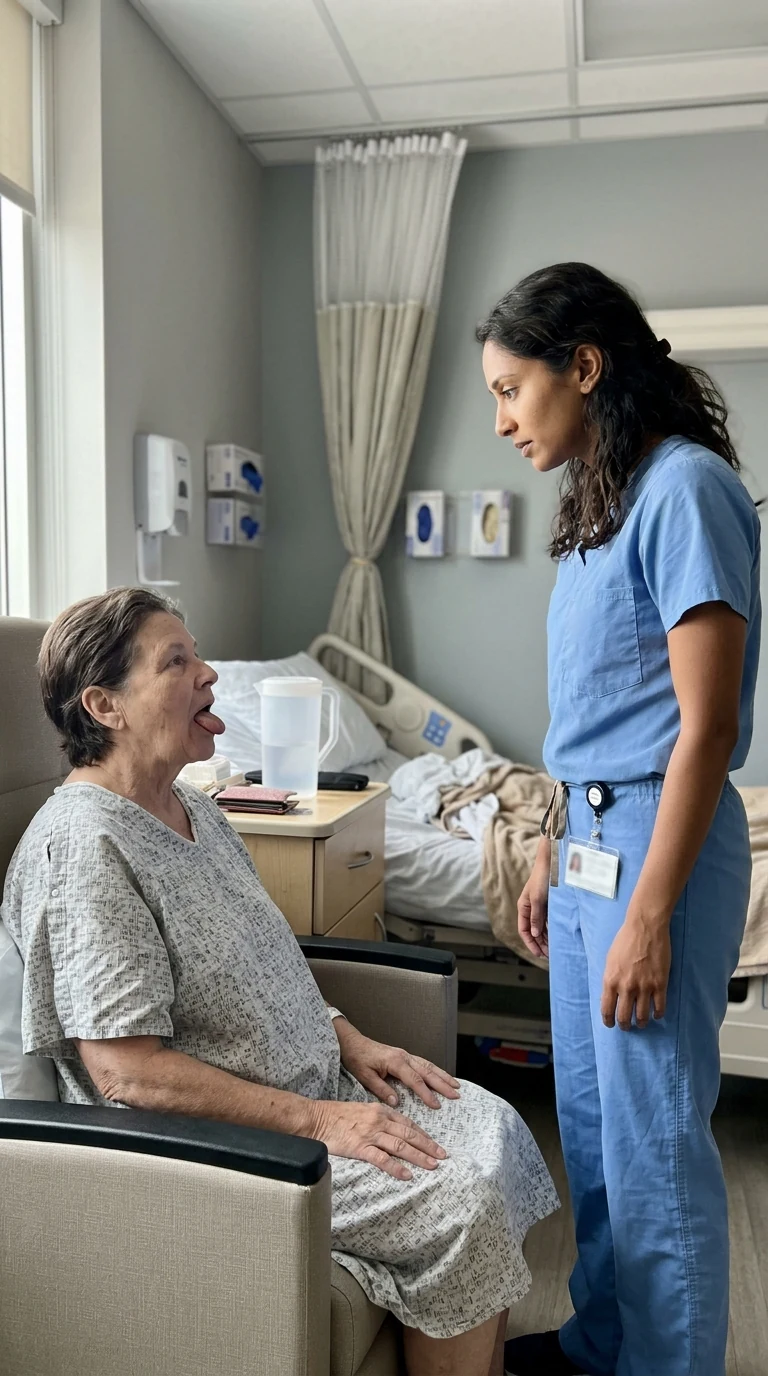
CN XII moves the tongue, the last nerve on the list and the quickest to check. Speech, swallowing and a clear airway all lean on it. Examiners often pair this check with listening to speech, since slurred words can start with a weak tongue.
- Protrude: ask the person to stick the tongue straight out.
- Midline: the tongue should sit in the center, not drift toward either side.
- Move: have them push the tongue side to side, then press it into each cheek.
- Note: a tongue that points to one side points toward the weak side.
The Short Version
If you remember one thing: each of the twelve nerves has one main job and one quick bedside test, and learning the pair together, name with check, is what makes the whole set stick.
Keep a one-page chart with your class notes: three columns for nerve, job and test, redrawn from memory once a week. These nursing school organization ideas show how to file sheets like this by course and exam date, so your neuro page is easy to find the night before the practical.