

The last shift of the rotation ends the way most shifts do: at the nurses’ station, charts closed, your preceptor signing the final skills sheet while the night nurse takes report. You want to say thank you properly. These 12 gifts for nursing preceptors are small, unit-friendly and easy to hand over on a busy floor, and every one fits a student budget.
Timing matters as much as the gift itself. Wait until your final evaluation is signed and your grade is in, so the thank you can never be read as anything else. Check your school handbook and the unit’s policy too: some facilities cap what staff may accept, and a card is always allowed.
A Handwritten Thank You Card

A card costs almost nothing, and preceptors keep them for years, pinned inside a locker door or tucked behind a badge. Write yours by hand, name two or three specific things your preceptor taught you, and mention one moment on the unit that changed how you think about nursing.
Specific beats fancy every time. A plain card that mentions the first IV start she talked you through, or the worried family she helped you update, reads like the truth, and it is the version that stays on the locker door.
Study tip: draft the card the night after your last shift, while the details are still fresh, and hand it over only after your evaluation is signed.
A Coffee Shop Gift Card

Preceptors run on coffee the same way students do, and a small gift card covers a few early morning lattes without any guesswork about taste, size or style. Pick the coffee shop closest to the hospital entrance, the one the whole unit already walks to on breaks.
Keep the amount modest and pair the card with your handwritten note, so the message stays personal instead of transactional. The same idea works for instructors, who may spend the day in the skills lab rather than on the floor and still run on the same fuel.
A Reliable Penlight
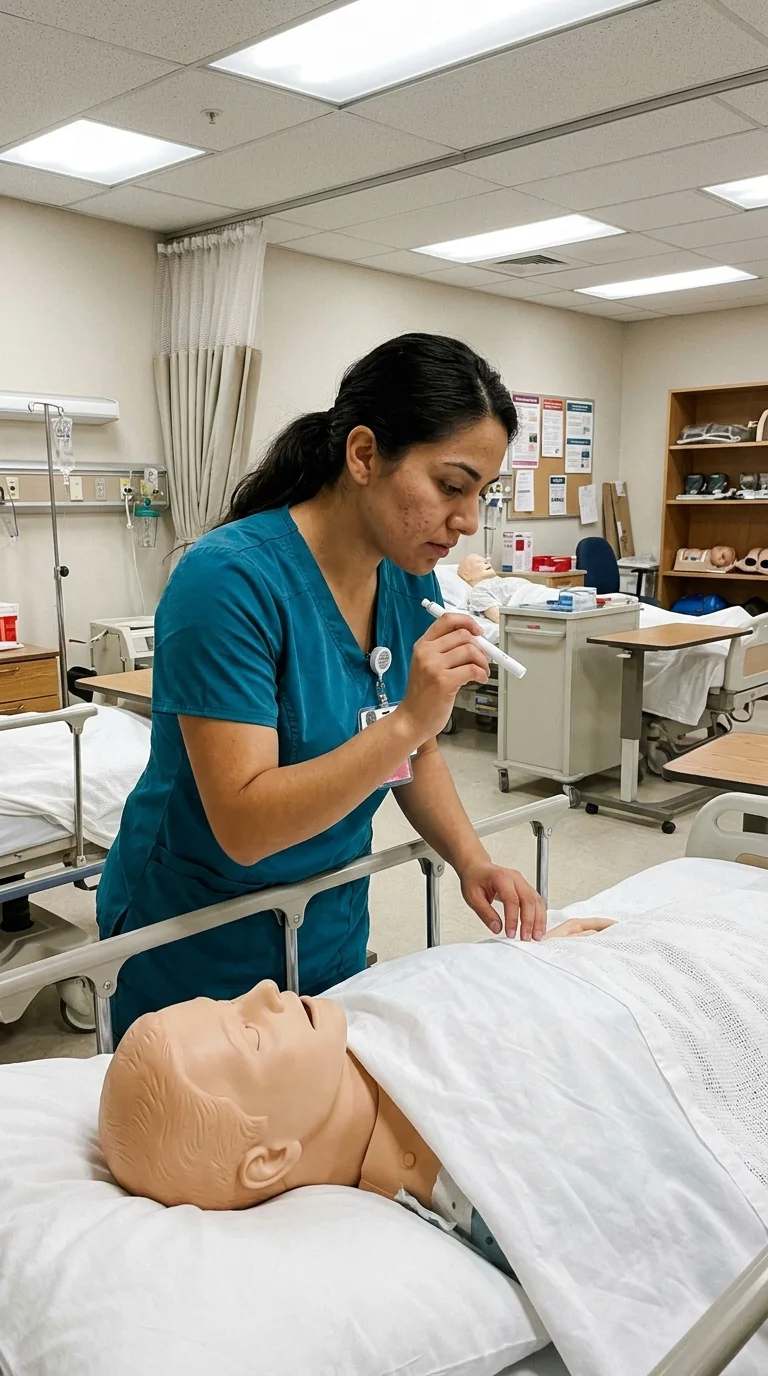
Every nurse carries a penlight, and every nurse loses them in laundry, lockers and other people’s pockets. A sturdy rechargeable penlight with a soft, warm beam is gentle on a patient’s eyes during night checks and still strong enough for a proper pupil check.
It is also a gift that quietly says you paid attention. You watched your preceptor do neuro checks at 2 a.m., round after round, and you noticed the one tool she reached for every single time.
Study tip: pick a penlight with a pupil gauge printed along the side, the same markings you will use on your own neuro assessments.
Compression Socks for Long Shifts
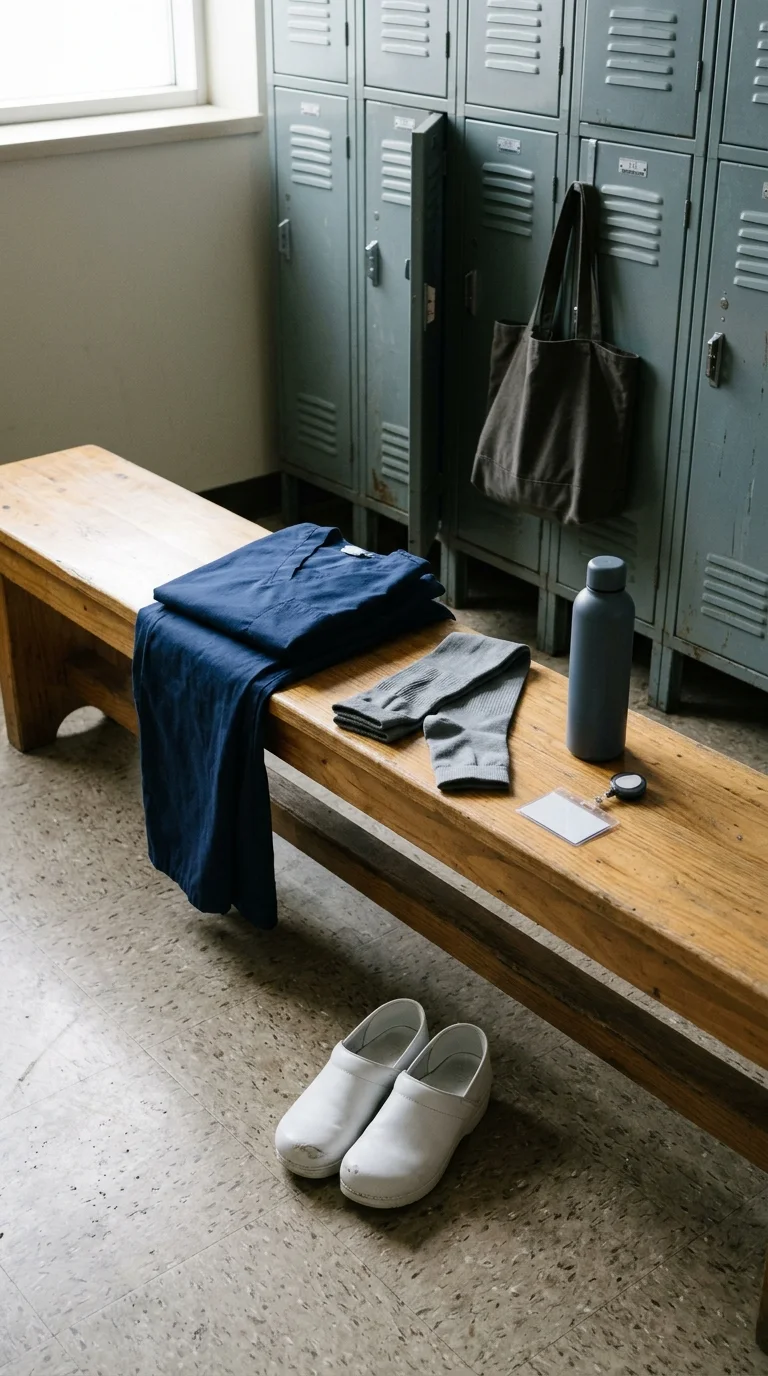
Twelve hours on hard floors leaves legs aching by the last round, and most nurses rely on graduated compression socks to get through a stretch of shifts. A plain pair in a neutral color fits any scrub set and any unit dress code.
Socks are easy to size, easy to wrap and hard to get wrong, as long as you skip loud patterns for a conservative unit. Add one line about surviving your own first full week of clinicals, and the gift lands as one nurse in training thanking the real thing.
A Foldable Clipboard
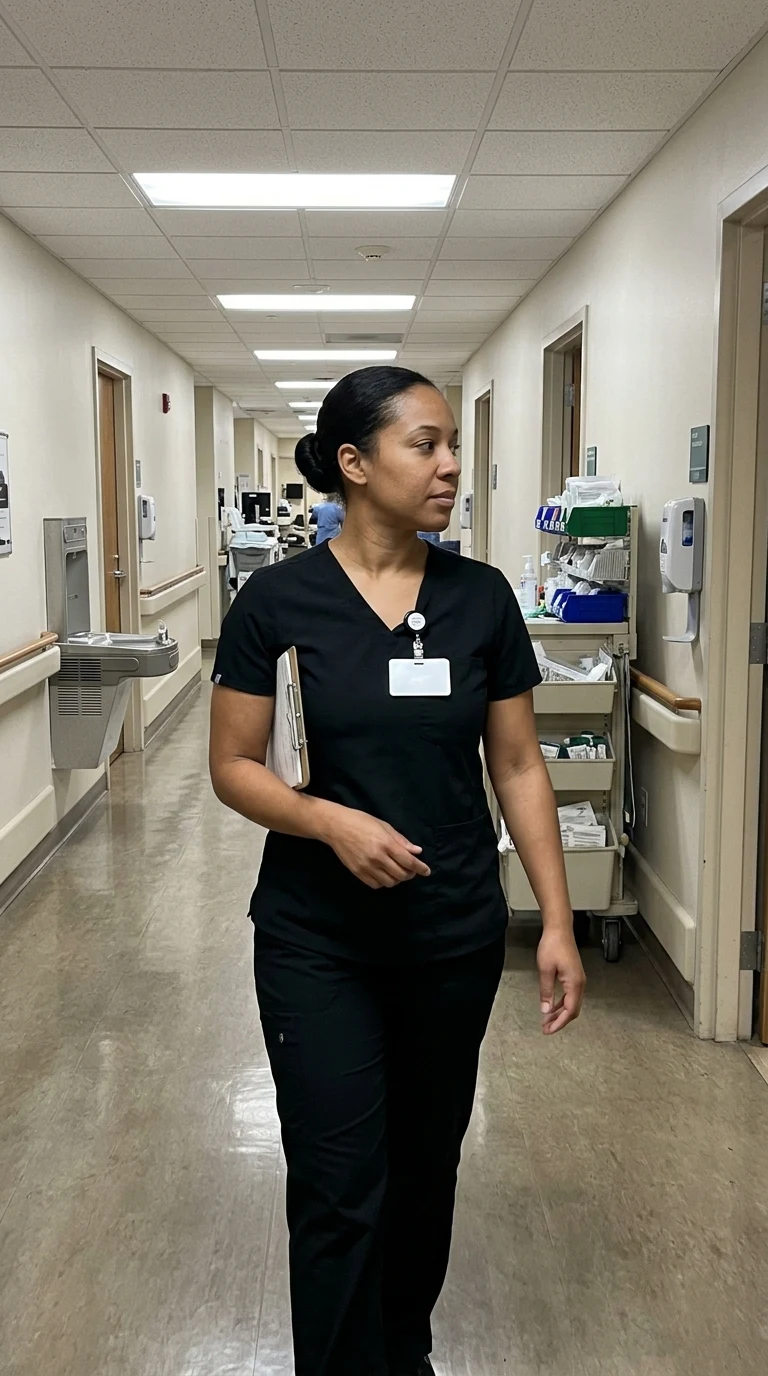
A slim clipboard that folds in half keeps report sheets private in a busy hallway and still fits into a tote or a deep scrub pocket. Students know the design well: it is the same style that anchors a good clinical survival kit, and preceptors wear theirs out faster than almost any other tool they own.
Choose a solid color with a smooth, strong clip that will not snag gloves or gowns. It suits instructors just as well, since they carry skills check-off sheets from bed to bed all day long.
Study tip: slide your thank you card inside the clipboard before wrapping it, so the first thing your preceptor finds is your note.
An Insulated Water Bottle
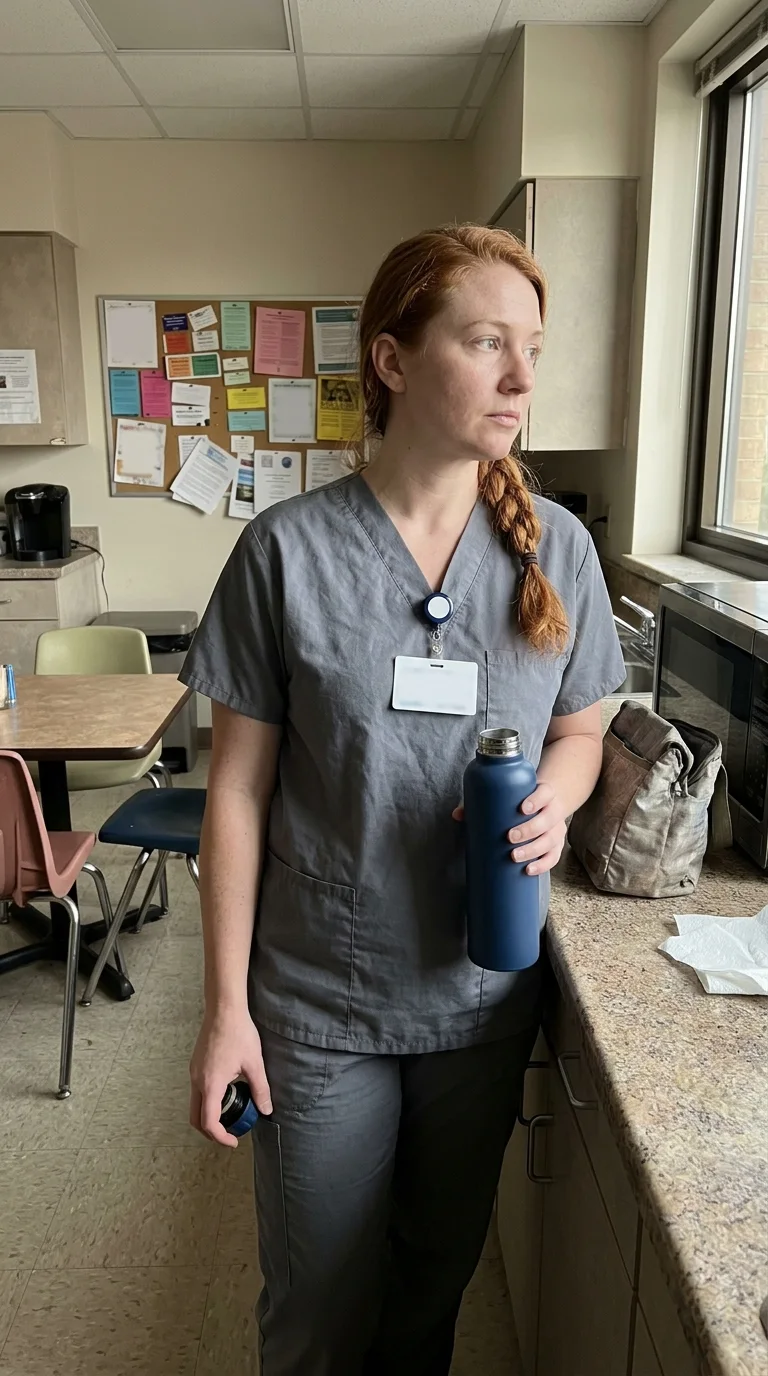
Hydration is the advice nurses give everyone and follow the least themselves. A leak-proof insulated bottle that keeps water cold through a whole shift, with a straw lid that works one-handed, earns a permanent place at the nurses’ station.
Pick a size that fits a standard cup holder and a finish that survives the dishwasher without peeling. Skip printed names and slogans on the side; plain and sturdy reads professional on any unit, for a preceptor of any age.
Unscented Hand Cream
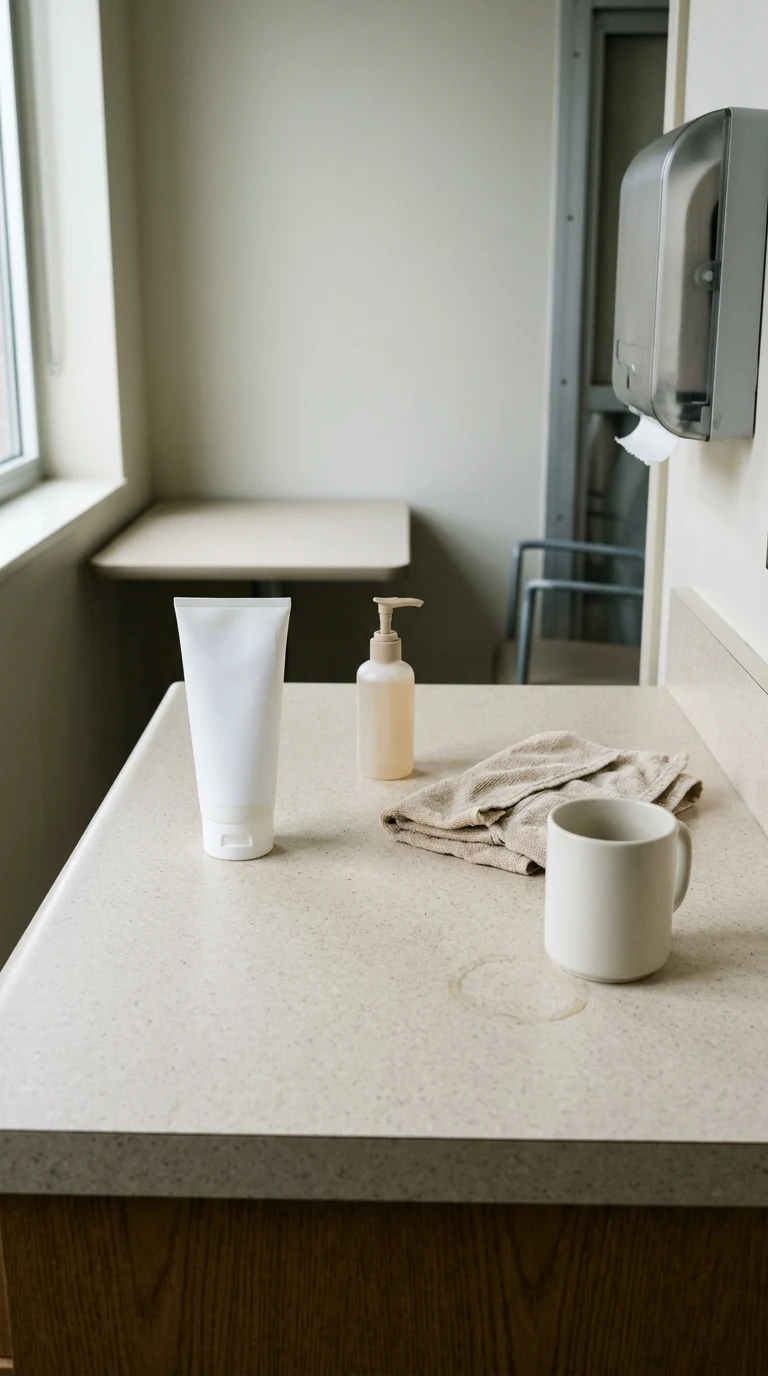
Foam, soap, foam, soap: a preceptor’s hands go through dozens of washes and sanitizer rounds in a single shift, and winter turns that routine into cracked, sore knuckles. A rich unscented hand cream made for frequent washers is a small gift that gets used the same day it arrives.
Unscented is the key detail, not a minor one. Most units ban scented products to protect patients with allergies and breathing problems, so the thoughtful version of this gift is always the plain one in the plain tube.
Study tip: read the label before you buy and choose the tube marked unscented; lightly scented is not the same thing on a respiratory unit.
A Break Room Snack Box
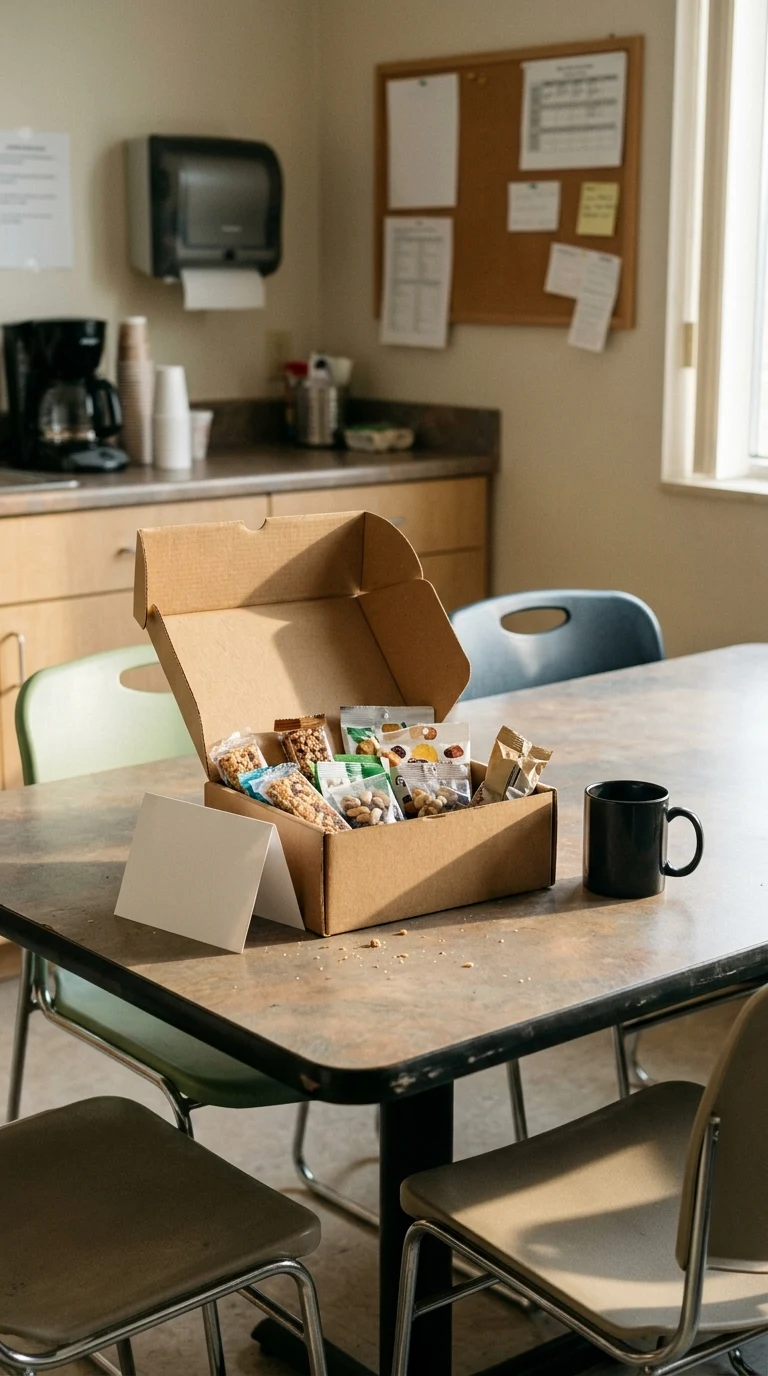
A small box of individually wrapped snacks thanks your preceptor and quietly feeds the whole unit, which is never a bad reputation to leave behind. Fill it with things that survive a locker or a break room drawer: roasted nuts, granola bars, dried fruit and a little dark chocolate.
Check for a sign about food gifts on the unit first, and choose sealed, store-bought items only. Night shift preceptors value the box most of all, since it lands during their hours, when the cafeteria is closed and breaks run short.
A Small Succulent Plant

A succulent in a plain pot brightens a desk, a locker top or the corner of a nurses’ station, and it forgives the watering habits of someone who works three twelve-hour shifts in a row. It also outlasts cut flowers by months, and many units cannot accept flowers near patients in the first place.
Small plants and flowers are a pinning week staple too, handed to instructors right after the pinning ceremony ends. Give yours at the end of the rotation and it joins that same happy tradition.
Study tip: choose a variety that thrives on a windowsill with very little care, and write the watering note on the back of your card.
A Donation in Their Name

Some preceptors would rather see money do real work than sit on a shelf. A small donation in their name to a nursing scholarship fund, a student emergency fund at your school, or a health charity your unit already supports turns a simple thank you into help for the next class coming through.
Print the donation confirmation, slip it inside your card, and write your note around it. This route also solves the policy question completely: where a facility caps or bans gifts for staff, a charitable donation made in someone’s honor is almost always welcome.
A Group Gift From Your Cohort

When five or six students share one preceptor across a rotation, pooling a small amount each buys one nicer gift than anyone could manage alone: a quality work tote, a generous snack spread for the unit, or the group donation described above.
Have every student sign one card, and let each person name something they learned. Instructors who host a whole cohort read those cards closely, because the signatures prove the teaching reached the entire group, not just one grateful student.
Study tip: collect the money and the signatures a full week before the last shift, so nobody is chasing the group chat on the final morning.
A Thoughtful Book About Nursing

A short, well-loved book about real nursing life, the kind nurses pass from hand to hand, suits a preceptor who taught you as much about the profession as about skills. Choose stories and reflections rather than a textbook; this is a thank you, not homework.
Books earn their place on lists of graduation gifts for new nurses for the same reason: they mark a moment and then keep it. Write the date and your name inside the cover, add one line about a shift you shared, and the book becomes a keepsake instead of a paperback.
Quick Questions
When is the right time to give a preceptor a gift?
Give it on your last day or just after, and only once your final evaluation is signed and your grade is recorded. That order protects both of you: the gift reads as pure thanks, never as an attempt to soften a grade, and most instructors will tell you the same.
How much should you spend on a thank you gift?
Very little. The value of these gifts sits in the note, not the price tag, and a small, thoughtful item beats an expensive one every time. Many facilities also cap what staff may accept from students, so keeping it modest protects your preceptor from an awkward policy problem.
What if your preceptor is not allowed to accept gifts?
Then the card carries the whole thank you, and that is enough. Some schools and hospitals limit staff to shared treats or written thanks only. Ask your instructor if you are unsure, or choose the donation route, which honors your preceptor without putting anything in their hands.
What to Plan Next
Thanking your preceptor closes one chapter, and the next one opens fast. Put your pinning date and graduation date on the calendar now, order the gown and the shoes early, and keep this rotation’s thank you habit somewhere safe: preceptors remember kind students, and some of them become your first references, or even your first charge nurse.
Then turn the same planning habit toward your own finish line. If photos are part of the plan, browse graduation picture ideas before the week fills up, and start a daily question bank habit while this rotation is still fresh in your mind. Small steps, taken early, are exactly what carried you through clinicals.