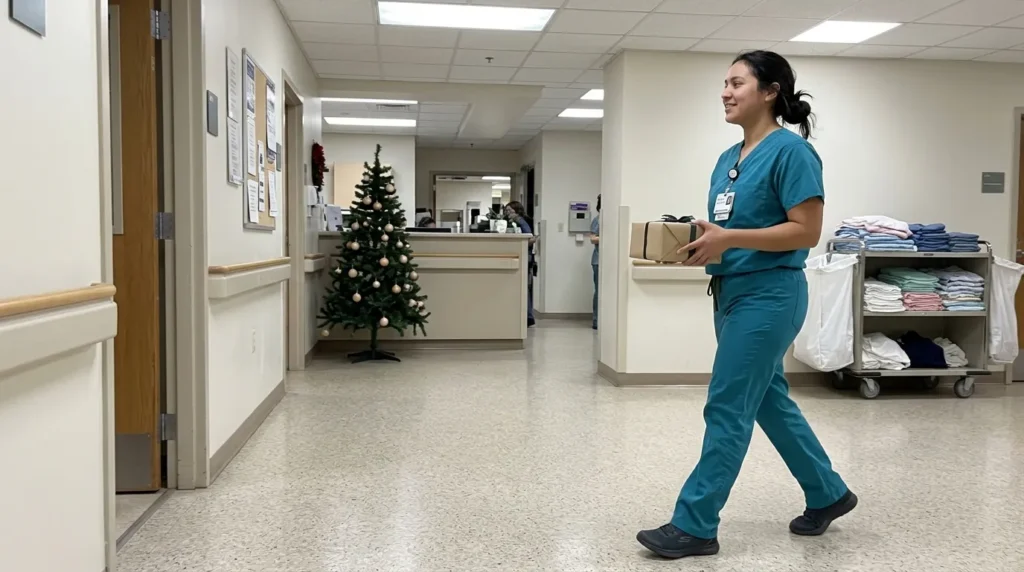

Most novelty nurse gifts are still sitting in a drawer by January. A slogan mug is fun for one morning, then clinicals start again. The mistake is choosing christmas gifts for nursing students by theme instead of by the week the student actually lives: early clinical starts, long shifts on hard floors, and study nights that run past midnight. These 18 gifts skip the novelty shelf.
Every idea below earns its place in a clinical bag, a locker or a study corner, and most cost far less than one textbook. The list runs from daily gear like a stethoscope and compression socks to small festive extras at the end, with notes on what to check before you buy, from dress codes to the fragrance rules most units enforce.
A Reliable Student Stethoscope
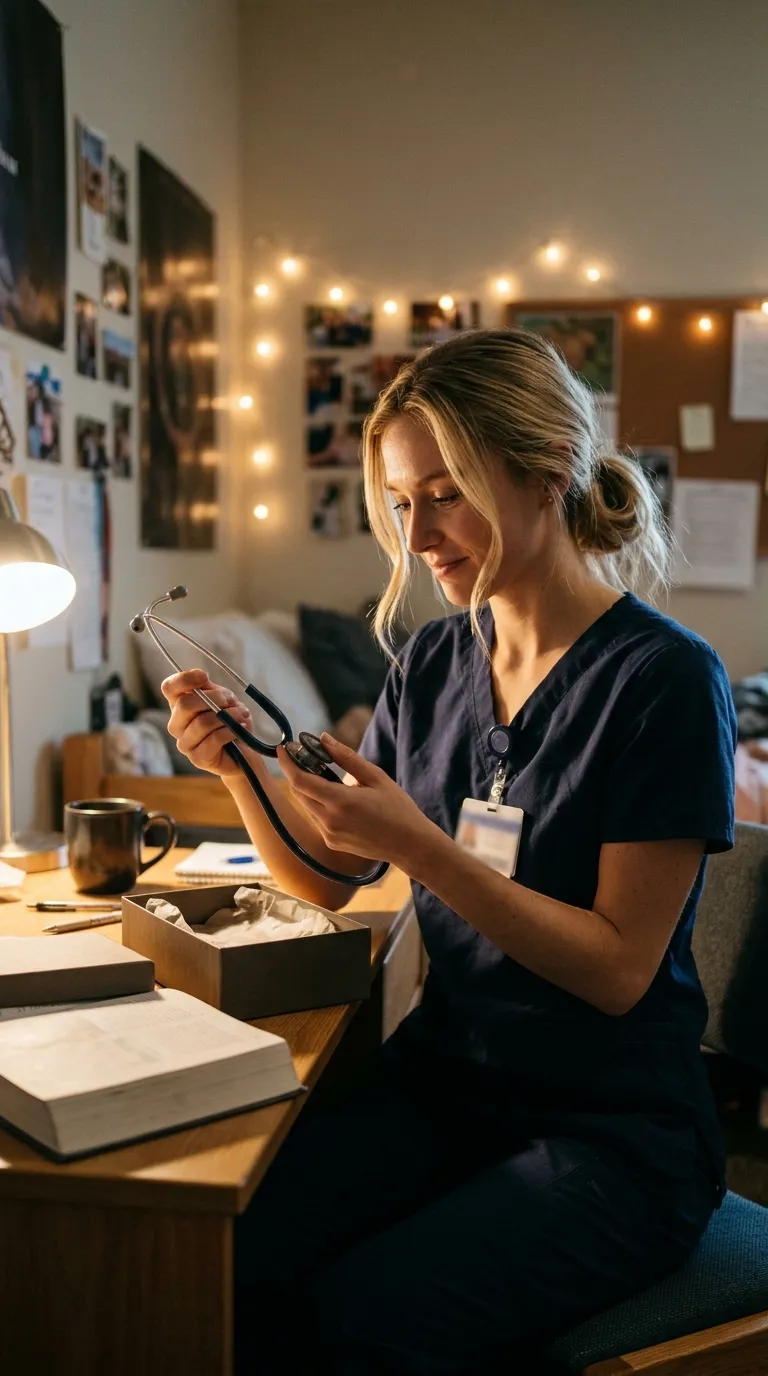
A stethoscope is the one gift a nursing student uses in almost every clinical, lab and skills check-off, so it earns the top spot on this list. A student model with a dual head chest piece lets her practice heart, lung and bowel sounds with a single tool, and thicker tubing cuts down the rubbing noise that hides soft sounds.
Look for a tunable diaphragm, soft sealing ear tips and a warranty that covers the headset, since the earpieces are the first part to loosen. Most solid student models run around $40 to $90, well under the professional lines. Pick a color she can spot fast inside a shared clinical bag.
A Clinical Bag With Pockets
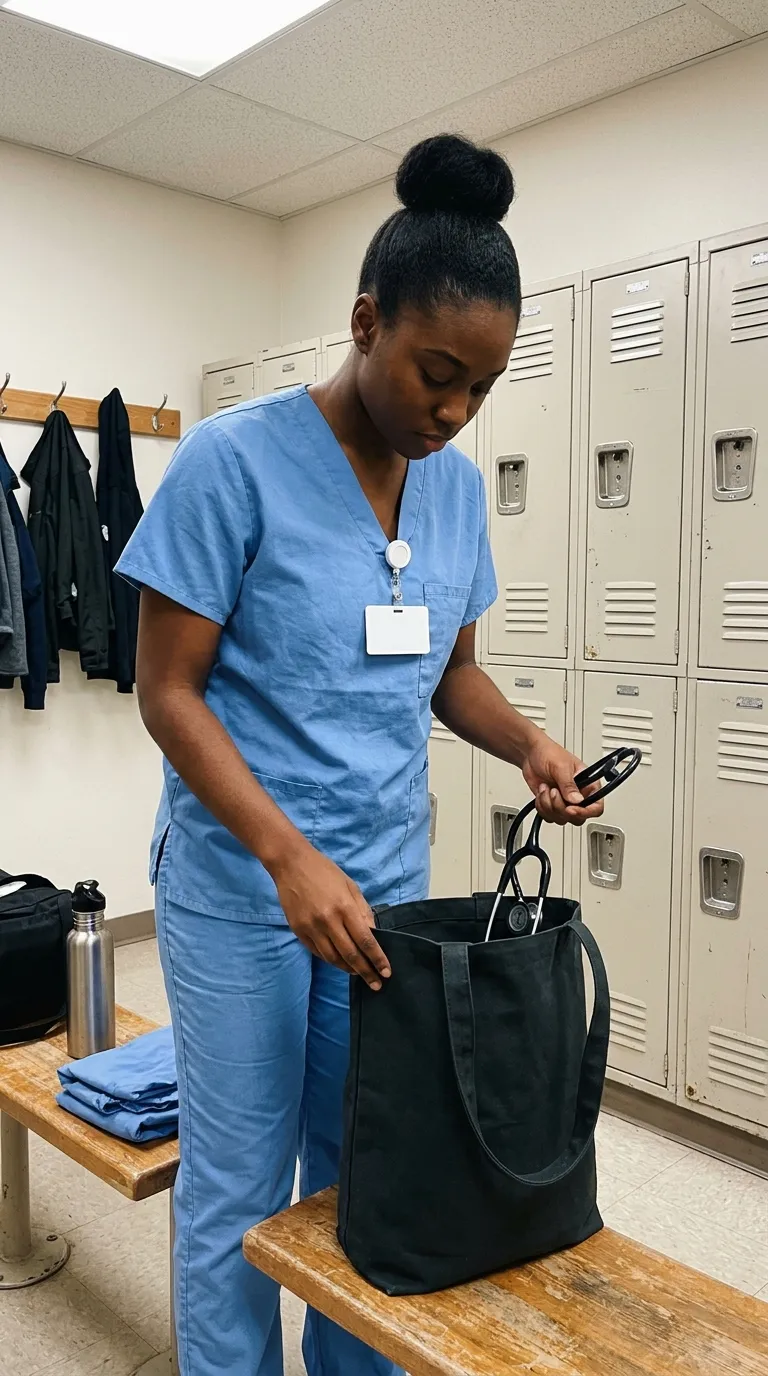
Clinical mornings run on what fits in one bag: stethoscope, penlight, notebook, drug guide, snacks and a spare pair of socks. A structured tote or backpack with real pockets keeps the small tools from sinking to the bottom, and it doubles as her school bag on lecture days.
- Size: big enough for a binder, a water bottle and a scrub jacket, small enough to fit inside a locker.
- Pockets: at least one outside pocket for the badge and pens she reaches for ten times a day.
- Fabric: wipeable inside and out, because the bag will sit on hospital floors and bus seats.
- Compare: the full nursing school survival kit lists what goes inside once the bag itself is sorted.
Compression Socks for Long Shifts

Twelve hours on hard floors leaves legs heavy and ankles swollen, which is why experienced nurses treat compression socks as equipment rather than clothing. Mild graduated compression, around 15 to 20 mmHg, supports circulation through a shift and helps legs feel fresher on the drive home.
Buy two or three pairs so a clean set is always ready, and check the program dress code first: some units want solid colors under scrubs, while others allow the bright patterns that make a good stocking gift. Most pairs run around $10 to $20.
A Penlight Set for Assessments
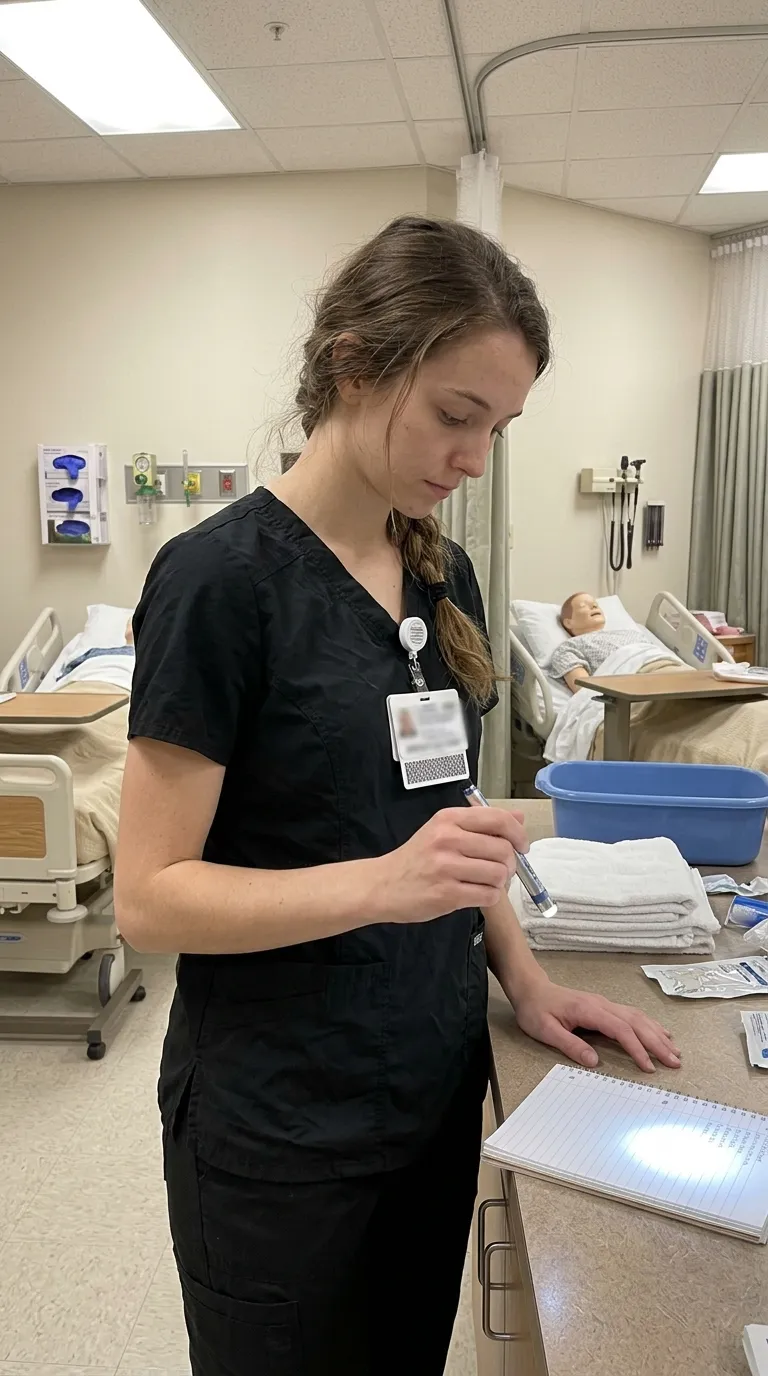
Neuro checks and pupil rounds need a penlight that works every single time, and the cheapest ones vanish or die in the middle of a rotation. A small set of LED penlights is a stocking sized gift that gets used from the first fundamentals lab onward.
- Light: a warm, sealed LED beam is gentler on a patient’s eyes than a harsh white one.
- Gauge: a pupil gauge printed along the barrel helps her size pupils in millimeters during neuro checks.
- Clip and switch: a pocket clip and a push button that will not click on by itself inside a scrub pocket.
- Pack size: sets of two to six run around $8 to $15, so one light can live in every bag she owns.
Black Ink Pens by the Box
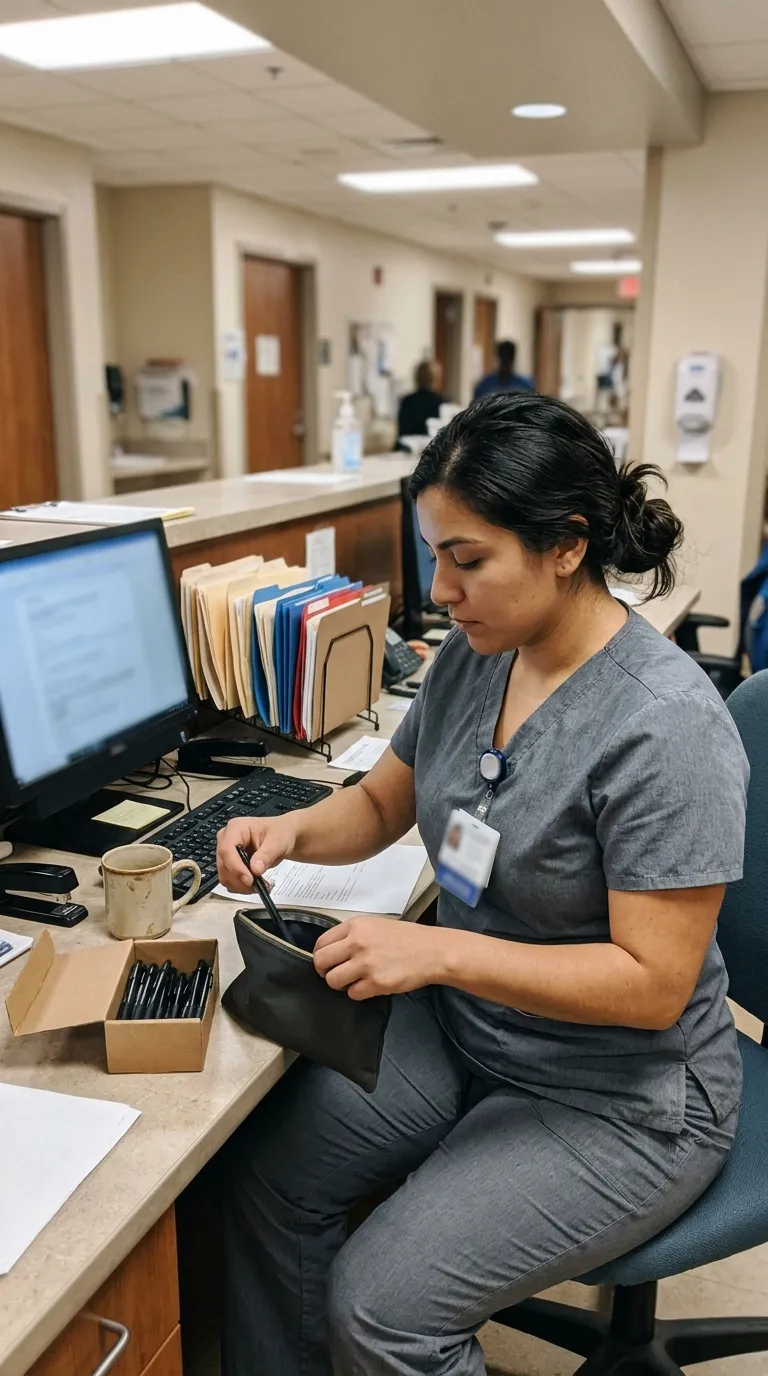
It sounds plain, and it is the gift students are still thankful for in March. Paper documentation at the bedside runs on black ink, pens walk away at every nurses station, and a student who lends hers out needs a box in reserve rather than a single pen.
Choose smooth gel or rollerball pens with a medium point: dark enough to scan cleanly, quick to dry so notes do not smear. A box of twelve runs around $8 to $12. Add a small pen pouch if her program allows one clipped inside the clinical bag.
A Sturdy Badge Reel

Her ID badge has to stay visible, reachable and attached through every clinical, and the reel is the part that always breaks first. A sturdy retractable reel with a strong clip turns a daily annoyance into a small upgrade she notices on every shift.
- Cord: a steel or braided cord outlasts the thin string reels that snap by mid semester.
- Clip: a rotating alligator clip grips scrub necklines and pockets without chewing the fabric.
- Safety: a breakaway style is the safer pick on units that require breakaway lanyards.
- More ideas: the roundup of nurse gifts students actually use covers similar small upgrades that earn their keep.
A Large Insulated Water Bottle
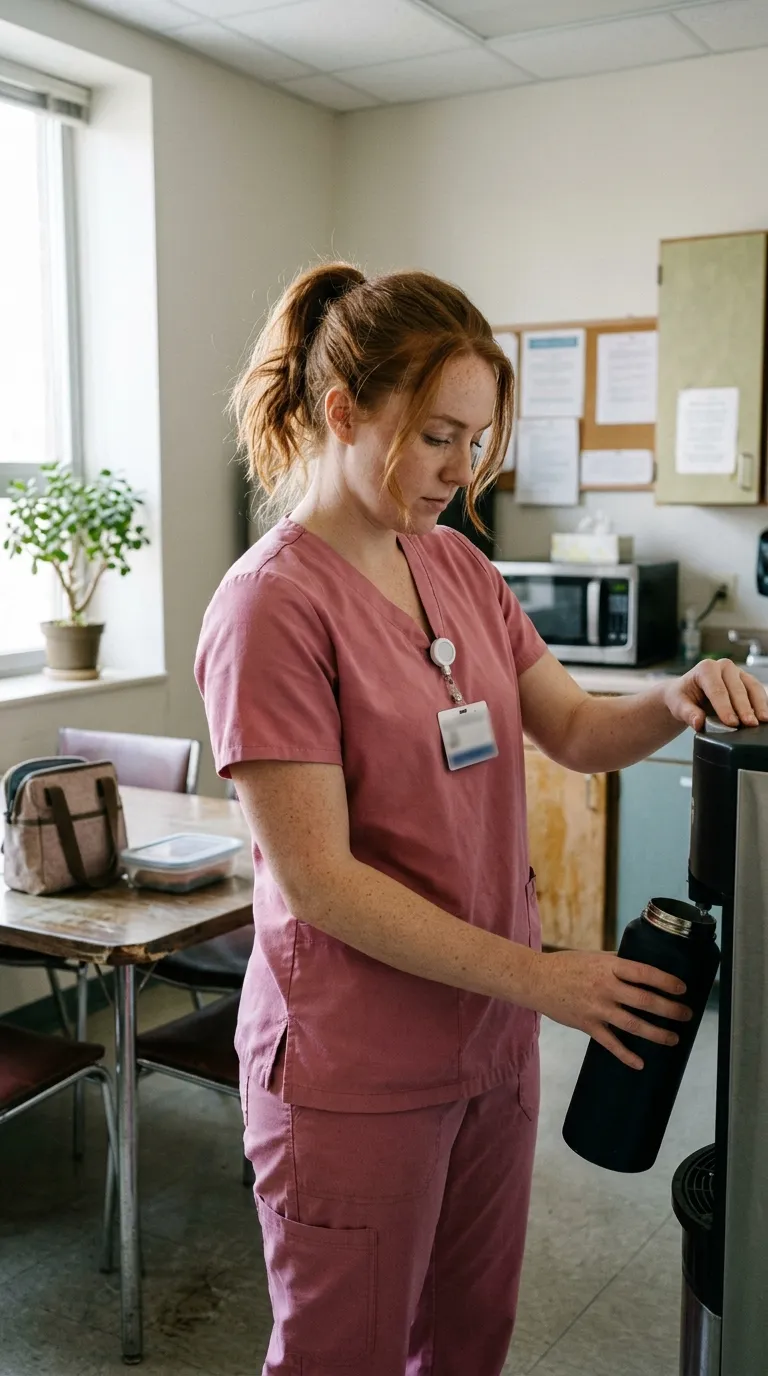
Hydration is the first thing a busy shift steals. A large insulated bottle, around 32 to 40 ounces, means one fill can carry a student through a whole clinical morning, and the water is still cold when post conference starts.
Look for a leakproof lid, a handle that survives being dropped on tile, and a base that fits a car cup holder for the commute. Remind her of the unit rule as you give it: covered drinks only, and only in the areas her facility allows. Most good bottles run around $20 to $35.
A Planner for Rotating Schedules
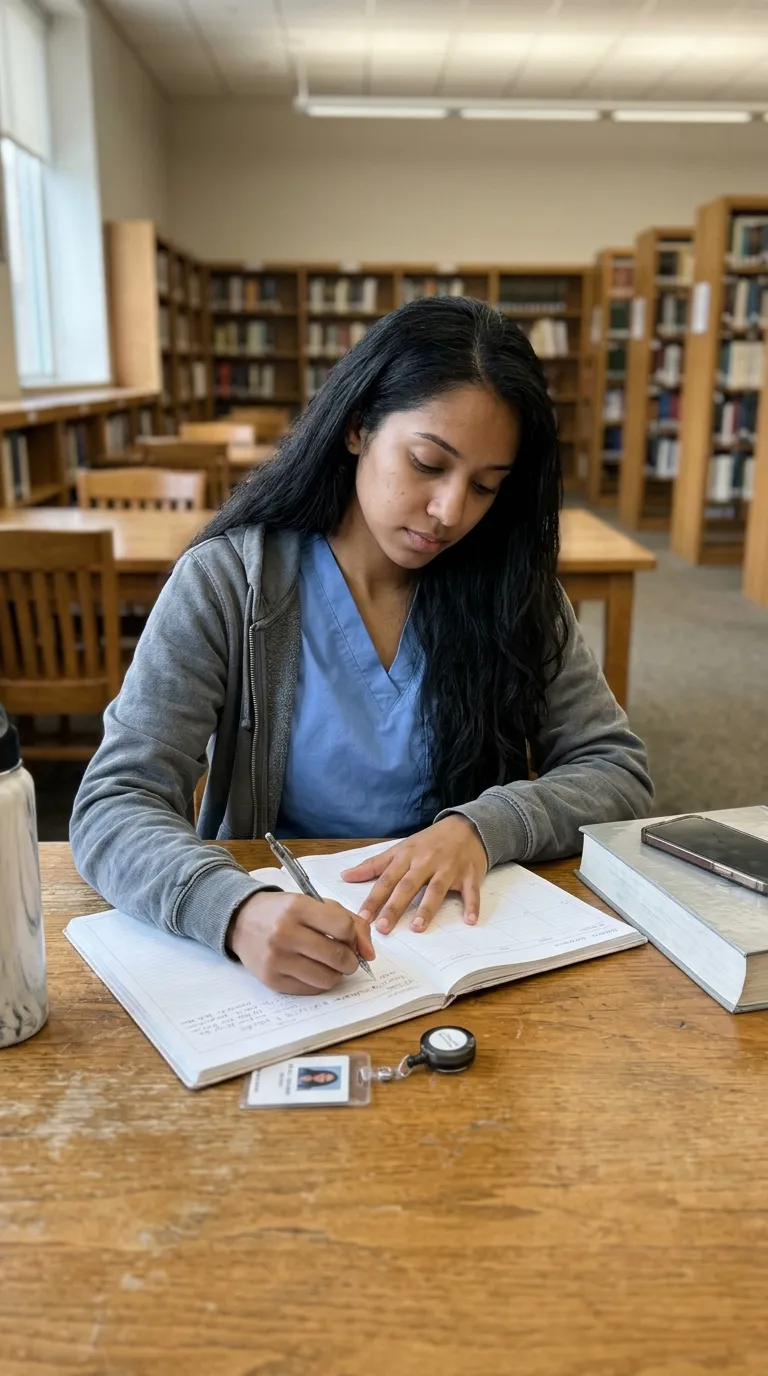
Nursing school runs on two calendars at once: classes and exams on one side, clinical rotations that change every few weeks on the other. A planner with room for both helps her see a heavy week coming before it lands on her.
- Layout: weekly pages with hourly lines fit shift start times, care plan deadlines and study blocks.
- Space: a section for clinical hours, skills signed off and immunization dates saves hunting later.
- Format: undated pages forgive a planner bought mid semester, while dated ones suit a January start.
- Size: an A5 or similar size slips into a clinical bag without crowding out the drug guide.
Study tip: Log each clinical day in the planner the same evening, while the skills and patient details are still fresh. Ten minutes then saves an hour of rebuilding the record before a portfolio deadline.
Thank-You Notes for Preceptors
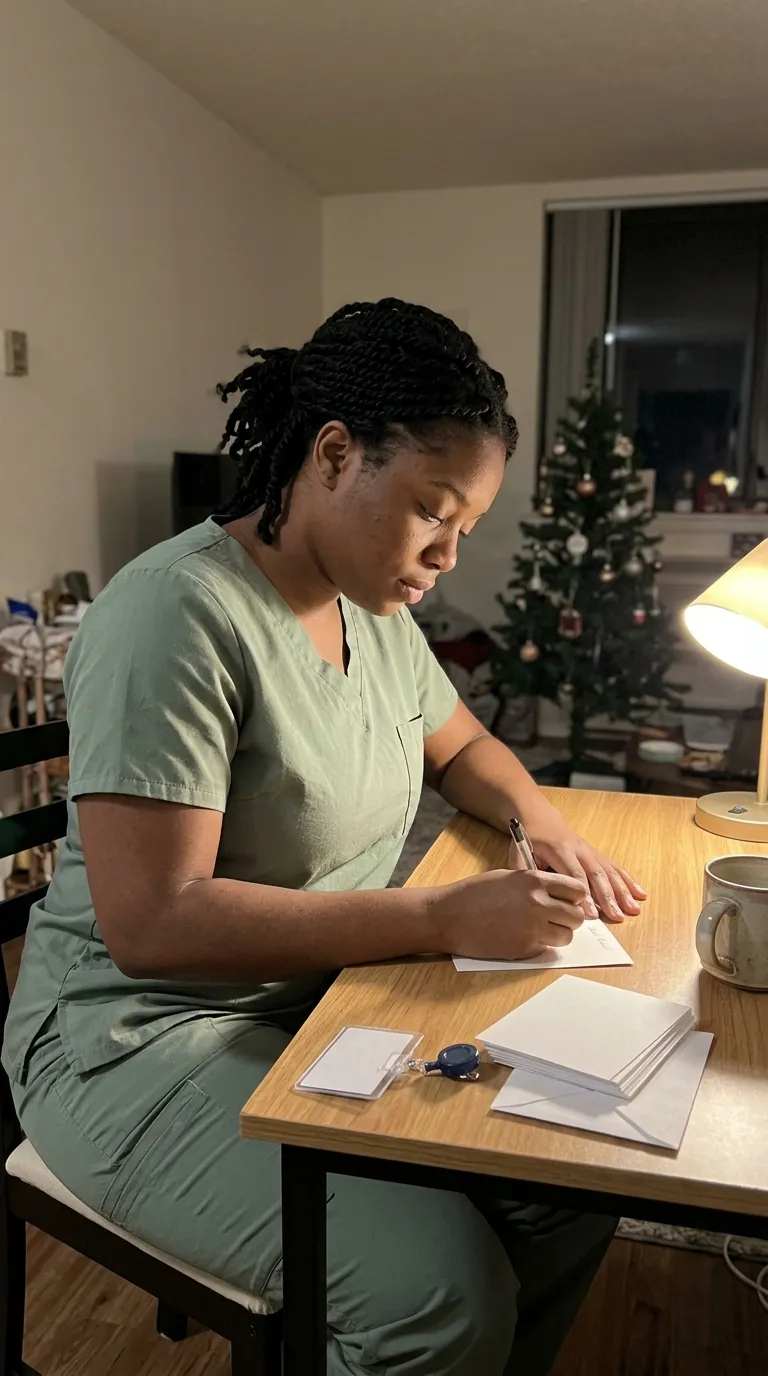
Rotations end fast, and the nurse who taught her all semester deserves more than a wave at the elevator. A boxed set of plain thank-you cards lets her write a short, specific note on the last day, while the details of what that preceptor taught her are still clear.
Choose blank inside cards with simple designs and the envelopes included, around $10 to $15 a box. If she wants to pair the card with something a little bigger, the ideas for gifts for nursing preceptors cover every budget.
Unscented Hand Cream
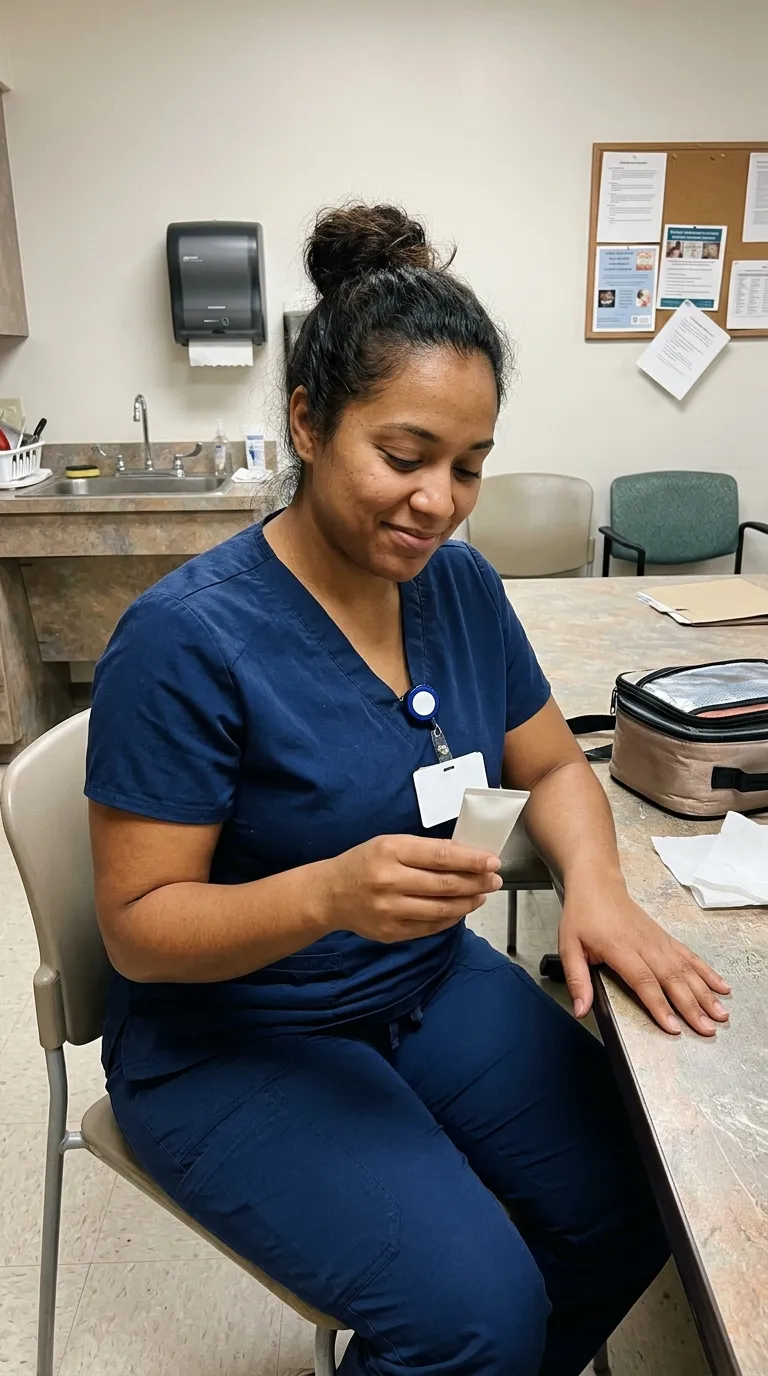
Hospital hand hygiene is hard on skin: sanitizer and soap at every patient room, all shift, all winter. A rich unscented hand cream is the rare self care gift that also follows unit rules, because most facilities run fragrance-free policies for patients with asthma and allergies.
- Scent: truly unscented, not lightly perfumed; read the label before you buy, not after.
- Texture: thick enough for cracked knuckles, yet fast absorbing so her hands are not greasy on charts.
- Size: one tube for the clinical bag and a second one for the bedside table at home.
- Extras: a cuticle oil pen or a plain lip balm rounds out a small winter care set.
A Sleep Kit for Day Sleepers
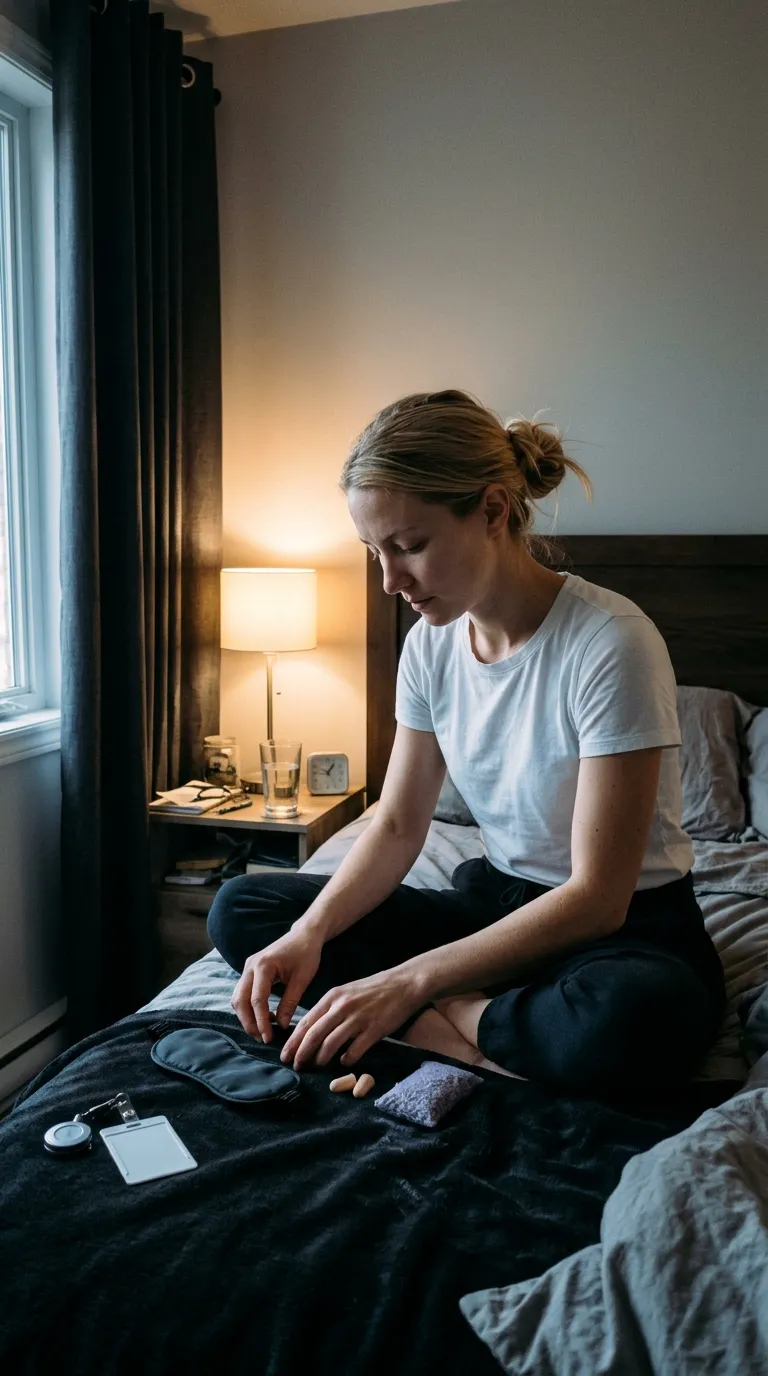
Night shifts make sleep a logistics problem: the sun, the neighbors and the phone all argue against it. A kit built for day sleeping, blackout mask, earplugs and a lavender sachet, tells the brain it is bedtime even at ten in the morning.
Build the kit around a comfortable contoured mask that leaves room for blinking, and foam or silicone earplugs in a pocket-sized case. Keep the total modest, around $20 to $30, and add a note saying which shift rotation she is on.
A Portable Phone Charger
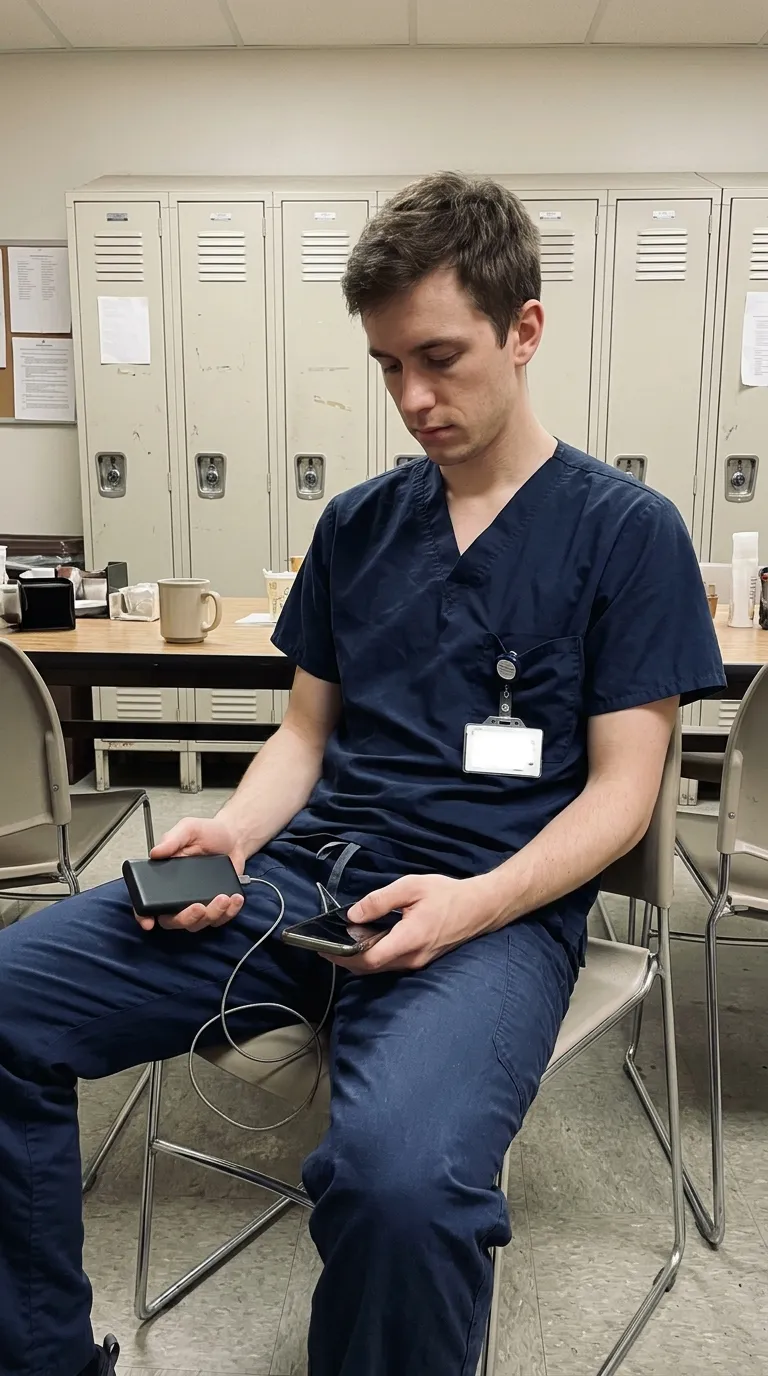
Phones carry the drug guide, the clinical app and the group chat for an entire shift, and hospital outlets are always in use or out of reach. A slim power bank with one full charge in reserve keeps a student from rationing her phone through the second half of a shift.
- Capacity: around 10,000 mAh covers two full phone charges for a long day.
- Size: a flat bank fits a scrub pocket or the small pocket of a clinical bag.
- Cable: a built-in cable removes the need to carry a separate lead.
- Charge: a fast-charge model tops up a phone during a short break, not overnight only.
A Shadow Box for the Pin
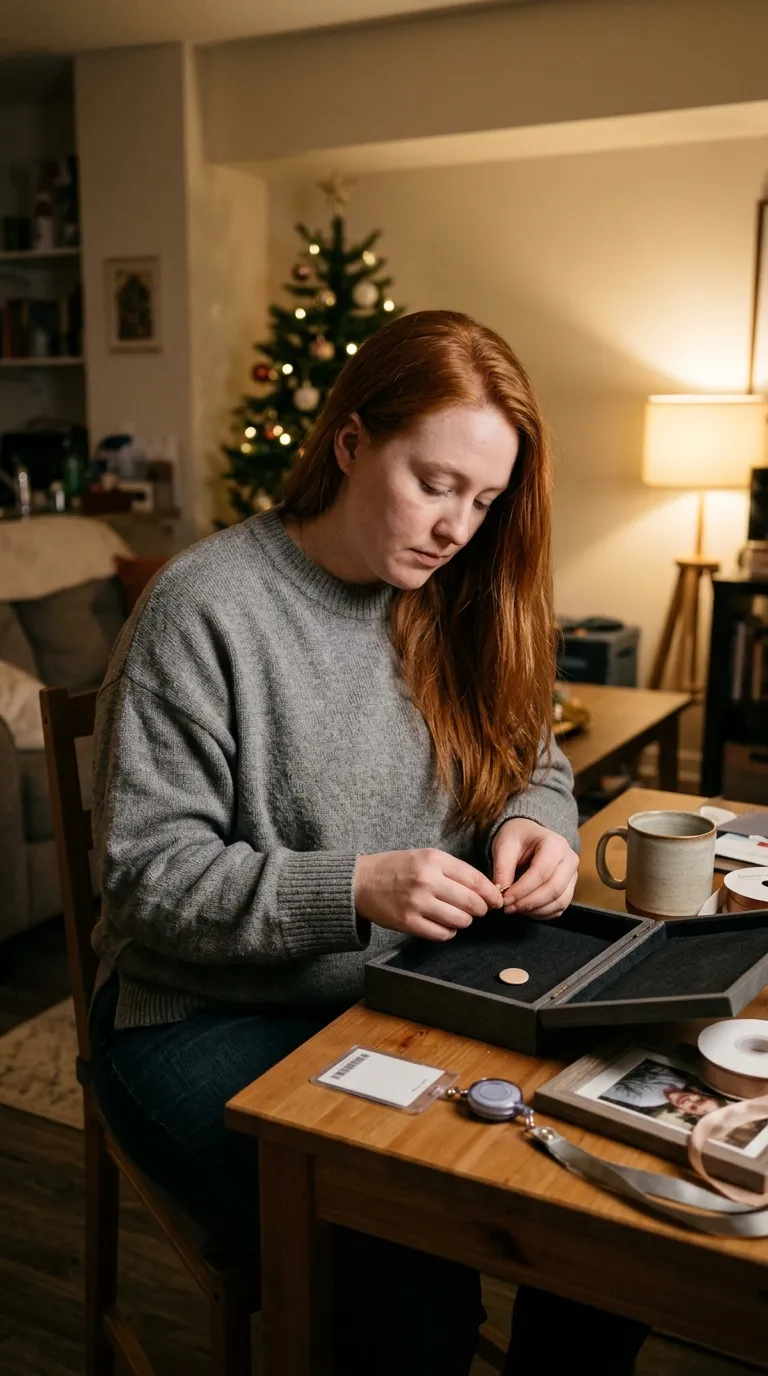
The pinning ceremony is the moment nursing school becomes a profession, and the pin often ends up in a drawer because nobody thought about what to do with it afterward. A shadow box gives the pin, a graduation photo and the ceremony program a permanent place on the wall.
Pick a box deep enough for a pin and a small photo, around $25 to $40, and look for a glass front that keeps dust off the fabric backing. For the whole ceremony setup, the ideas for pinning ceremony decorations pair well with a shadow box gift.
A Coffee and Tea Sampler

Early clinical mornings run on coffee, and late study sessions run on tea, so a sampler box of both covers a whole semester of caffeine choices. She can try a flavor a week and learn what actually keeps her going at 5 a.m.
- Mix: a blend of coffees and herbal teas suits students who avoid caffeine late at night.
- Format: single-serve packets fit a clinical bag and a locker shelf without a brewer.
- Freshness: sealed packets keep flavor for months, unlike open bags of beans.
- Budget: a box around $15 to $25 feels generous without buying a coffee machine.
What you’ll need: To turn any three small gifts on this list into one basket, add tissue paper, a small card and a plain cellophane wrap. Ten minutes of wrapping makes a $30 basket feel like a $60 one.
A Warm Scrub Jacket
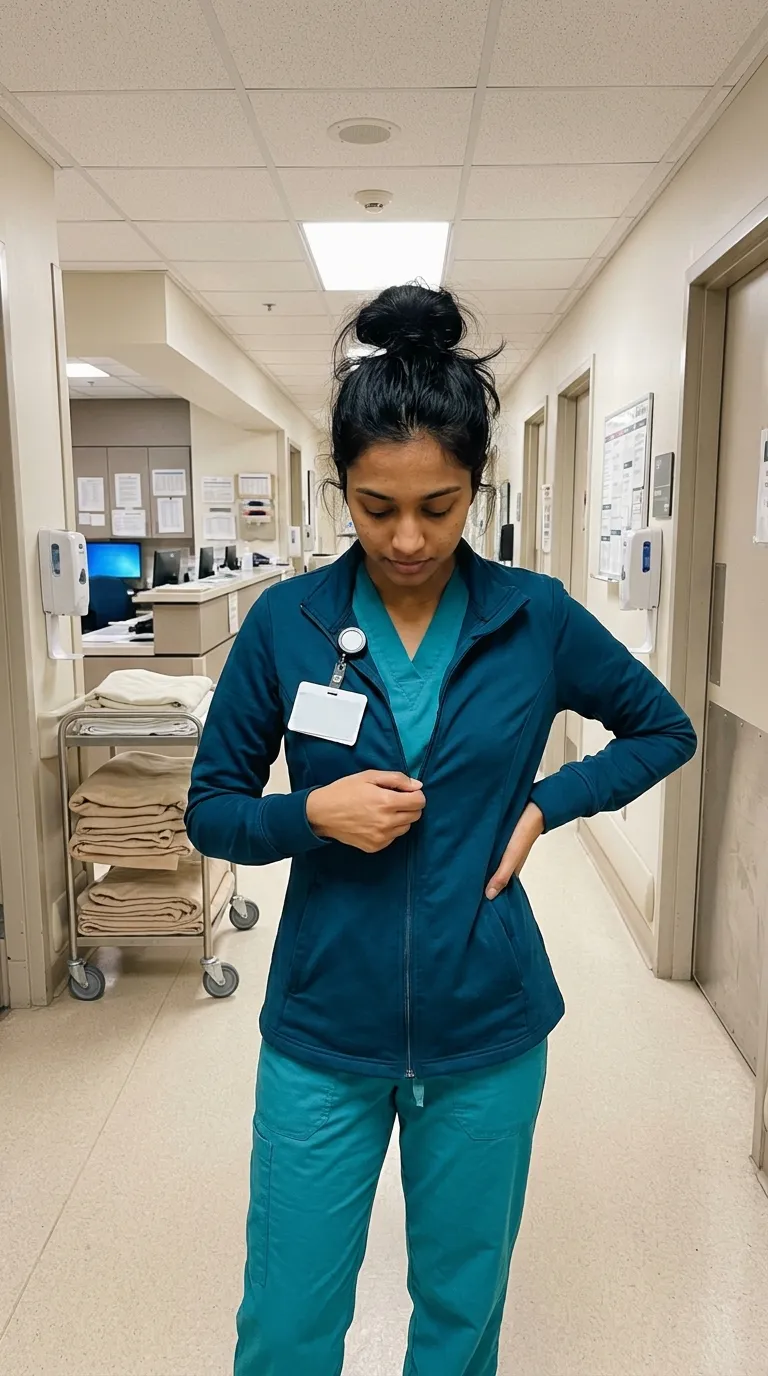
Hospitals run cold, and students who sit still to chart or observe feel it first. A warm scrub jacket that matches her scrub color keeps her comfortable without breaking uniform rules, and it gives her somewhere to clip a penlight and a badge.
Look for a jacket with two or three pockets, a zip front rather than buttons for quick removal, and a fabric that washes well with the rest of the scrubs. Match the program’s scrub color first: a jacket in the wrong color stays in the closet.
A Keepsake Christmas Ornament
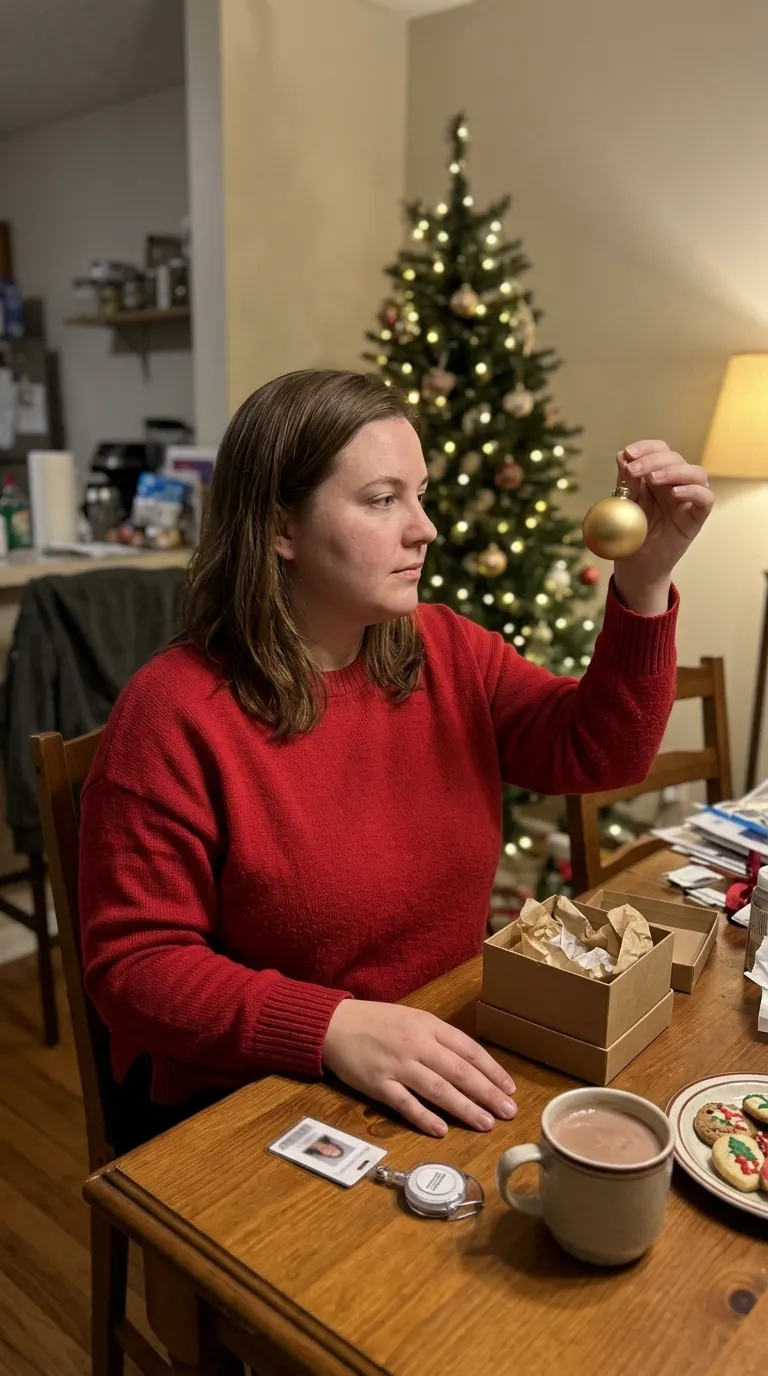
A keepsake ornament turns the year she became a nurse into a family tree tradition: each December it comes out of the box and the story comes with it. Choose a simple design, a stethoscope, a scrub cap or a plain star, and add her graduation year if the maker offers it.
- Material: metal or shatterproof resin survives a decade of packing and unpacking.
- Personal: her name and year make it hers; a generic nurse ornament feels like any year.
- Size: a 3 to 4 inch ornament fits a tree without hiding the lights behind it.
- Pairing: an ornament and a handwritten card make a complete small gift on their own.
A Book Light for Late Reading

Exams do not stop at lights-out, and roommates do not sleep better because a textbook is open. A clip-on book light with a warm setting lets her finish a chapter after the room goes dark, without waking anyone on the other side of the bed.
Pick a light that clips firmly to a thick textbook, offers two or three brightness levels and charges by USB, around $15 to $20. The dimmest setting is the one that matters most in a shared room.
A Self-Care Night Kit
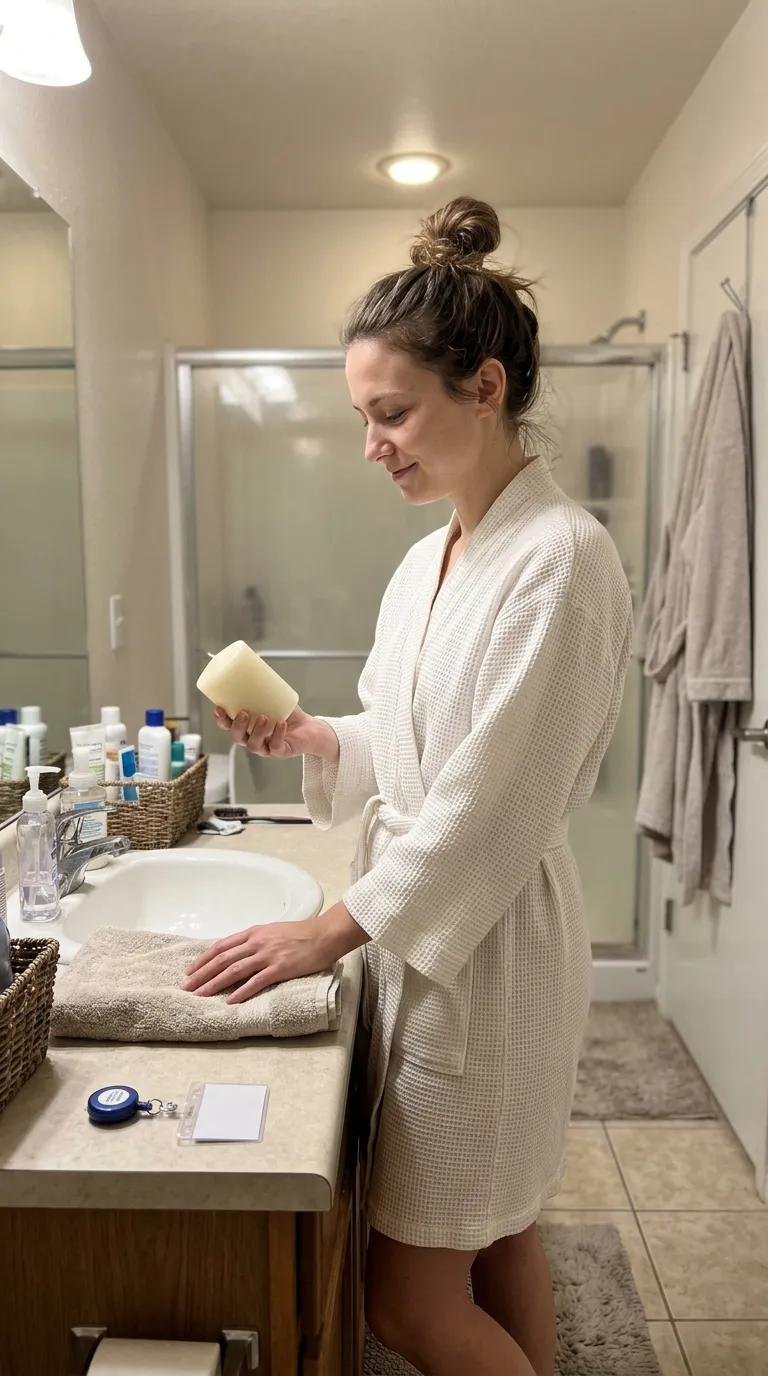
After a week of clinicals, study and early alarms, a self-care kit says what the rest of the list cannot: rest counts as part of the work. A candle, a face mask, a bath soak and a pair of fuzzy socks take one evening from survival to recovery.
- Contents: one candle, two face masks, a bath soak and a pair of soft socks fill a kit nicely.
- Scent: keep it gentle and unscented if she shares a room or has sensitive skin.
- Container: a small basket or zip pouch makes the kit feel finished rather than assembled.
- Budget: a thoughtful kit lands around $25 to $35, well inside a family gift budget.
One Last Tip
If you remember one thing from this list: buy for the clinical day first. The stethoscope, the bag, the compression socks and the penlights get used on every shift, while the keepsakes land hardest at the milestones they mark.
One last practical move: buy early enough to check the gift against her program rules and exchange it if the color, scent or size misses the mark. The best Christmas gift is the one she actually uses on the first clinical morning of the new year.