

This article shares a Nurse Morning Routine with simple habits nurses can use to improve focus, energy, and confidence before busy shifts. From preparation to self-care, these ideas create smoother mornings and more balanced workdays. Small steps, such as preparing work essentials the night before, eating a nourishing breakfast, and allowing enough time to get ready, can help reduce morning stress.
A consistent routine also gives nurses a chance to check their schedules, organize their priorities, and mentally prepare for the responsibilities ahead. Even a few minutes of planning can make a difference when working long hospital shifts or managing demanding patient care responsibilities. Explore these practical routines and find the ones that fit your nursing lifestyle, support your well-being, and help you start each shift feeling more prepared and organized.
Early Wake-Up Rituals

The first moments after waking can shape the entire shift ahead. Many nurses find that avoiding the snooze cycle and adding a few quiet minutes for hydration, stretching, or mental preparation creates a smoother transition into a fast-paced workday. Instead of rushing straight into daily responsibilities, take a moment to open the curtains, breathe deeply, and allow yourself to wake up gradually.
Keeping your alarm at a consistent time can also help establish a more predictable morning schedule. These small habits may reduce the feeling of starting the day in a hurry and make it easier to focus on important tasks. Try incorporating a few simple activities into your morning:
- Drink a glass of water after waking up.
- Stretch gently to loosen stiff muscles.
- Open the curtains to let natural light into your room.
- Leave enough time to get dressed without rushing.
Over time, a calm and consistent wake-up routine can help you approach busy nursing shifts with greater readiness and a more positive mindset.
Smart Scrub Preparation

A prepared workspace removes unnecessary decisions before a demanding shift begins. I’ve noticed that nurses who arrange scrubs, accessories, and bags the night before often feel less stressed because their mornings focus on readiness instead of searching for missing items. Setting aside essentials such as comfortable shoes, an ID badge, a stethoscope, and a fully charged phone can make the morning routine much easier.
Keeping these items in one designated place also reduces the chance of forgetting something important when time is limited. You can even check your work schedule and pack any necessary snacks or water before going to bed. Consider preparing this checklist before turning in for the night:
- Set out clean scrubs and appropriate undergarments.
- Check that your ID badge and required equipment are ready.
- Charge your phone and any permitted electronic devices.
- Pack your lunch, water bottle, and planned snacks.
- Check your departure time and expected commute.
These simple preparation habits help create a more organized start to the day, allowing nurses to leave home on time and focus their energy on providing quality patient care.
Balanced Morning Nutrition
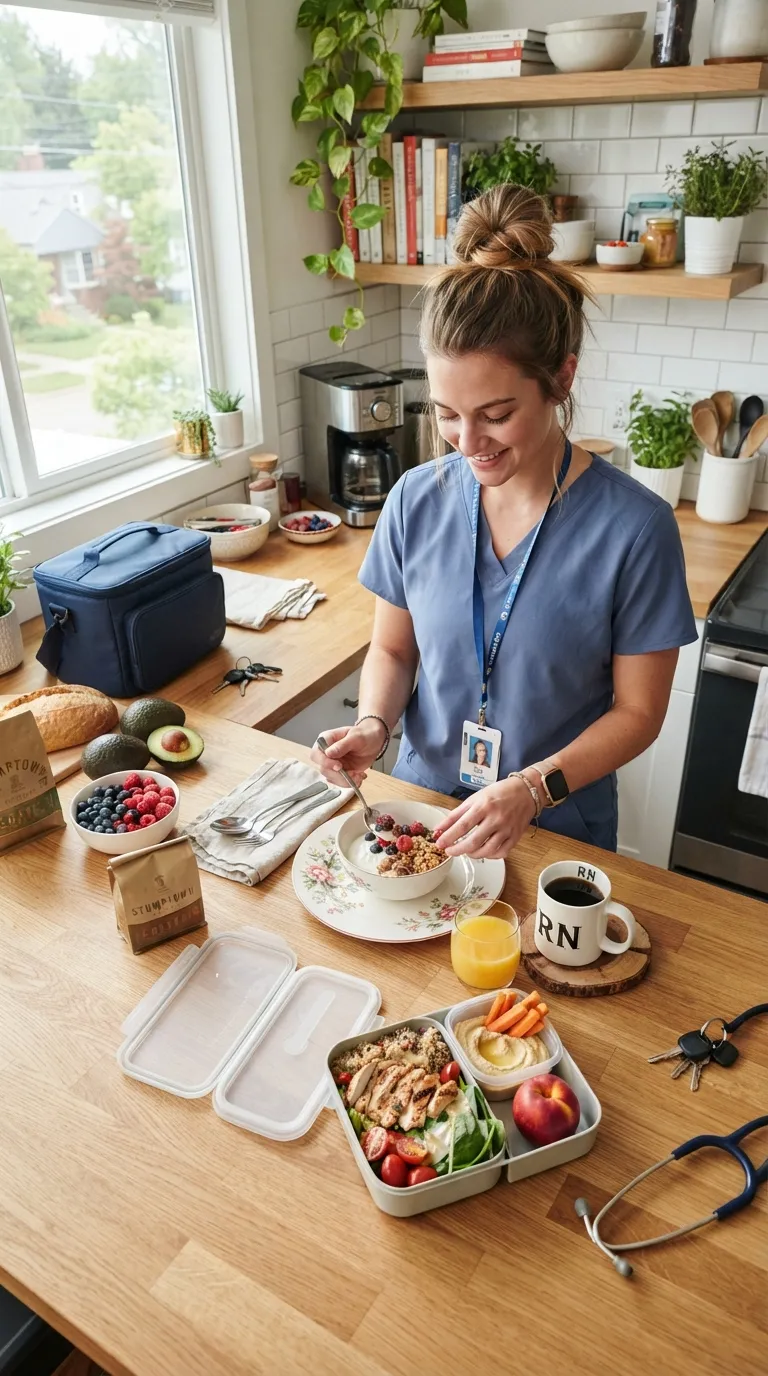
A strong morning meal can make long clinical hours feel more manageable. A simple combination of protein, fiber, and hydration helps many nurses maintain consistent energy instead of experiencing a mid-shift crash when patient demands increase. Options such as eggs with whole-grain toast, oatmeal with fruit and nuts, or yogurt with seeds can provide a convenient and satisfying start to the day.
Drinking water before leaving home is also a helpful habit, especially when busy schedules make regular hydration difficult. Nurses who have limited time in the morning can prepare breakfast ingredients the night before to make the routine easier to maintain. Some practical breakfast options include:
- Oatmeal topped with fruit and nuts.
- Boiled eggs with whole-grain toast.
- Yogurt with berries and seeds.
- A breakfast sandwich prepared in advance.
- A banana with nut butter, if suitable for your dietary needs.
Choosing balanced meals that fit personal preferences and dietary needs can support overall well-being and help nurses feel more prepared for the physical and mental demands of their shifts. Preparing breakfast ahead of time can also prevent the temptation to skip a meal when the morning gets busy.
Mindful Commute Moments

The commute can become more than just travel time when used intentionally. Many healthcare professionals use these quiet minutes to mentally prepare for patient care, review priorities, or simply create a calm mindset before stepping into a busy environment. Listening to relaxing music, an uplifting podcast, or a short guided meditation can make the journey feel more refreshing and help ease pre-shift tension.
Nurses who prefer a quieter start can use the time to take a few deep breaths and mentally organize the tasks they need to complete. If you use public transportation, you might review general study notes or reflect on personal goals for the day. For example, you could remind yourself to communicate clearly, stay organized, and ask for assistance when necessary.
However, safety should always come first, so avoid activities that distract you while driving. Save reading, note review, and phone use for times when you are safely parked or traveling as a passenger. A purposeful commute can help create a smoother transition from home life to professional responsibilities.
Hydration First Habit
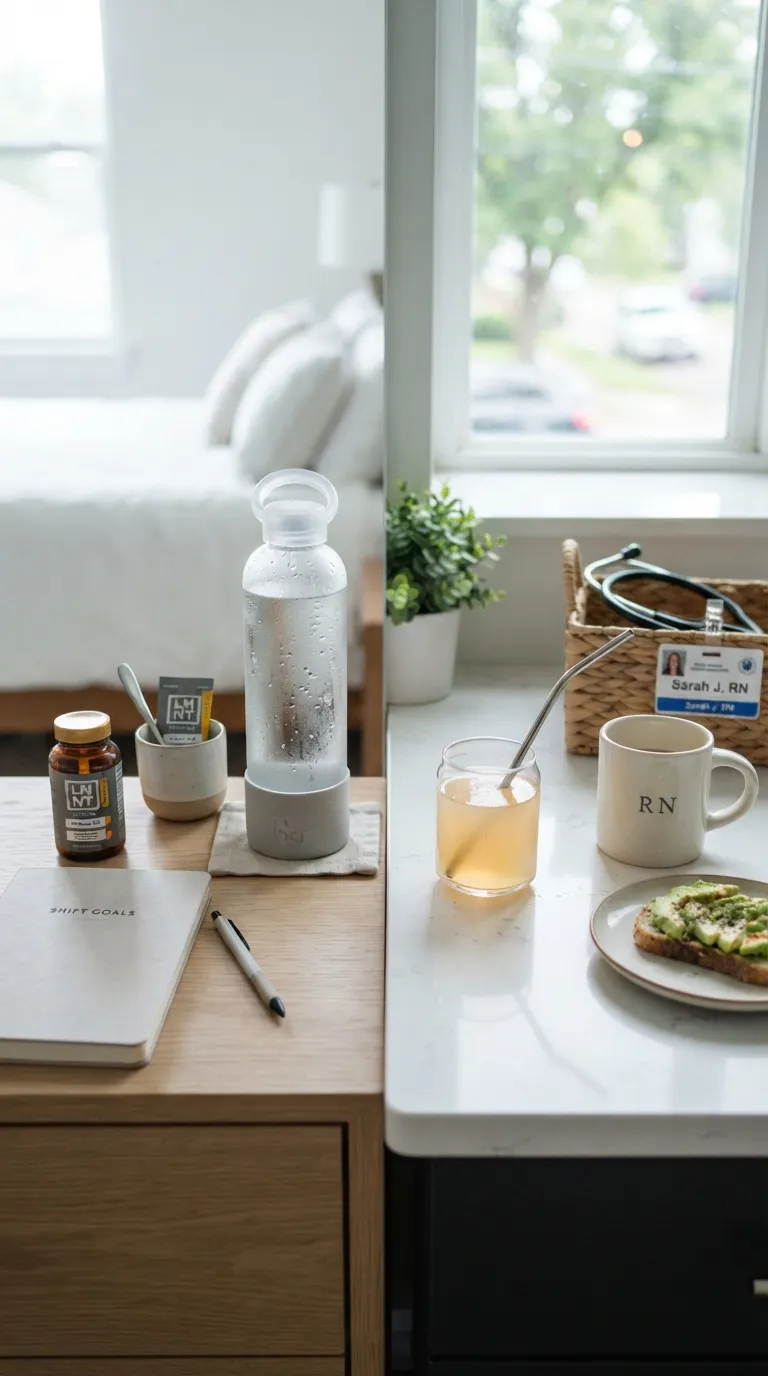
Starting the day with hydration is one of the simplest habits that busy nurses can maintain. I’ve seen that small preparation steps, like filling a bottle before leaving home, often make healthy choices easier during unpredictable shifts. Keeping a reusable water bottle in your work bag or at your designated workspace serves as a helpful reminder to drink water throughout the day. You can also refill it before your shift begins so you have enough water available when time allows.
Since patient care responsibilities can make breaks difficult to predict, building hydration into existing routines, such as during scheduled breaks, can make the habit easier to follow. Consider these practical reminders:
- Fill your water bottle before leaving home.
- Keep it in an accessible, permitted location at work.
- Drink water during appropriate breaks.
- Refill the bottle when your schedule allows.
- Pay attention to thirst and your individual hydration needs.
Paying attention to thirst and individual hydration needs is important, especially during physically demanding shifts. These small, consistent efforts can support general well-being and help nurses feel more prepared for a busy day.
Quick Mental Reset

A short mental reset can completely change how the first hour of a shift feels. Instead of rushing directly into responsibilities, taking a few intentional moments helps nurses enter the workplace feeling more centered, prepared, and focused. A busy clinical environment can bring unexpected challenges, so creating a brief pause before starting work may help you approach the day more thoughtfully.
You do not need a lengthy meditation session to make this habit part of your routine. Even one or two quiet minutes can provide an opportunity to slow down, recognize your current mood, and prepare mentally for the responsibilities ahead. Try taking a few comfortable breaths, relaxing your shoulders, and identifying one priority for the day.
For example, your priority might be communicating effectively with colleagues, staying organized during handoff, or asking questions when you need clarification. This simple exercise is not a replacement for adequate sleep or appropriate workplace support, but it can become a useful way to begin the shift with greater awareness.
Efficient Bag Organization
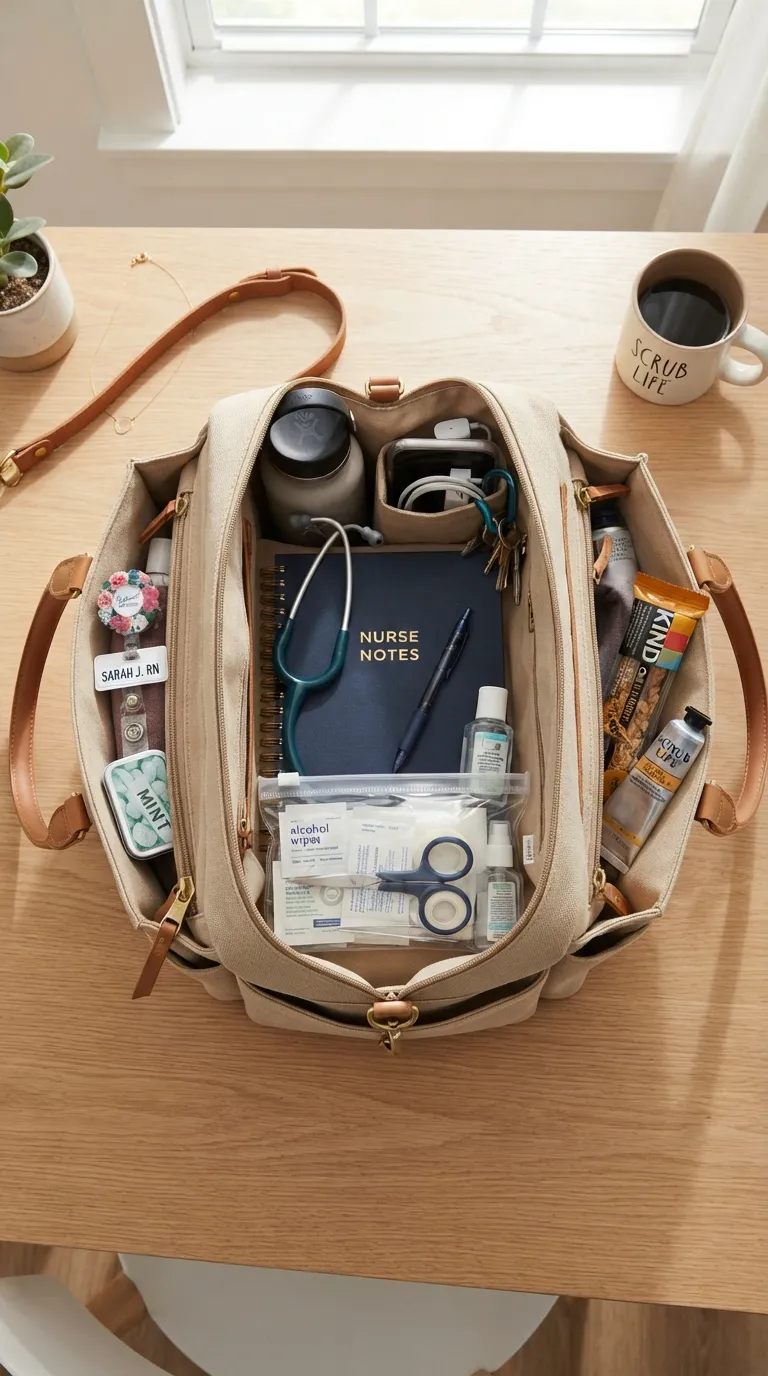
A well-organized work bag saves more than time—it reduces mental clutter before a demanding shift begins. Many experienced nurses keep a consistent placement system for essentials because knowing exactly where items are located prevents unnecessary distractions during busy mornings.
Choose a bag with separate compartments for personal belongings, food, and work-related items. Keep frequently needed essentials in predictable locations, and remove unnecessary items regularly to prevent clutter. Depending on your workplace requirements, your bag checklist might include:
- ID badge and keys.
- Stethoscope and approved work supplies.
- Phone charger and other necessary personal items.
- A water bottle and safely stored snacks.
- A small notebook and pen, if permitted.
Avoid carrying unnecessary clinical supplies or confidential patient information in your personal bag. Follow your facility’s infection prevention, storage, and security policies. Spending a few minutes organizing everything the night before can make it easier to leave home on time and reduce the stress of searching for forgotten essentials.
Positive Affirmation Practice

Starting a shift with a positive mindset does not mean ignoring challenges—it means preparing mentally for them. I’ve noticed that simple personal rituals, such as a meaningful reminder or encouraging thought, can help nurses approach difficult moments with greater confidence.
Choose an affirmation that feels realistic rather than forcing yourself to feel positive all the time. Nursing involves complex responsibilities, changing priorities, and emotionally demanding situations. A supportive reminder can encourage patience and self-trust without suggesting that every shift will be easy.
You might repeat a phrase such as:
- “I can take one task at a time.”
- “It is okay to ask for help when I need it.”
- “I will focus on safe, thoughtful patient care.”
- “I can learn from challenging situations.”
- “I do not have to be perfect to keep improving.”
Write your favorite affirmation on a small card or save it as a phone reminder. Revisiting it during your morning preparation can provide a simple moment of encouragement before the workday begins.
Comfortable Footwear Choice

The right footwear choice can make a noticeable difference throughout a long clinical day. Nurses spend hours walking, standing, and responding quickly, so prioritizing support and comfort before leaving home is one practical habit that can help manage daily physical demands.
Choose shoes that fit properly, provide suitable support, and comply with your facility’s footwear requirements. Shoes that pinch, slip, or cause pressure points can make long shifts more uncomfortable. It is also helpful to inspect footwear regularly for worn soles, damaged fastenings, or reduced traction.
Before heading out, check that your shoes are clean and ready for the work environment. Some nurses keep a separate pair for clinical use when workplace policies and circumstances make that practical. If your feet become uncomfortable during shifts, consider whether your footwear needs replacing or whether a suitable fit adjustment could help. Comfortable shoes cannot eliminate fatigue, but thoughtful footwear choices can make standing and walking throughout the day more manageable.
Time-Saving Breakfast Prep

Busy healthcare mornings often leave little room for complicated meals. A simple preparation habit, such as assembling breakfast the evening before, gives nurses a reliable option that supports energy without adding extra stress before a shift. Overnight oats, yogurt with fruit, boiled eggs, or a prepared breakfast sandwich can be convenient choices when time is limited.
Keeping ingredients ready in the refrigerator makes it easier to grab a meal before leaving home, even after a short night of sleep. Nurses can also pack a small snack to enjoy during an appropriate break if their shift runs longer than expected. Choose foods that suit your preferences and dietary needs, and store perishable items safely until they are ready to eat.
You can make preparation even easier by selecting two or three breakfast options for the week instead of deciding what to eat every morning. Prepare ingredients in individual containers, check that lids are secure, and place ready-to-go items where they are easy to find. With a little planning, breakfast becomes one less thing to worry about during an already demanding morning.
Evening Before Planning
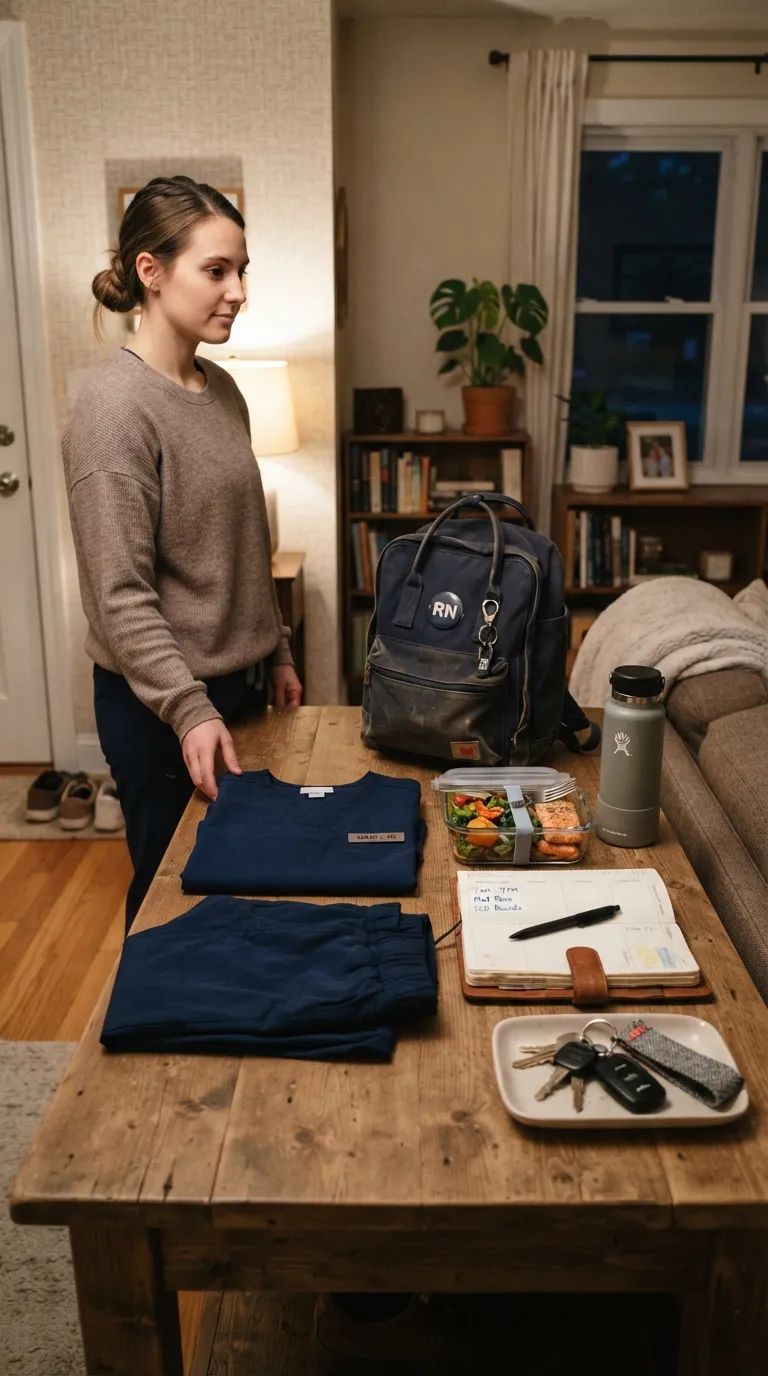
The easiest mornings often begin the night before. I’ve seen that nurses who prepare clothing, meals, and essentials ahead of time usually start their shifts with more mental clarity because fewer small decisions compete for attention.
Evening preparation is especially useful for nurses who alternate between day and night shifts or have limited time between responsibilities. Rather than trying to organize everything at once, spend a few minutes completing the tasks that will make the biggest difference the following morning.
A simple evening checklist can include:
- Review the next day’s schedule and shift start time.
- Prepare scrubs, shoes, and work essentials.
- Pack lunch, snacks, and a water bottle.
- Set an alarm and plan your commute.
- Finish necessary household tasks early enough to wind down.
Keep the routine realistic so it does not become another source of pressure. You do not need to prepare every detail perfectly. Even completing two or three important tasks can make the next morning feel more manageable and leave more time for breakfast, personal care, and a calm departure.
Personal Energy Check

Understanding personal energy patterns helps nurses create routines that actually fit their lives. Instead of copying someone else’s schedule, paying attention to sleep, nutrition, and stress signals makes daily preparation more realistic and sustainable.
Some nurses feel alert shortly after waking, while others need extra time before they feel ready to work. Your routine should account for your actual schedule, including commute time, family responsibilities, and the amount of rest you can reasonably protect. Notice which habits help you feel prepared and which ones make mornings more difficult.
For example, if a complicated breakfast leaves you rushing, choose a simpler meal that can be prepared in advance. If exercising early makes you feel more tired, try gentle stretching instead or move your workout to another time. The goal is not to create a perfect morning but to develop a repeatable routine that supports your needs.
Focused Shift Visualization

A few moments of mental preparation can make a busy shift feel more manageable. Many experienced nurses use quiet visualization to think through priorities, patient needs, and responsibilities before entering a fast-moving clinical environment.
This practice does not involve predicting everything that might happen. Instead, picture yourself following a steady start to the shift, listening carefully during handoff, checking priorities, and communicating with the healthcare team. Mentally rehearsing these general actions may help you feel more organized when the workday begins.
You can use a simple three-step approach:
- Identify the main responsibilities you expect to manage.
- Think about the resources or information you may need.
- Remind yourself to ask questions and seek help when a situation requires it.
Actual patient care must always be guided by current clinical information, professional judgment, and facility protocols. Visualization is simply a preparation technique that can help you approach your responsibilities with a clearer mindset.
Restful Sleep Routine

A successful morning begins with the quality of rest that comes before it. I’ve noticed that nurses who protect their sleep environment often find it easier to maintain energy, focus, and patience during physically demanding schedules.
Because nursing schedules can change, creating a realistic wind-down routine is often more useful than following a rigid bedtime. When possible, reduce unnecessary screen time before sleeping, keep your bedroom comfortable, and allow sufficient time for rest. Preparing work essentials earlier in the evening can also prevent last-minute chores from delaying bedtime.
Shift workers may benefit from keeping their sleep space dark, quiet, and comfortable during daytime rest. Communicating sleep needs to household members can help reduce interruptions. Caffeine timing, light exposure, and work schedules can also affect sleep, so consider how these factors influence your personal routine.
Although no single habit guarantees perfect sleep, protecting rest whenever your schedule allows can make morning preparation easier and support general well-being during demanding workweeks.
Consistent Self-Care Moments

The best routines include moments that support the person behind the profession. Even a few intentional minutes for reflection, relaxation, or personal care can help nurses begin challenging days feeling more balanced and prepared.
Self-care does not need to involve expensive products or a lengthy morning ritual. It can be as simple as washing your face without rushing, applying moisturizer, listening to a favorite song, or enjoying a quiet cup of tea before leaving home. These small moments can provide a sense of familiarity during weeks when work schedules feel unpredictable.
Choose one or two activities that genuinely make your morning easier rather than adding several new tasks to an already crowded schedule. You might also keep a short journal to identify what went well during the previous day or what you want to approach differently.
Remember that personal well-being also depends on adequate rest, supportive relationships, appropriate breaks, and manageable working conditions. A morning routine can support these efforts, but it does not replace the need for rest and support when work becomes overwhelming.
Conclusion
Preparing scrubs, meals, and work essentials the night before creates a more organized Nurse Morning Routine that helps save valuable time before demanding hospital shifts. Begin with simple habits like hydration, mindful planning, comfortable footwear, and organized preparation to support focus, confidence, and daily energy.
You do not need to adopt every habit immediately. Start with two or three changes that fit your schedule, then adjust your routine as you discover what works best for your nursing lifestyle. A consistent approach can make mornings feel less rushed and help you arrive at work better prepared for the day ahead.
Save these practical nurse morning routine tips on Pinterest and create a healthier, more balanced start to every nursing day.