

24 Nursing Student Study Routine for Busy Days
This Nursing Student Study Routine shares simple strategies to help busy nursing students study smarter, stay organized, and manage daily responsibilities.Build better habits with flexible methods that make learning easier even during demanding classes and clinical schedules.Explore these practical ideas to create a routine that supports consistent progress.
1. Morning Priority Map
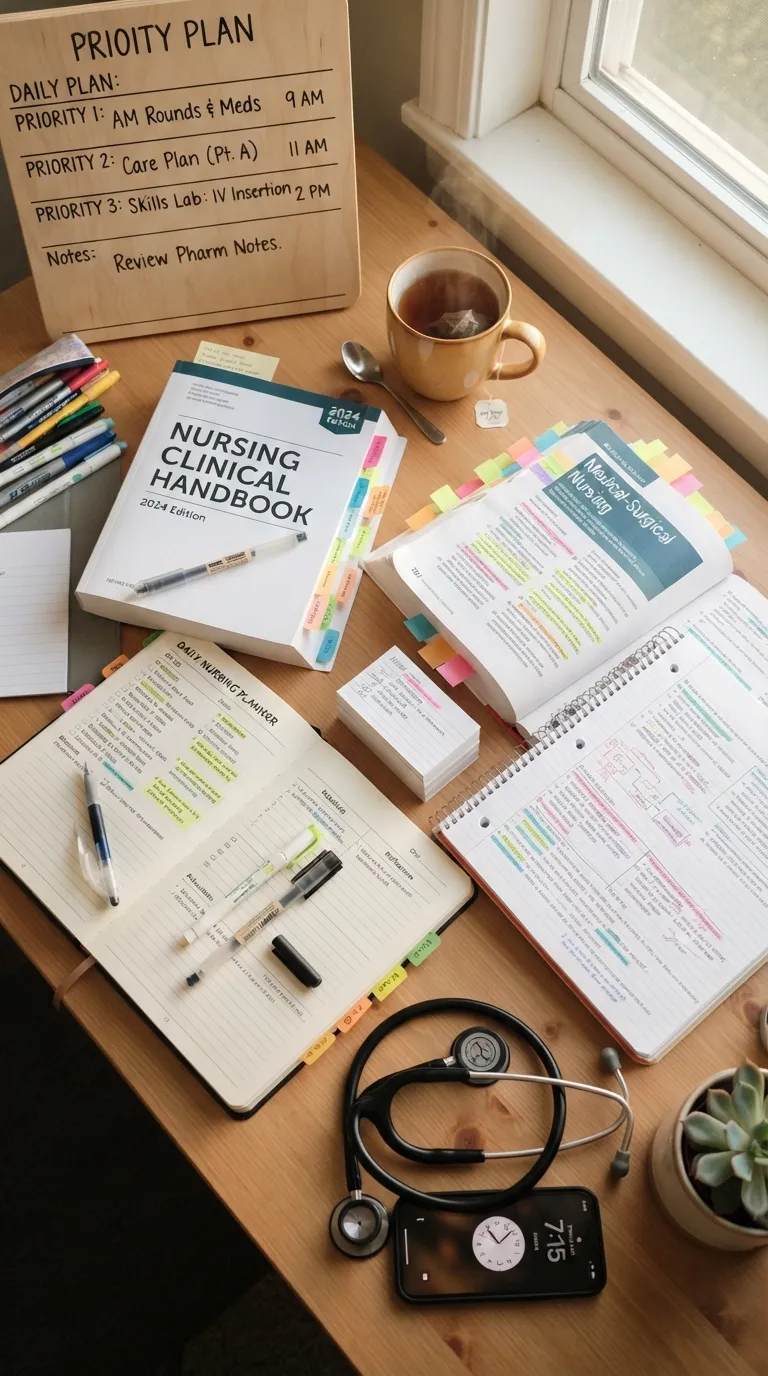
A simple priority map helps busy nursing students decide what deserves attention first instead of reacting to every assignment equally. In my experience, choosing three important tasks before studying creates more consistency because the routine feels achievable. This approach works especially well during weeks filled with classes, clinical hours, and unexpected schedule changes.
2. Micro Learning Sessions

Busy schedules do not always allow long study periods, which is why small learning sessions can become powerful. Reviewing five medication names while waiting between activities or revisiting one clinical concept before bed keeps information active without adding pressure. This type of routine supports steady progress and reduces last-minute studying.
3. Energy Based Planning

A productive nursing routine is not only about finding more hours; it is about using the right hours effectively. I’ve seen students improve their consistency when they place challenging subjects during their strongest focus periods and save lighter reviews for lower-energy moments. This small adjustment makes busy study days feel more manageable.
4. Commute Study Method

A commute can become a valuable part of a nursing student’s study routine when used intentionally. Instead of trying to learn complex concepts in a crowded environment, use travel time for lighter tasks like reviewing terminology or listening to explanations. This approach creates extra learning opportunities without extending an already busy day.
5. Weekly Reset Session

A weekly reset gives nursing students a chance to organize their responsibilities before everything feels urgent. I’ve noticed that students who review their upcoming week often make better decisions about when to study, rest, and prepare for clinical responsibilities. It creates a smoother rhythm instead of constant catch-up.
6. Clinical Preparation Blocks

Clinical preparation works best when it focuses on what students will actually use in patient care. Instead of reviewing everything, spend dedicated time checking procedures, common assessments, and important safety steps before clinical days. This creates stronger confidence because the information feels connected to real nursing situations.
7. Task Batching System

Switching between many tasks can drain focus faster than students realize. A task batching system allows nursing students to complete similar activities together, such as reviewing lecture notes in one session and preparing clinical materials in another. This creates a more organized workflow and helps busy days feel less chaotic.
8. Evening Review Ritual

An evening review ritual gives busy nursing students a simple way to stay connected with their learning without creating extra pressure. Reviewing key points, checking tomorrow’s priorities, and organizing materials can make the next day easier. I’ve seen this small habit help students feel more prepared because they begin each morning with direction.
9. Study Trigger Habits

Creating a study trigger means connecting learning with something that already happens every day. For example, reviewing notes after breakfast or preparing materials after returning from class can make studying easier to start. This works because the brain begins recognizing the routine instead of relying only on motivation.
10. Mobile Review Cards

Mobile review cards make studying more flexible for nursing students who rarely have completely free days. Instead of waiting for a perfect study block, students can use short moments to revisit important details. This method works best when cards focus on specific information rather than trying to replace deeper learning sessions.
11. Assignment Planning Grid

Large nursing assignments can feel stressful when they are treated as one huge task. An assignment planning grid helps students separate research, writing, reviewing, and final preparation into smaller steps. This approach creates progress even during busy weeks because every study session has a clear purpose.
12. Focus Recovery Breaks

A productive routine includes moments to recover, not just hours of studying. Focus recovery breaks allow the brain to reset before returning to challenging nursing topics. I’ve noticed students often maintain better concentration when breaks are planned instead of waiting until they feel completely exhausted.
13. Clinical Question Log

A clinical question log turns everyday experiences into valuable study material. Instead of forgetting confusing moments after a rotation, students can write down questions and research them later. This habit builds stronger connections between classroom knowledge and real patient situations while creating a personalized learning resource.
If this was interesting, Nursing Student Study Tips is too.
14. One Topic Deep Dive
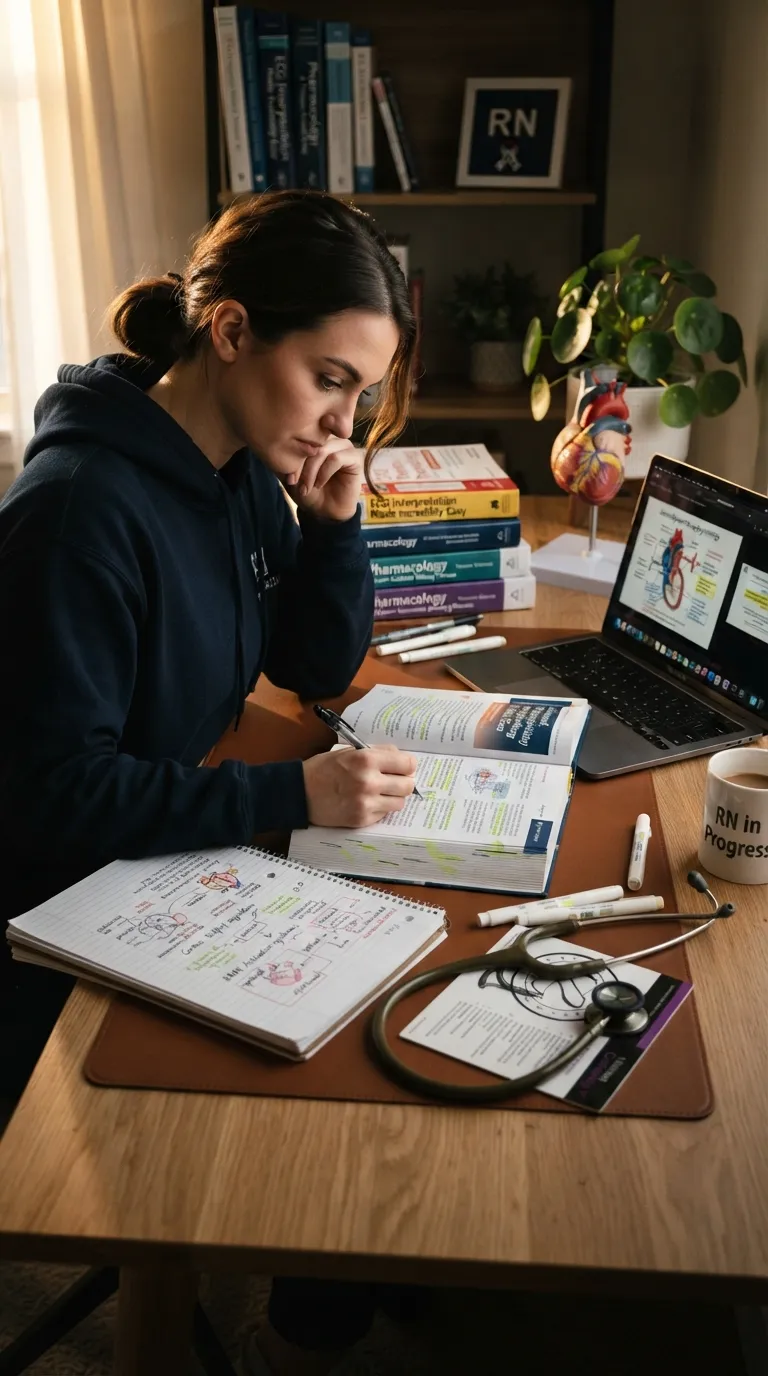
Trying to study every subject equally can leave nursing students feeling scattered. A one-topic deep dive allows time to understand connections, patterns, and practical applications. This method is especially useful for challenging areas where memorizing facts is not enough and clinical reasoning matters more.
15. Preparation Night Routine

A preparation night routine helps busy nursing students protect their time when mornings are rushed. Simple actions like organizing materials, checking schedules, and preparing essentials can reduce decision fatigue. This small habit creates a calmer start and allows more energy to go toward learning.
16. Learning Resource Rotation

Using the same study method every day can make learning less effective over time. A resource rotation approach allows nursing students to switch between textbooks, videos, practice activities, and personal notes depending on the topic. This keeps learning active while helping students understand information from different perspectives.
17. Five Minute Review

A few focused minutes can still contribute to long-term progress when used correctly. Five-minute reviews are useful for revisiting key terms, checking unfamiliar concepts, or refreshing important information before moving into another activity. This strategy helps busy nursing students stay connected with their studies every day.
18. Study Accountability Partner

Accountability can make a busy nursing schedule easier to maintain. A study partner does not need to study every topic with you; sometimes simply checking goals together creates stronger commitment. I’ve seen students stay more consistent when they have someone who encourages progress and shares practical study ideas.
19. Distraction Control Plan

Busy nursing students often lose valuable time from small interruptions rather than difficult coursework. A distraction control plan prepares the environment before studying begins, making it easier to stay focused. Simple actions like preparing materials ahead and limiting notifications can create a more productive learning session.
20. Recovery Study Balance

A successful routine is not built around studying every available minute. Recovery balance helps nursing students maintain focus by protecting sleep, breaks, and personal time. A sustainable approach makes it easier to continue learning throughout demanding semesters without feeling constantly overwhelmed.
21. Clinical Concept Linking

Memorizing separate pieces of information can make nursing topics feel disconnected. Clinical concept linking helps students understand relationships between symptoms, assessments, interventions, and outcomes. This approach creates a stronger mental framework because it reflects how information is used in real patient care.
22. Flexible Time Blocks

A rigid schedule can become stressful when nursing school brings unexpected changes. Flexible time blocks allow students to protect important study goals while adapting to new responsibilities. This method creates consistency because the routine can survive difficult weeks instead of falling apart after one busy day.
23. Progress Tracking Journal

Tracking progress helps nursing students see growth beyond grades and exam scores. A simple journal can record completed goals, difficult topics, and strategies that worked well. This reflection creates a personalized roadmap that makes future study decisions easier and more intentional.
24. Tomorrow Preparation Checklist

A tomorrow preparation checklist is a small habit that creates a big difference for busy nursing students. Setting out materials, reviewing priorities, and organizing responsibilities before bed reduces morning stress. This final step helps create a smoother Nursing Student Study Routine that feels more controlled and manageable.
Conclusion
Use flexible time blocks, progress tracking, and tomorrow preparation checklists to create a smoother study system during nursing school.Start with one small habit, like planning priorities or reviewing clinical concepts, and build your routine step by step.
Save these Nursing Student Study Routine ideas on Pinterest and try a strategy that helps you study with more confidence.
Keep Reading
 Nursing School
 22 Study Tips for Nursing Students to Succeed
These Study Tips for Nursing Students provide practical strategies to study smarter, manage coursework, and bu…
 Nursing School
 Nursing Exam Study Tips for Better Results
These Nursing Exam Study Tips reveal practical strategies to prepare smarter, improve test performance, and fe…
 Nursing School
 20 Nursing Student Study Tips That Actually Work
These Nursing Student Study Tips share practical ways to improve studying, prepare for exams, and build strong…
 Nursing School
 18 Brilliant School Nurse Hacks That Really Work
This article shares effective school nurse hacks that simplify daily tasks, improve student support, and creat…