
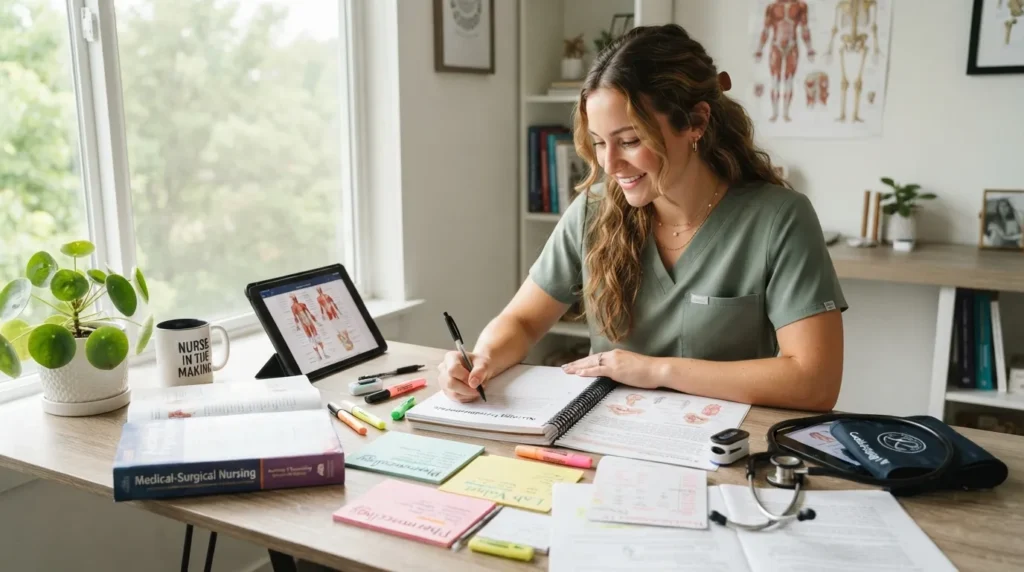
20 Nursing Student Study Tips That Actually Work
These Nursing Student Study Tips share practical ways to improve studying, prepare for exams, and build stronger nursing skills with less stress.Learn simple strategies that help you remember difficult concepts, manage your time, and feel more confident in nursing school.Explore these effective ideas to create a smarter study routine that supports your success.
1. Study Schedule
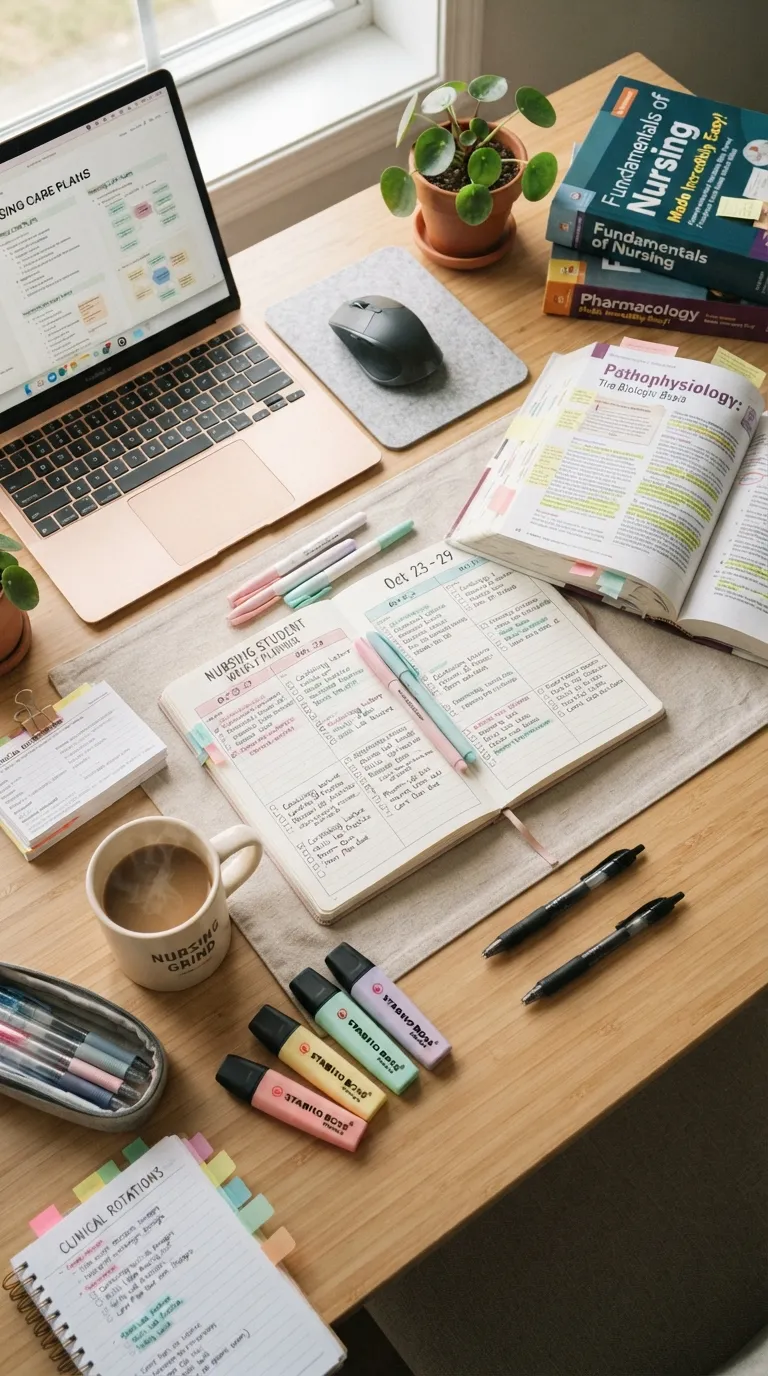
A structured schedule helps nursing students balance lectures, clinical practice, assignments, and personal time without feeling overwhelmed. I’ve noticed that planning shorter review sessions throughout the week works better than trying to memorize everything the night before an exam.
2. Active Recall Practice
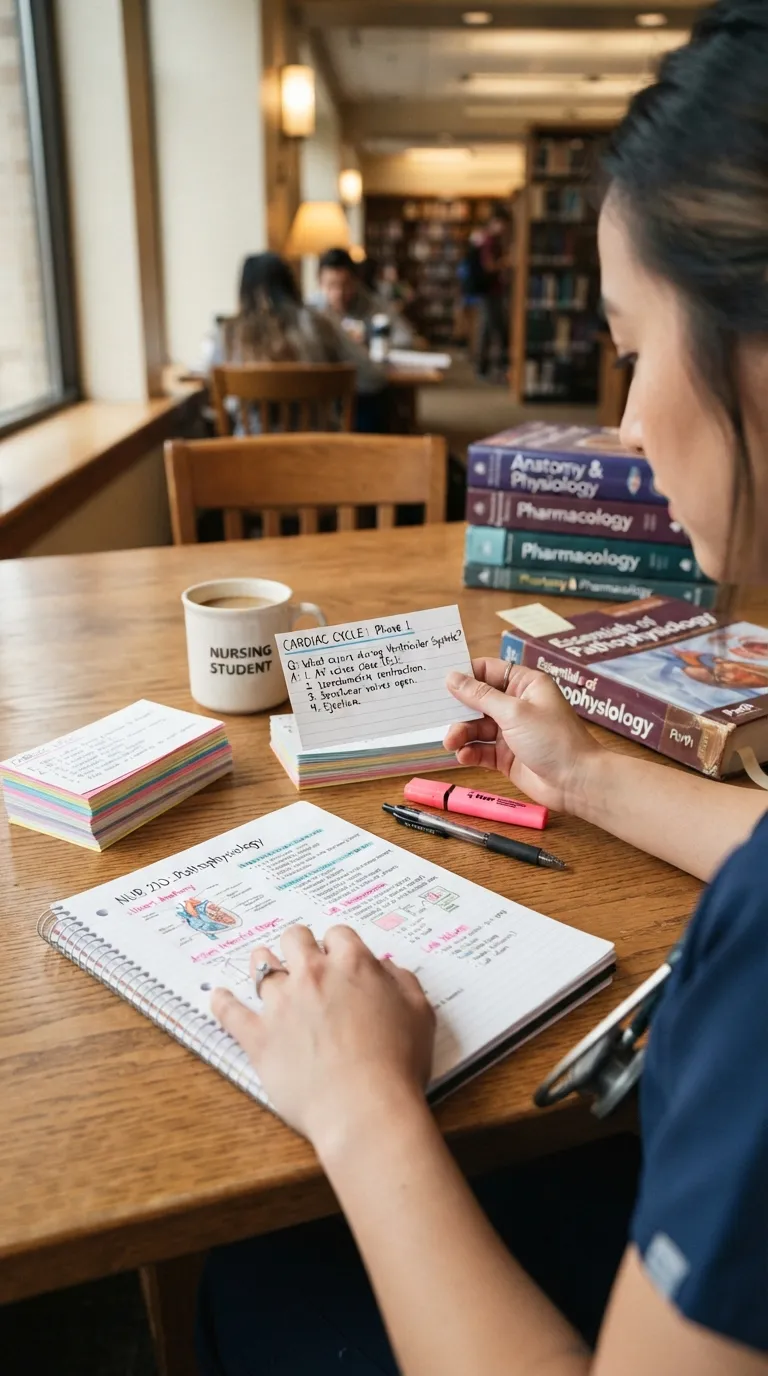
Active recall turns studying into a memory-building exercise instead of passive reading. When reviewing complex nursing concepts, practice retrieving information without looking at notes because this mirrors the pressure of real exam situations.
3. Clinical Study Notes
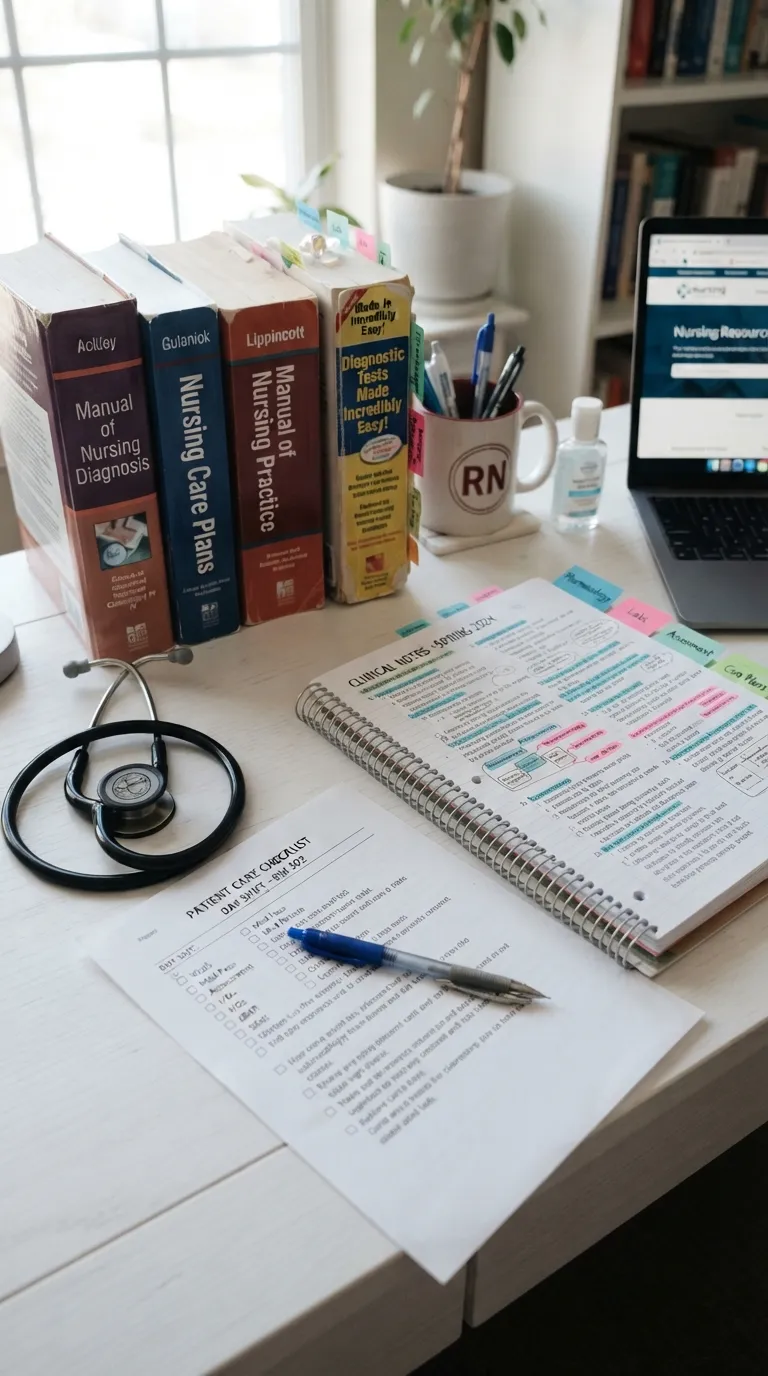
Strong clinical notes do more than collect information; they help students understand how knowledge applies at the bedside. Keeping notes focused on key actions, warning signs, and practical examples makes review faster before clinical days.
4. Medication Review
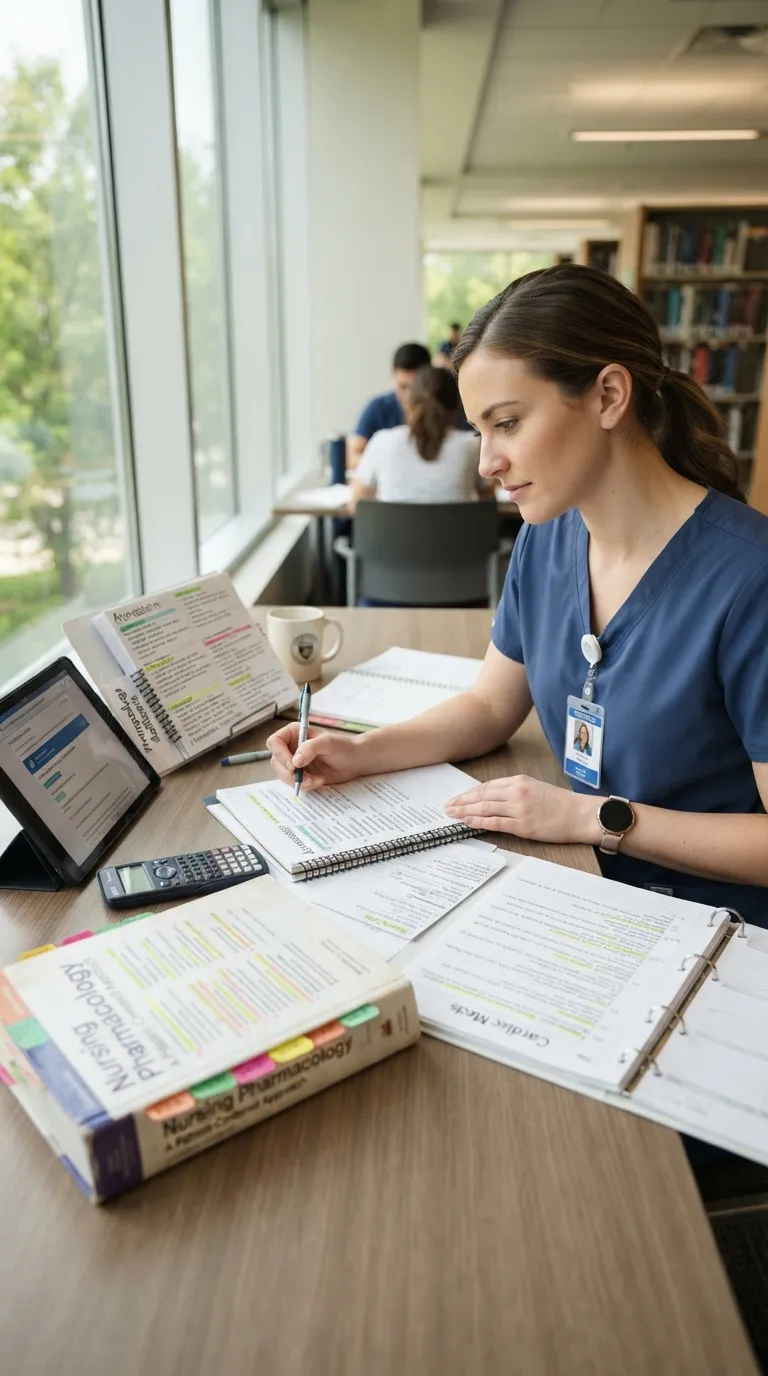
Medication topics can feel overwhelming because small details matter, but organized review makes them manageable. Many nursing students find that connecting each medication to patient safety, monitoring needs, and common reactions improves long-term retention.
5. Practice Questions
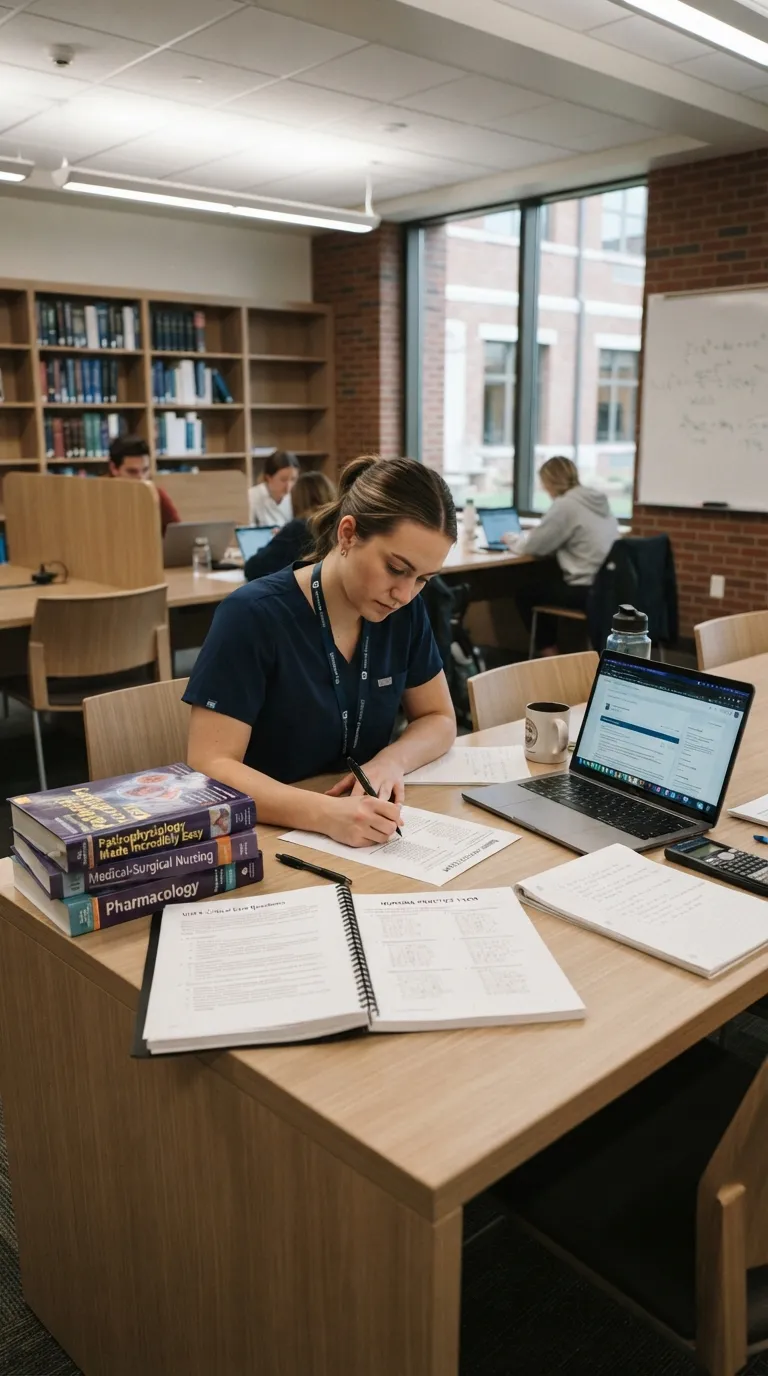
Practice questions train your brain to apply information instead of simply recognizing definitions. I’ve seen students improve faster when they spend time understanding why an answer is correct rather than rushing through question numbers.
6. Study Group Sessions

Studying with others can make difficult nursing concepts easier to understand because different students explain ideas in different ways. A focused study group can turn confusing topics into practical discussions that feel closer to real clinical teamwork.
7. Nursing Concept Maps
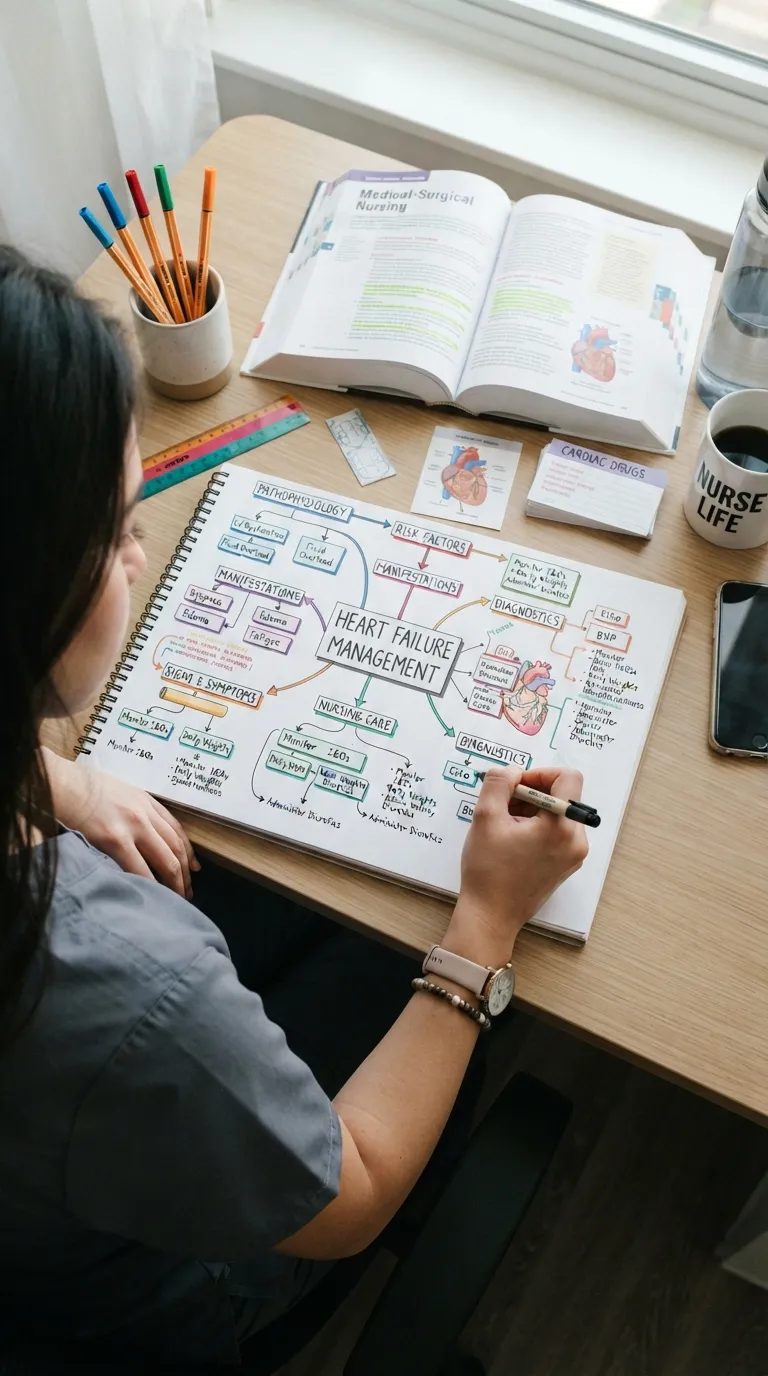
Concept maps help transform scattered information into a clear clinical picture. Instead of memorizing isolated facts, students can see how conditions progress and how nursing decisions connect to patient outcomes.
You might also find Brilliant School Nurse Hacks helpful.
8. Clinical Skill Practice

Hands-on practice creates confidence that textbooks alone cannot provide. I’ve noticed students feel less anxious during clinical rotations when they repeat important procedures and focus on the reason behind each step.
9. Focused Study Blocks

Focused study blocks help nursing students make progress even with busy schedules. A practical approach is choosing one topic, setting a realistic time limit, and finishing with a quick review instead of constantly switching between subjects.
10. NCLEX Preparation
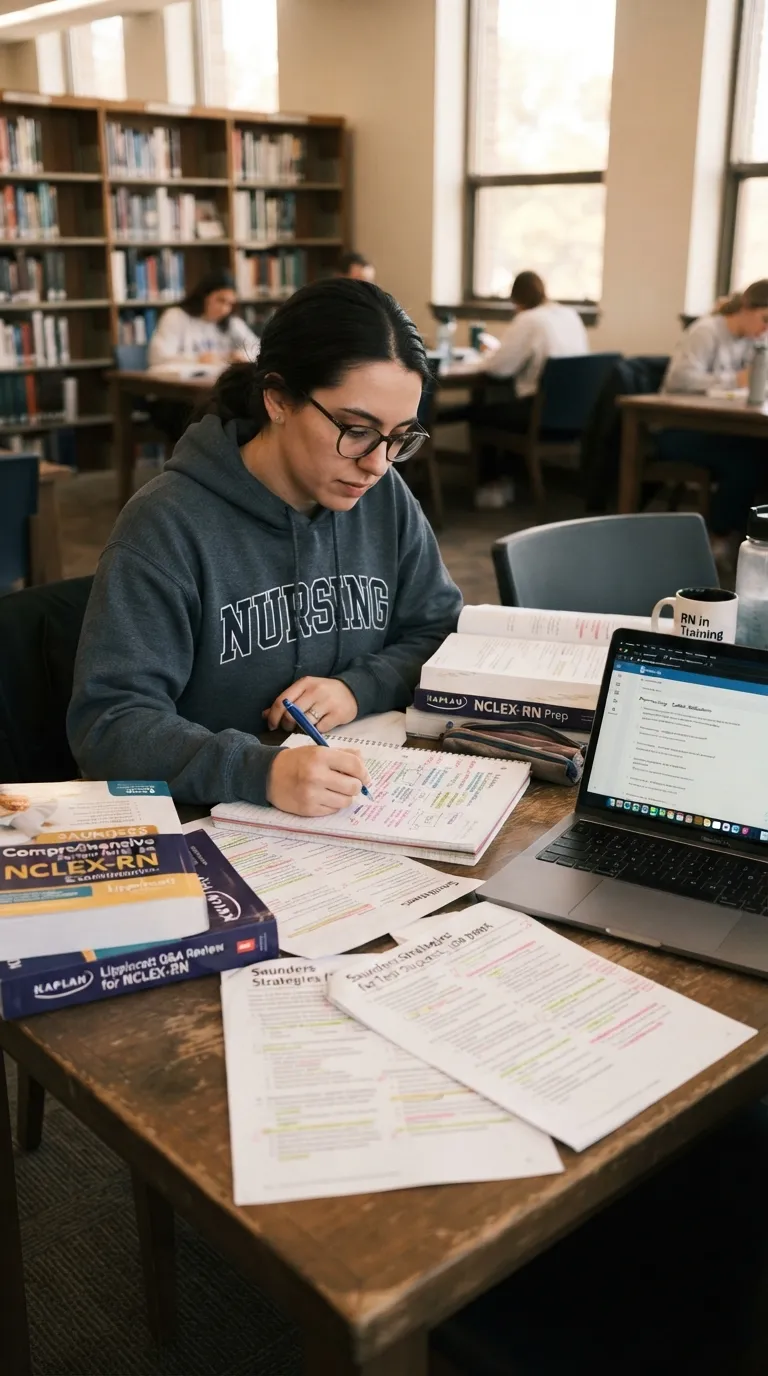
Preparing for nursing exams requires more than collecting notes; it requires learning how to apply knowledge in patient situations. Regular practice with scenario-based questions helps develop the decision-making skills needed for challenging assessments.
11. Memory Techniques
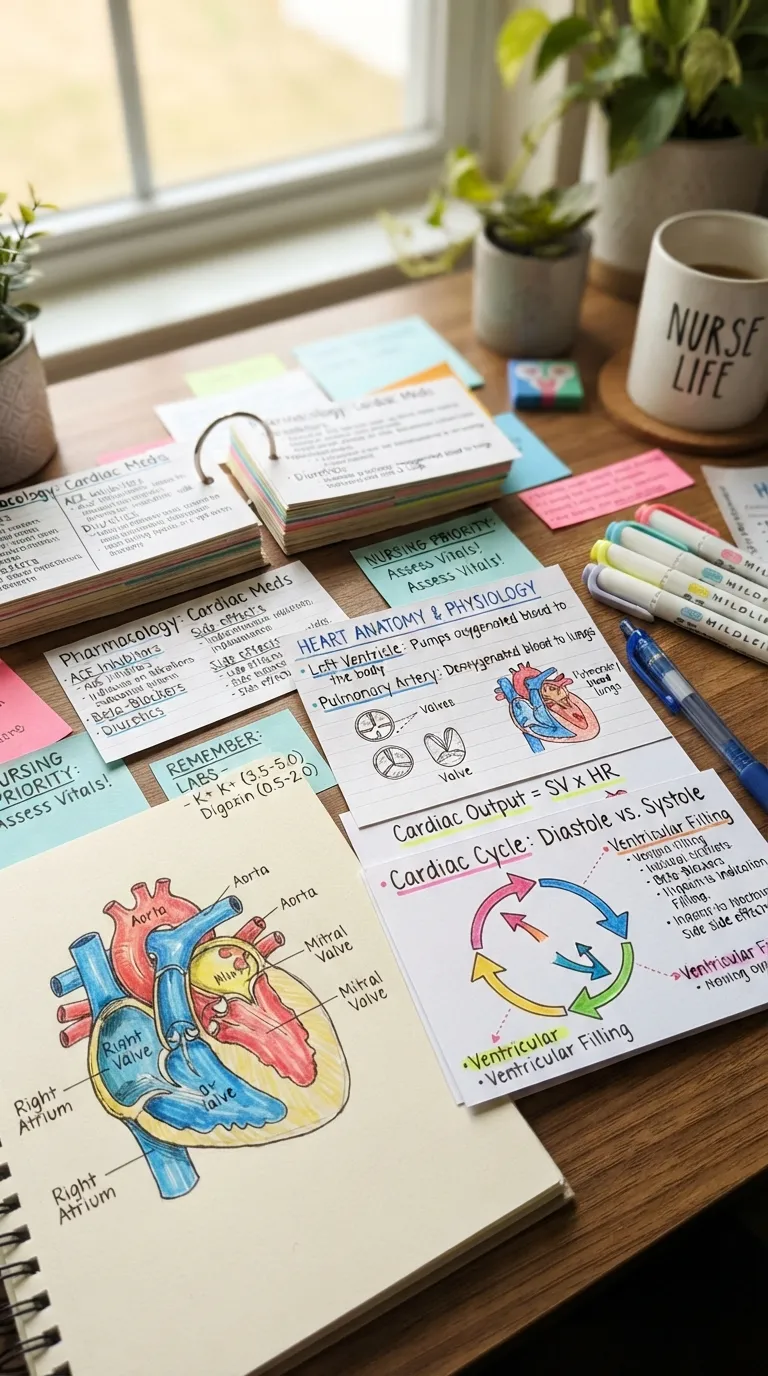
Strong memory techniques make difficult nursing information easier to retrieve under pressure. Creating personal connections with concepts often works better than repeating facts because the brain remembers meaningful patterns more effectively.
12. Anatomy Review
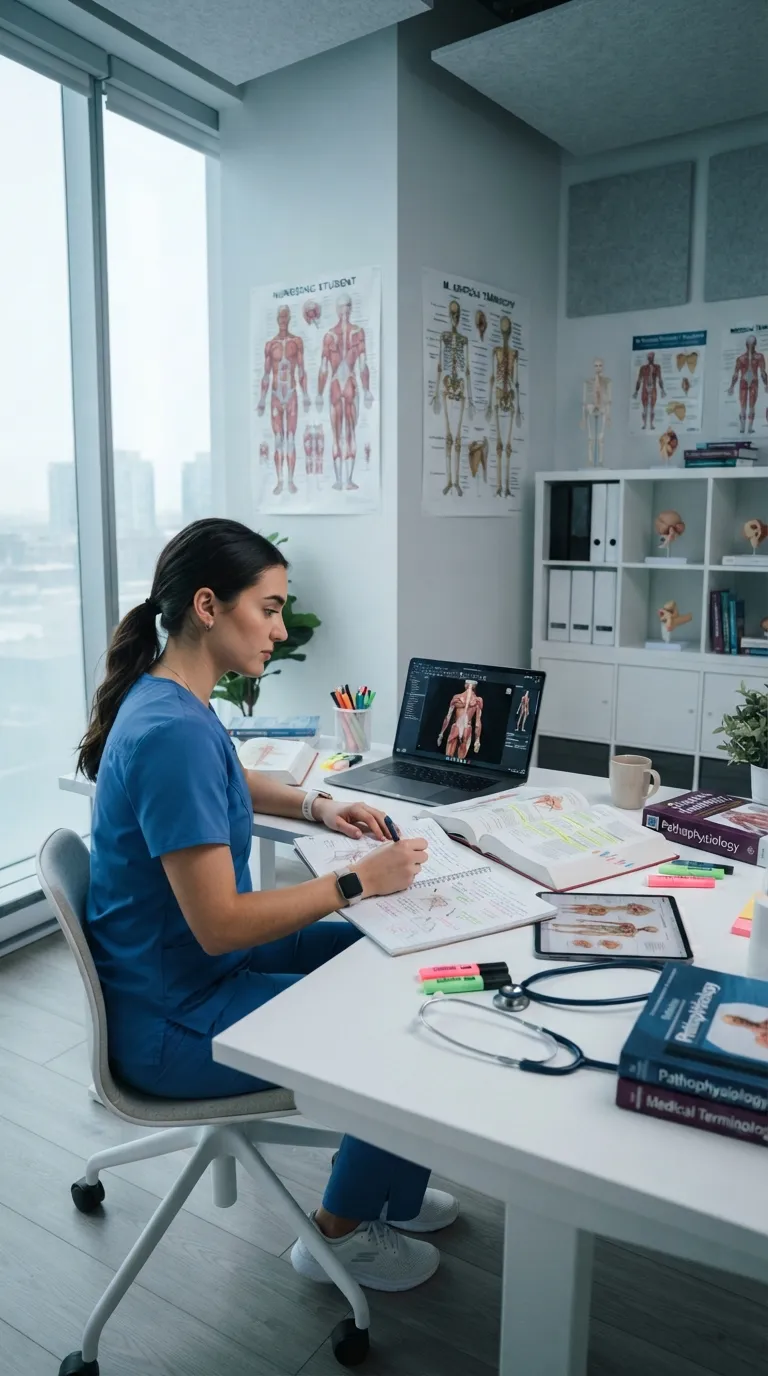
Anatomy becomes easier when students understand how body systems interact instead of memorizing separate lists. Building a strong foundation early helps with later topics like assessments, medications, and clinical decision-making.
13. Pharmacology Charts
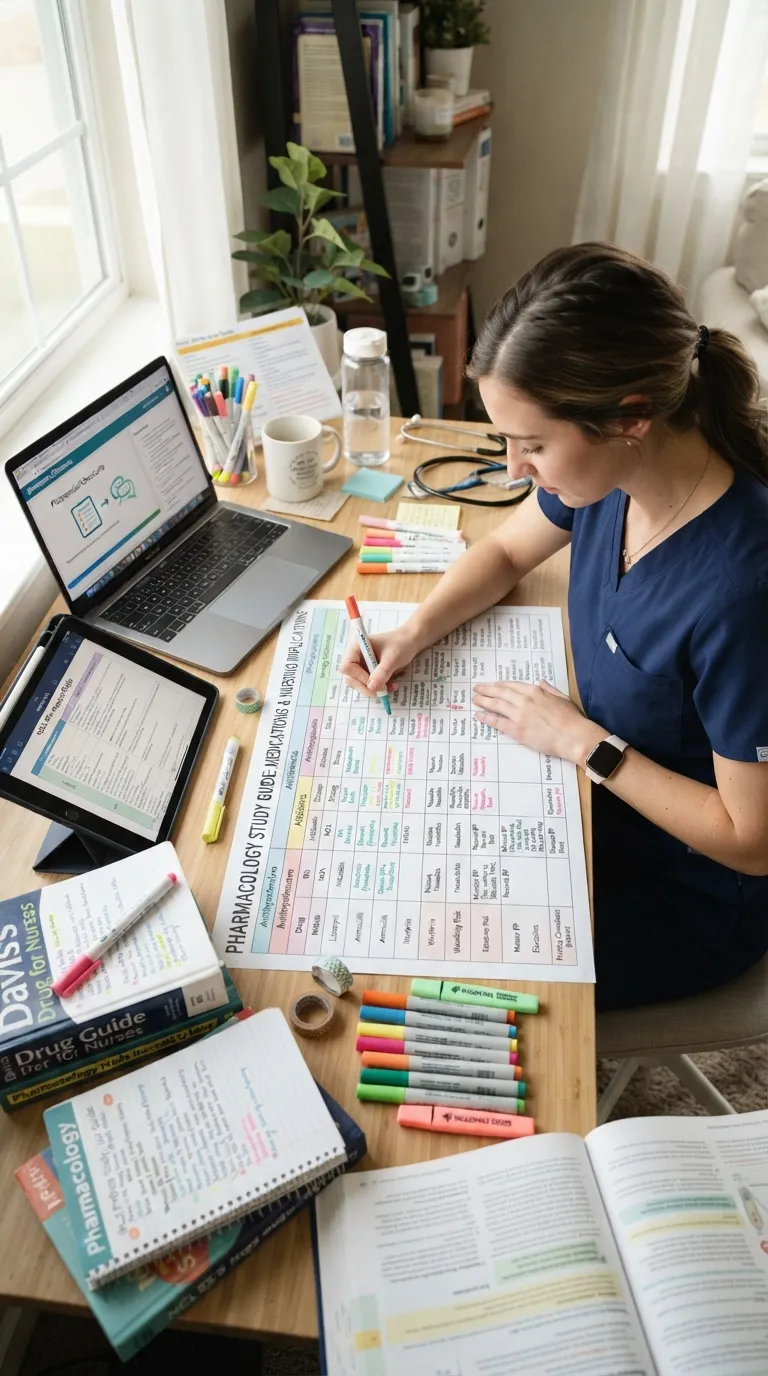
Pharmacology can feel challenging because every medication has multiple details to remember. Creating comparison charts helps students quickly recognize differences between drug classes and focus on information that matters in patient care.
14. Time Management Skills
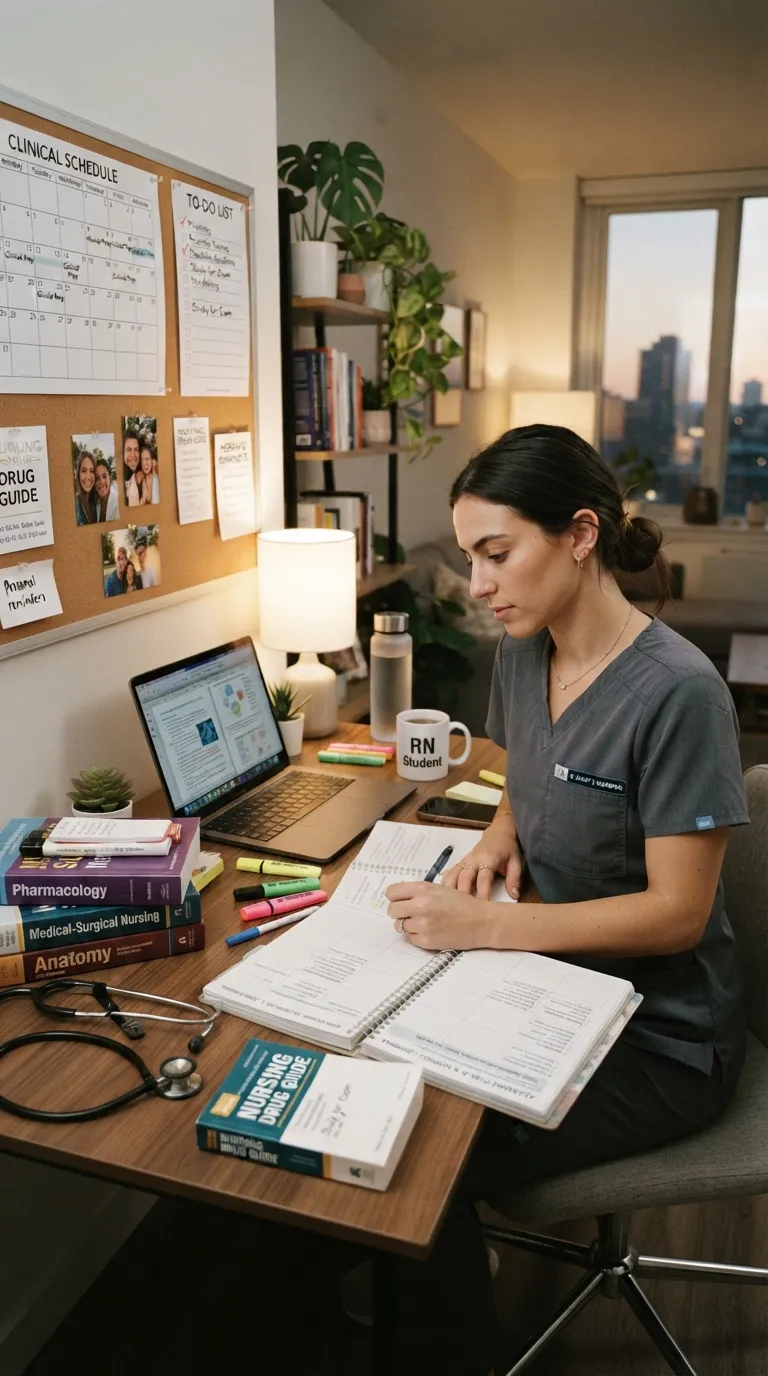
Managing time well is one of the biggest challenges in nursing school. A practical routine helps students protect study hours while still leaving enough energy for clinical practice, sleep, and personal responsibilities.
15. Digital Study Tools

Technology can make nursing study more flexible when used with a clear purpose. Digital resources work best when they support active learning rather than becoming another source of distraction during study sessions.
16. NCLEX Question Review
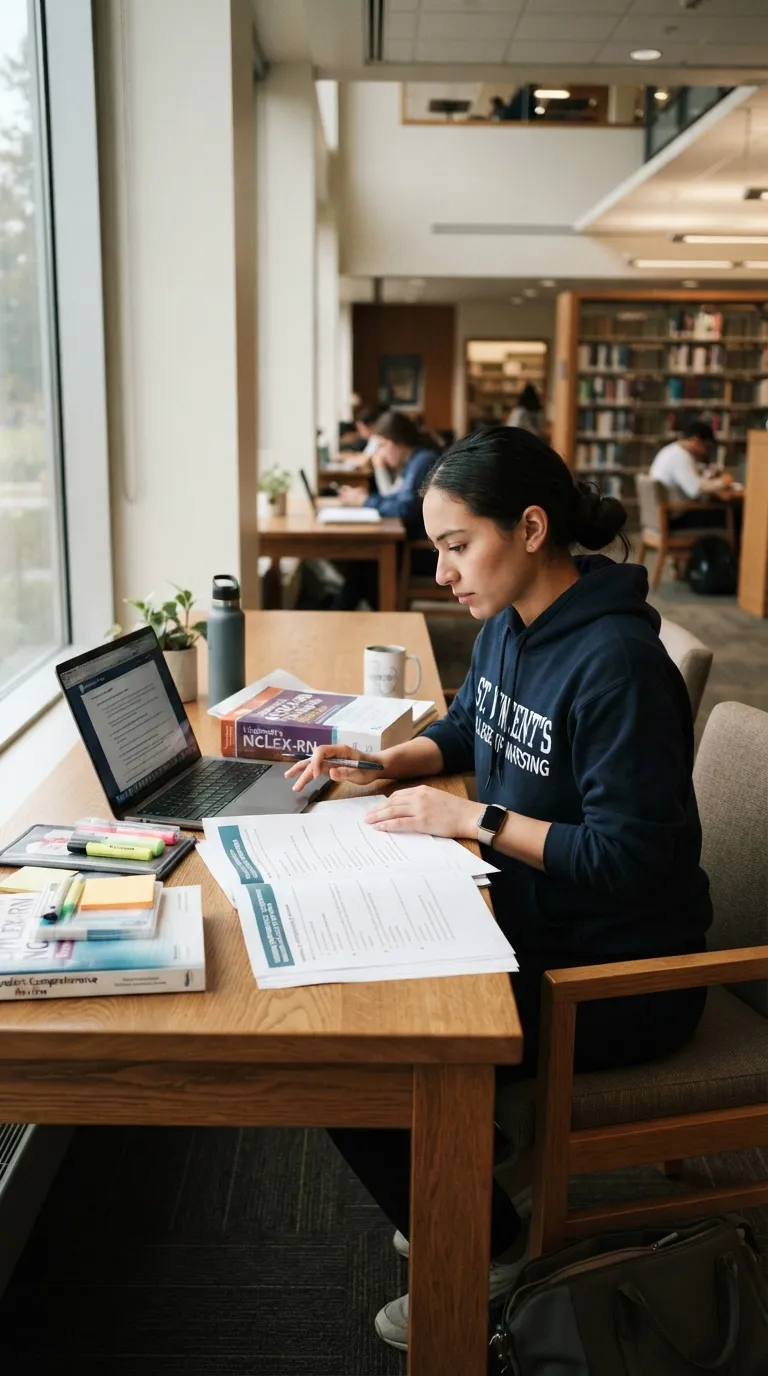
Reviewing practice questions becomes more powerful when students focus on their thinking process. Understanding why choices are right or wrong builds stronger clinical reasoning skills than memorizing answer patterns.
17. Study Environment

Your environment can influence how effectively you study. A simple, organized workspace removes small distractions and makes it easier to start studying even on busy nursing school days.
18. Clinical Reflection

Clinical experiences become more valuable when students take time to reflect on what they learned. Writing short observations after rotations can help identify strengths, improve confidence, and prepare for future patient care situations.
19. Healthy Study Habits

Successful studying is not only about spending more hours with books. Creating healthy routines allows nursing students to maintain energy, focus better, and handle the demanding pace of classes and clinical responsibilities.
20. Exam Day Preparation
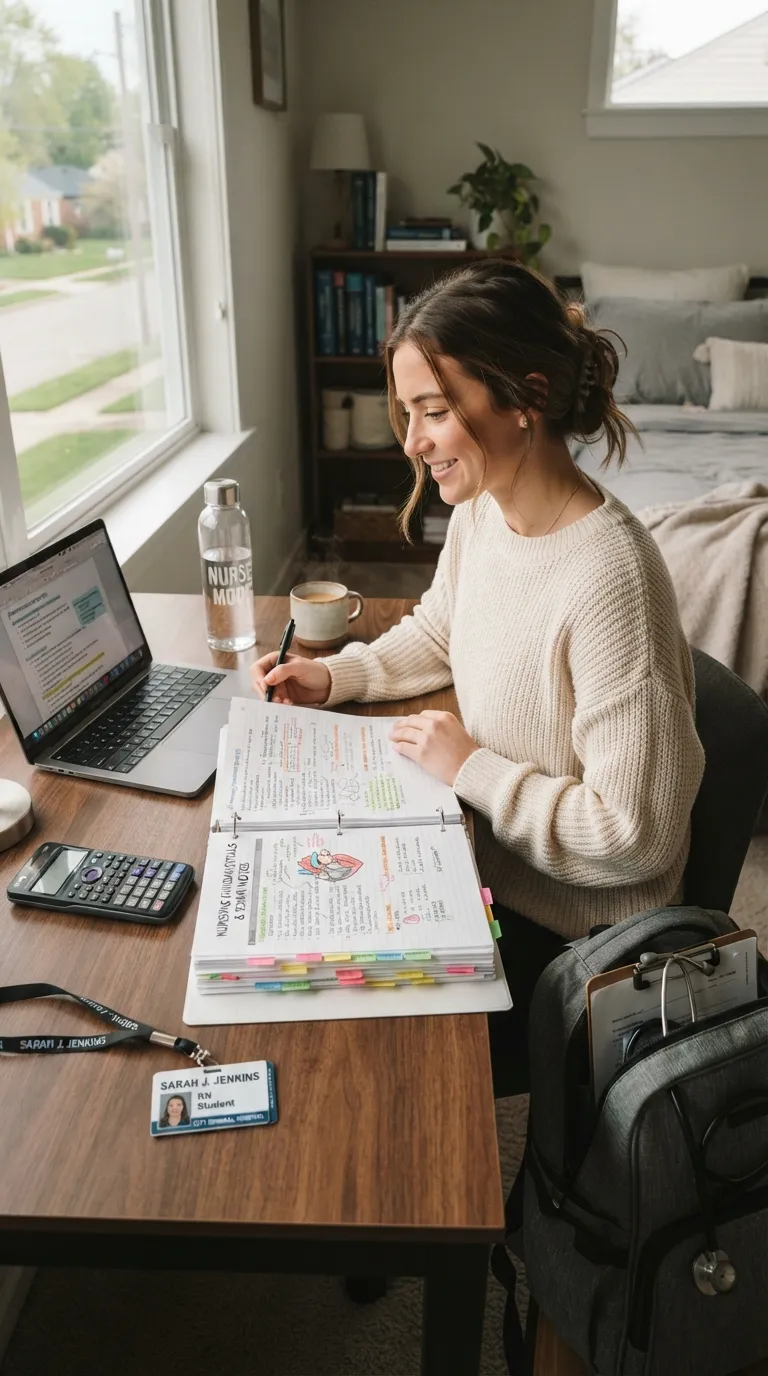
The best exam preparation happens before the test day arrives. Simple habits like organizing supplies, reviewing key concepts calmly, and protecting your sleep can help you approach nursing exams with a clearer and more confident mindset.
Conclusion
Use tools like concept maps, medication charts, and practice questions to turn complex nursing topics into easier study steps.Start with a consistent schedule and active recall because these habits create the biggest improvement over time.Save these Nursing Student Study Tips on Pinterest and try one new strategy today for a more confident nursing journey.
Keep Reading
 Nursing School
 22 Study Tips for Nursing Students to Succeed
These Study Tips for Nursing Students provide practical strategies to study smarter, manage coursework, and bu…
 Nursing School
 Nursing Exam Study Tips for Better Results
These Nursing Exam Study Tips reveal practical strategies to prepare smarter, improve test performance, and fe…
 Nursing School
 18 Brilliant School Nurse Hacks That Really Work
This article shares effective school nurse hacks that simplify daily tasks, improve student support, and creat…