

Nursing Exam Study Tips for Better Results
These Nursing Exam Study Tips reveal practical strategies to prepare smarter, improve test performance, and feel more confident before nursing exams.Discover effective methods for reviewing concepts, practicing questions, and building stronger clinical thinking skills.Explore these proven ideas to create a focused exam preparation routine.
1. Exam Blueprint Review
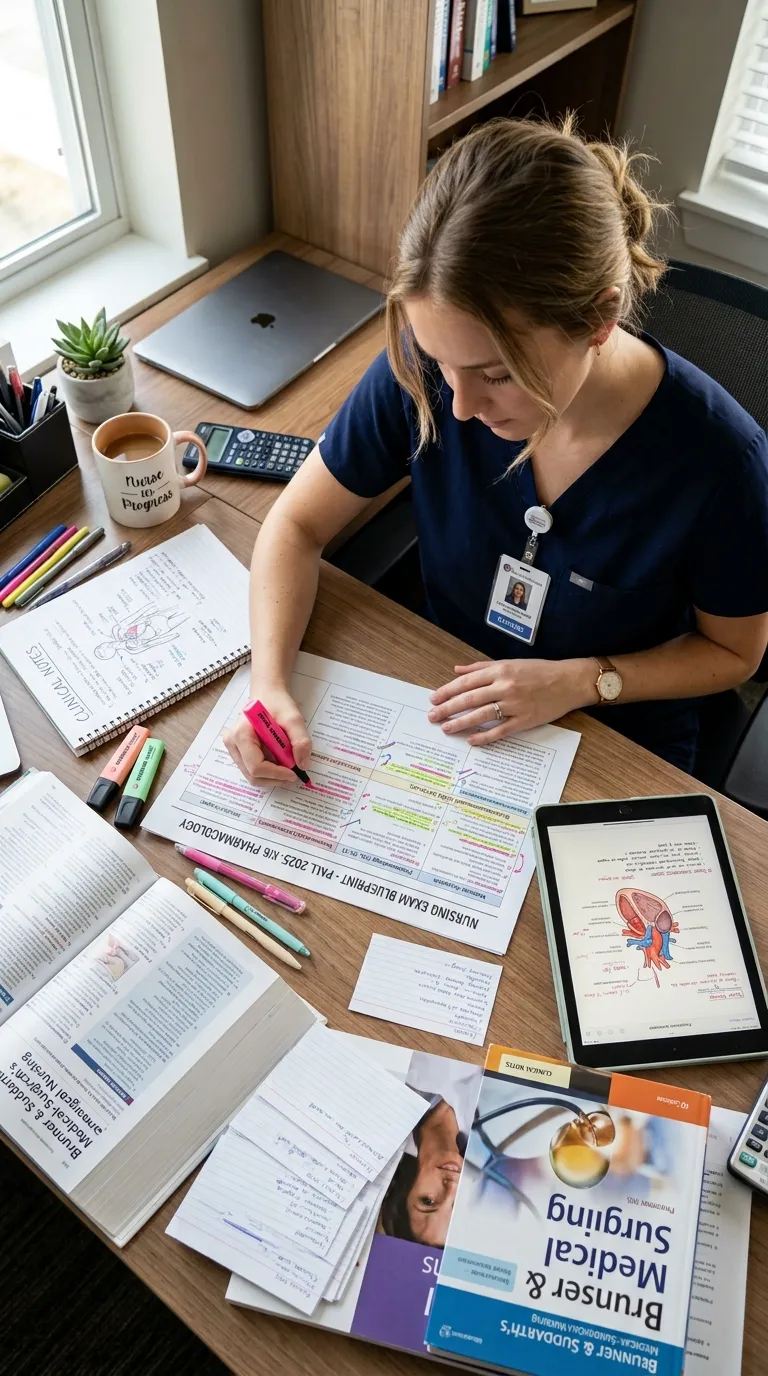
Understanding what an exam actually measures can make studying more efficient. Instead of spending equal time on every topic, a blueprint helps nursing students focus on areas where their knowledge will have the greatest impact.
2. Priority Topic Lists
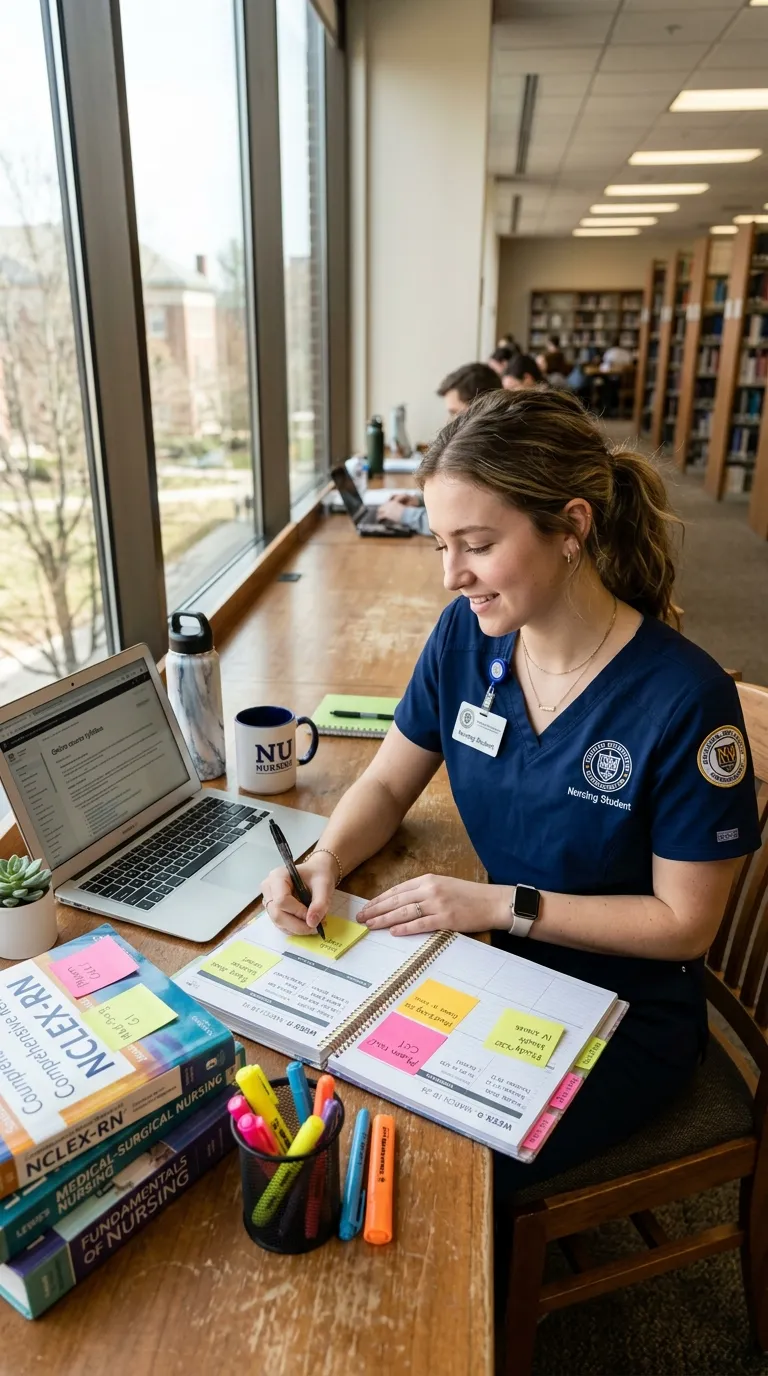
A focused priority list prevents wasted study hours and creates a clearer path before exams. Many students improve their results when they stop trying to master everything at once and concentrate on the concepts that need attention most.
3. Case Study Practice

Case-based learning prepares students for the way nursing exams often test judgment and application. Practicing patient scenarios builds confidence because it trains the mind to organize information like a healthcare professional.
4. Weak Area Tracking
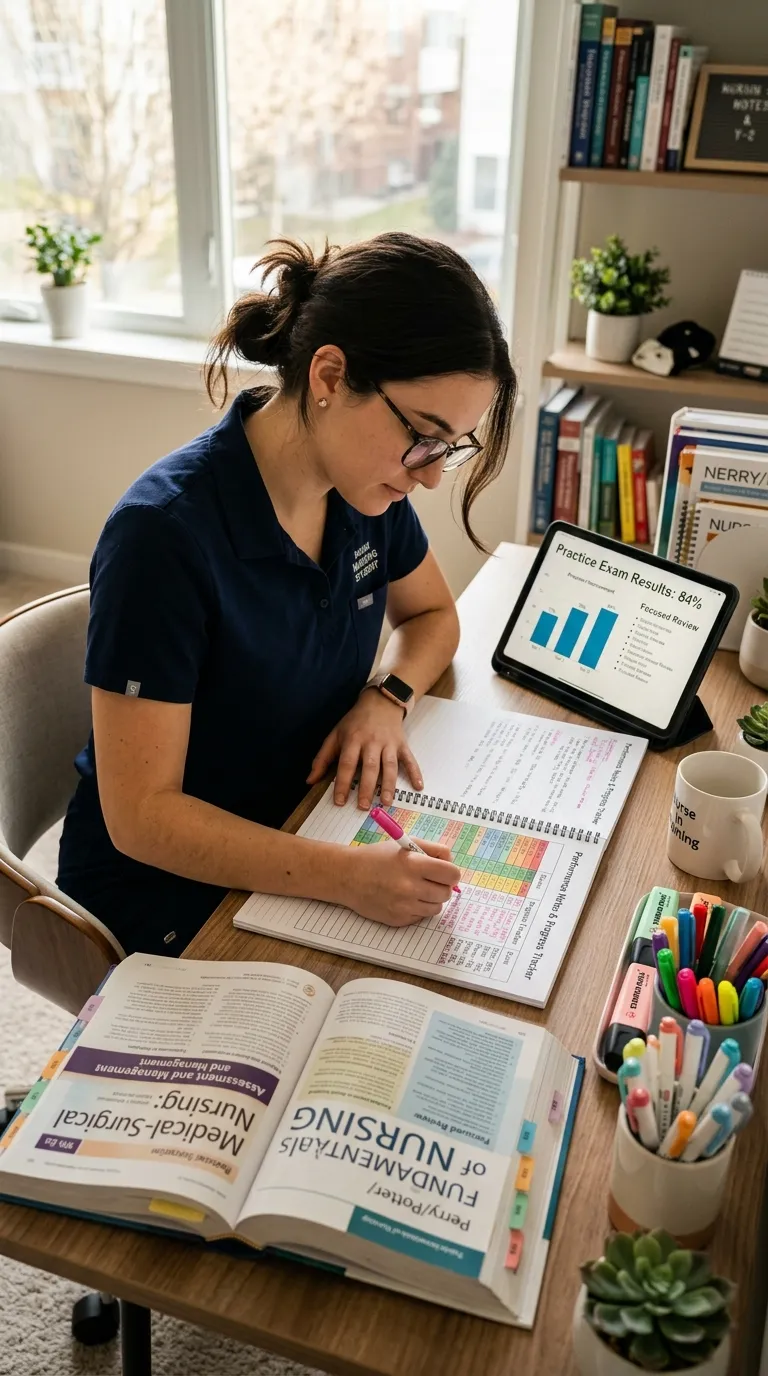
Knowing exactly where you struggle can make exam preparation much more effective. Instead of repeating familiar topics, tracking weak areas allows students to spend more time improving the concepts that affect their scores.
5. Clinical Priority Practice
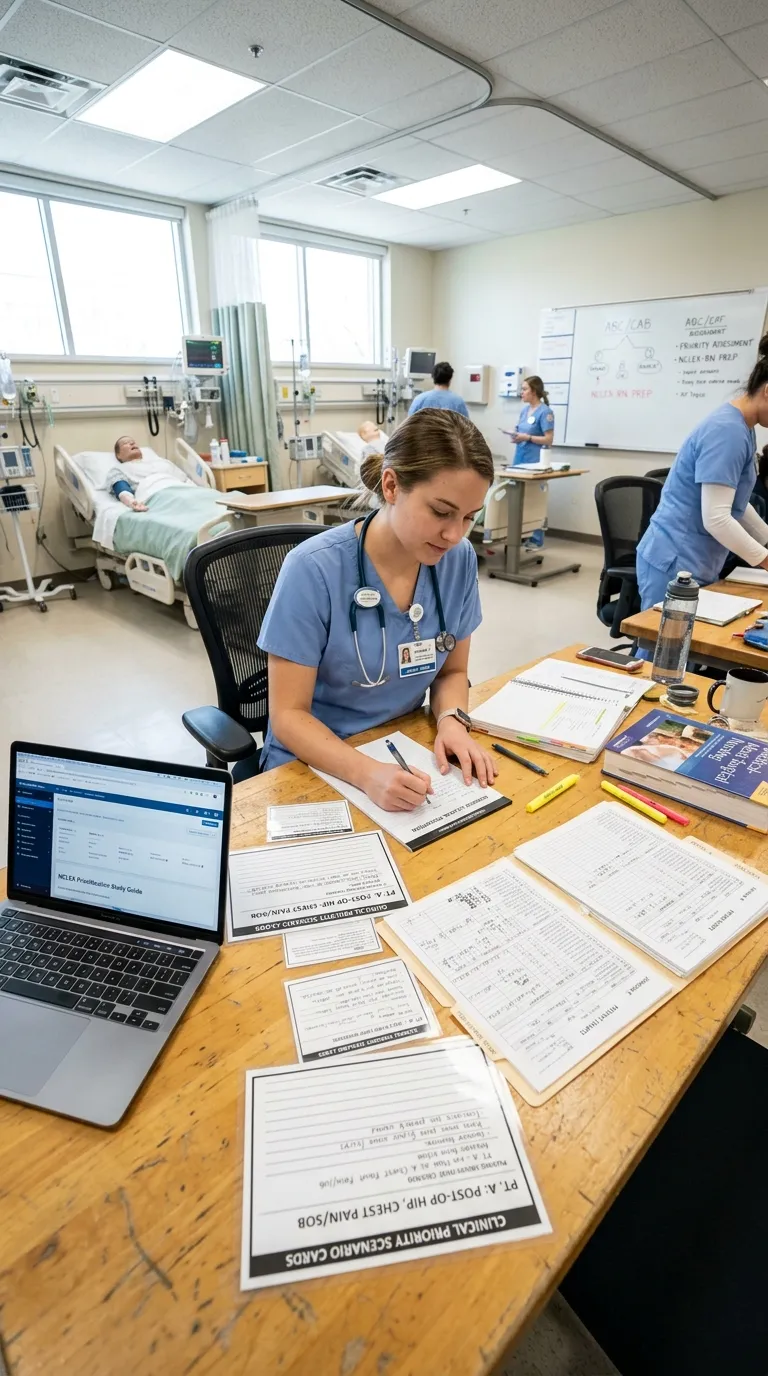
Nursing exams often challenge students to decide what matters most first. Practicing priority questions helps develop the judgment skills needed for both academic success and future patient care.
6. Review Before Sleep

A calm evening review routine can help students feel prepared without creating extra stress. Reviewing key points before rest works best when it supports learning rather than replacing proper sleep and recovery.
7. Timed Practice Tests
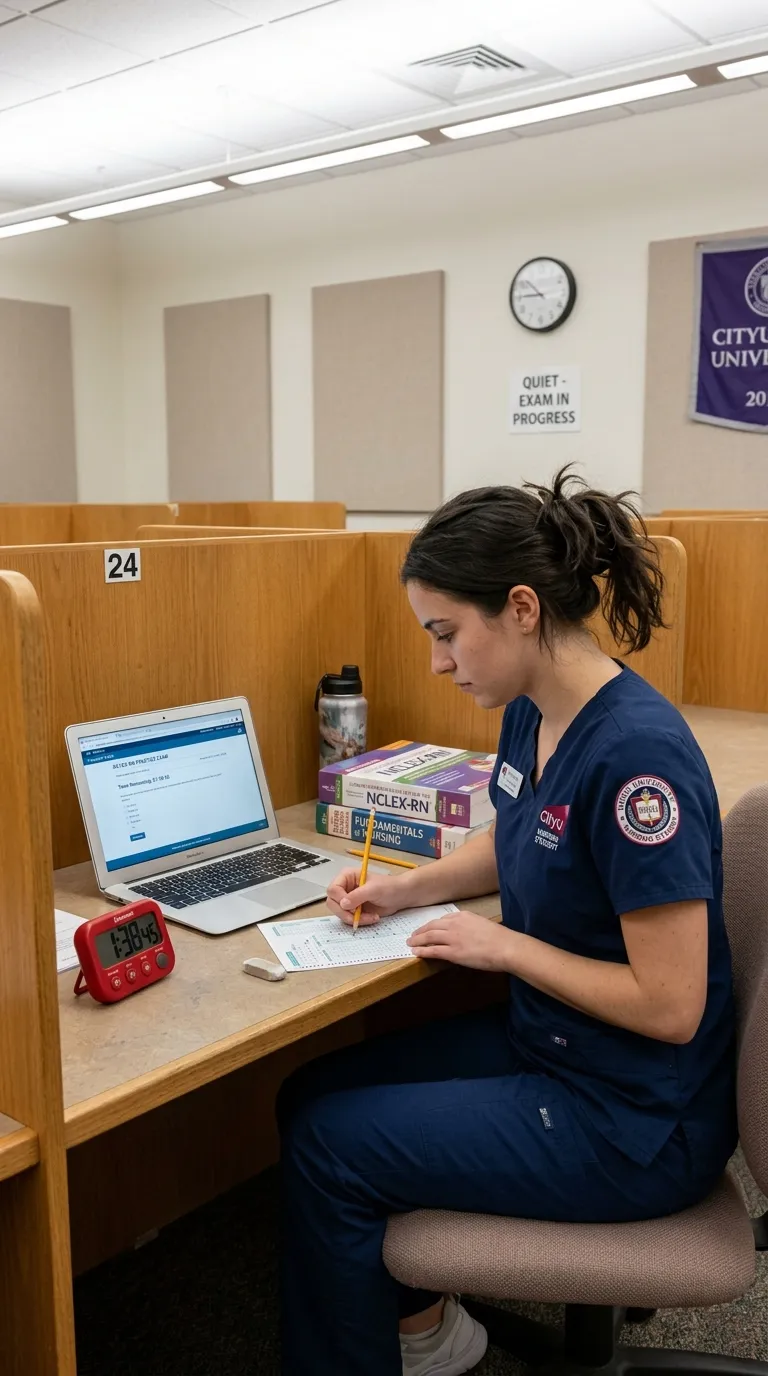
Practicing under timed conditions prepares students for the pace of real nursing exams. It helps build confidence by making the testing environment feel familiar before the actual exam day arrives.
8. Question Rationale Review

Reading rationales is where many students discover the difference between knowing information and applying it. Careful review teaches the reasoning patterns behind nursing questions and improves decision-making over time.
9. Audio Study Methods

Audio learning gives nursing students another way to review information during busy days. Explaining concepts aloud or listening to personal recordings can reinforce understanding, especially for topics that require repeated exposure.
10. Memory Review Cycles
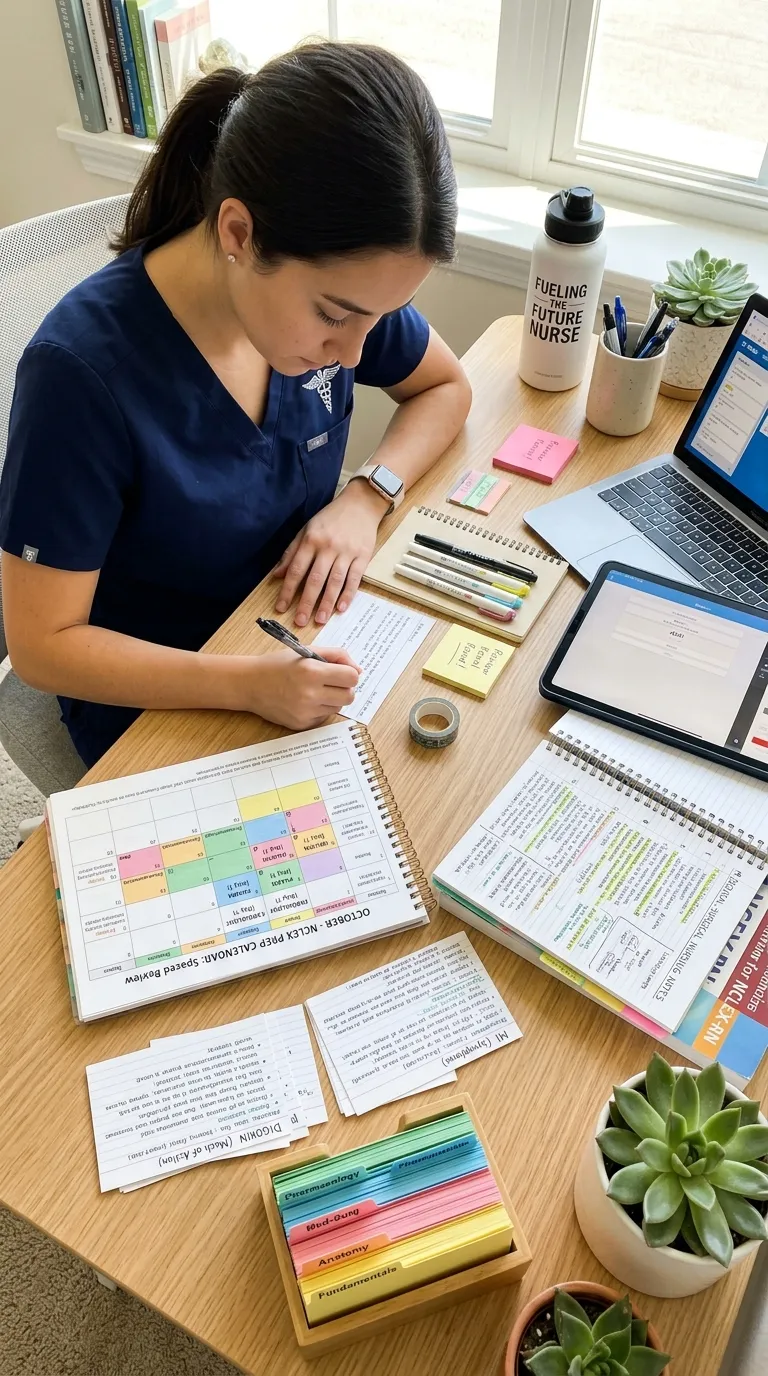
Memory improves when information is revisited at the right intervals instead of being studied once and forgotten. A planned review cycle helps nursing students strengthen important concepts before they need them most.
11. Disease Comparison Charts
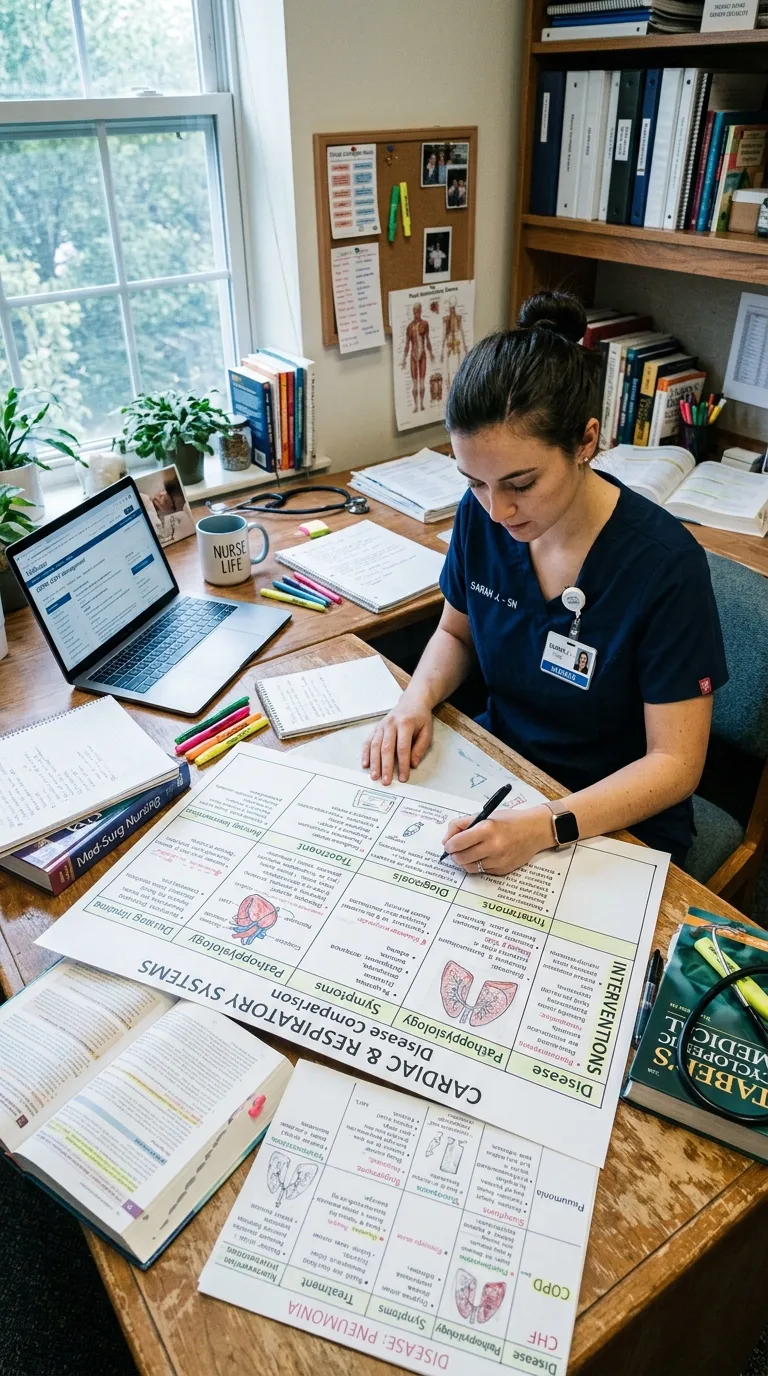
Comparison charts help organize complicated information into patterns that are easier to recognize. When similar conditions are placed side by side, students can quickly identify differences that exam questions often test.
12. Test Anxiety Control
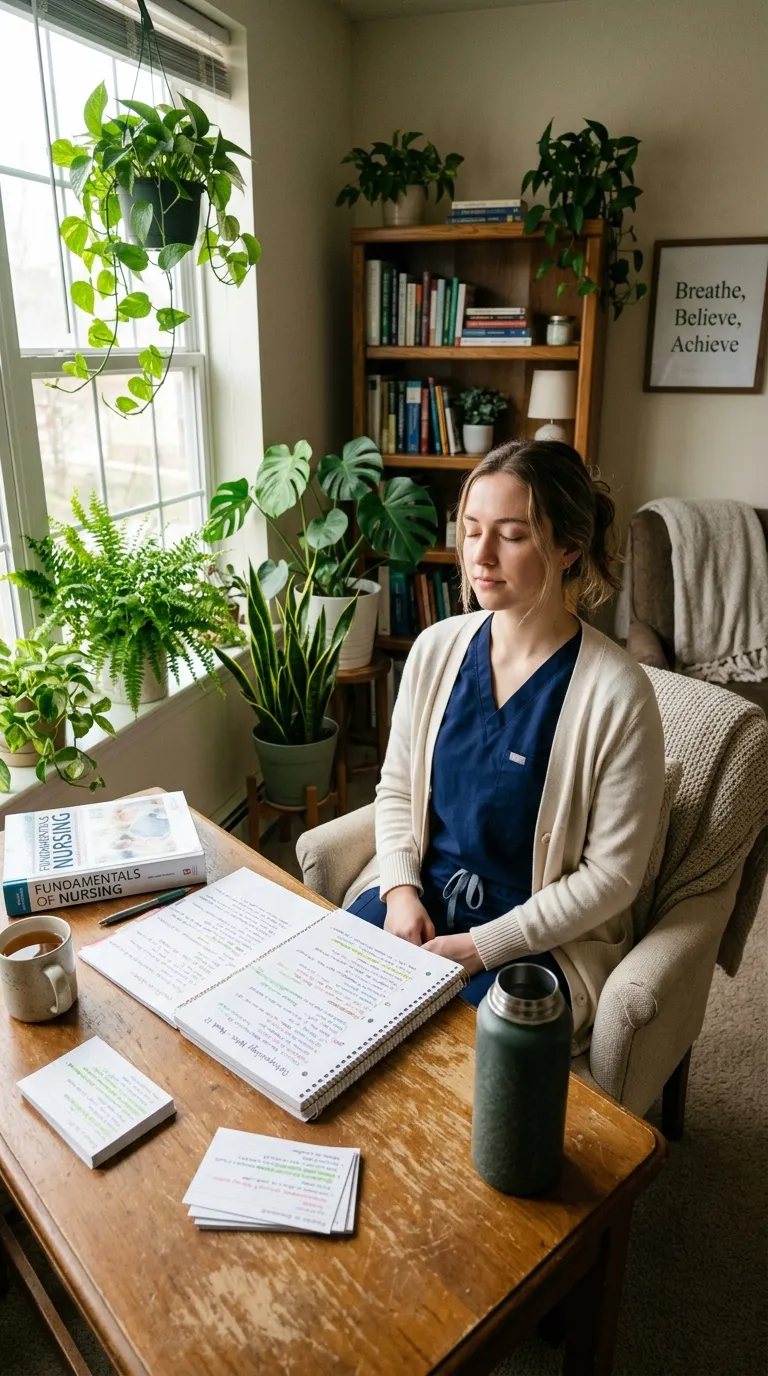
Managing exam stress is an important part of performing well. A prepared mind works better under pressure, and simple routines before testing can help students approach questions with more clarity and confidence.
13. Lecture Material Review
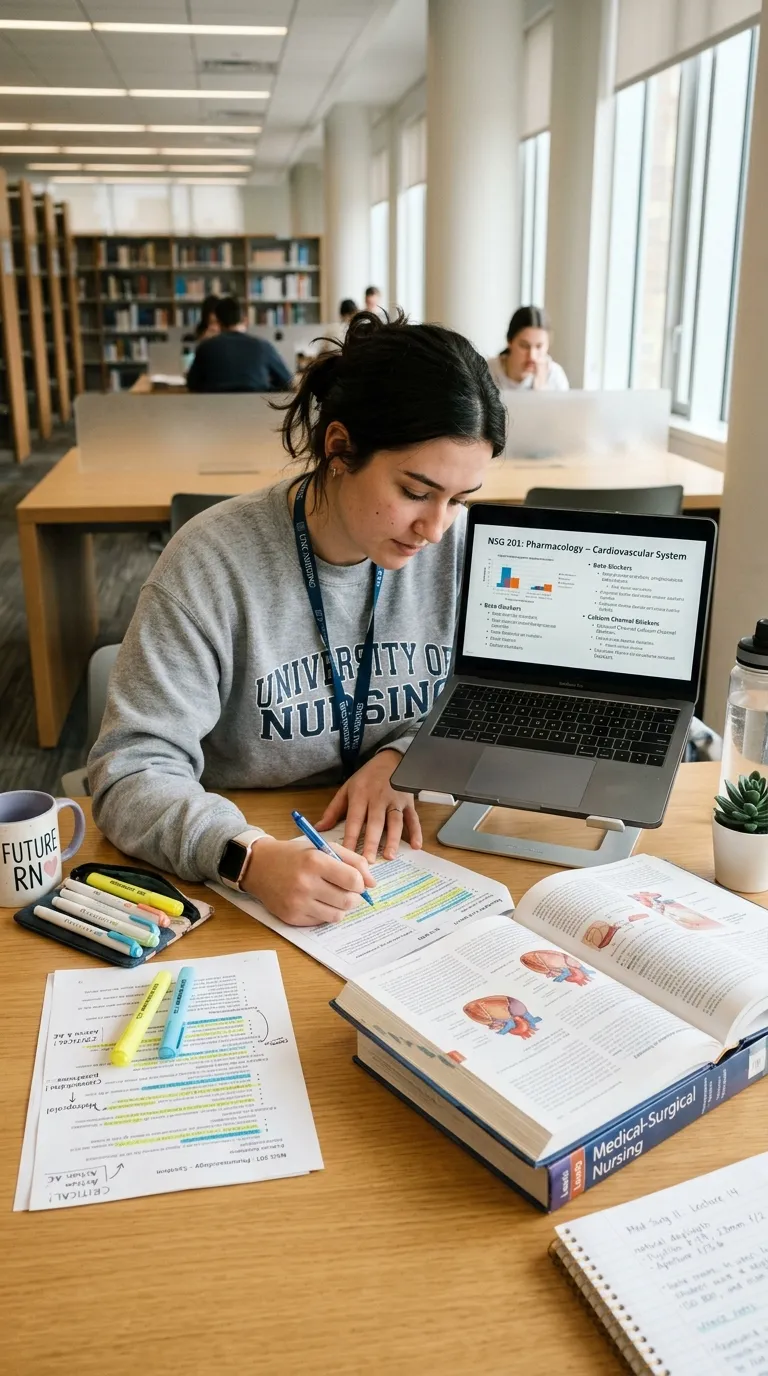
Lecture content often reflects what instructors consider important for assessments. Reviewing materials strategically helps nursing students recognize key concepts instead of spending equal time on every detail.
14. Study Partner Discussions

Talking through challenging concepts can reveal gaps that silent studying may hide. Explaining a topic to another person encourages deeper understanding and helps students practice the communication skills needed in nursing.
If this resonated with you, Nursing Student Study Tips might too.
15. Formula Practice Sessions

Dosage calculations require accuracy and confidence, which comes from repeated practice. Building a consistent calculation routine helps students reduce mistakes and approach medication math questions with greater comfort.
16. Study Material Organization
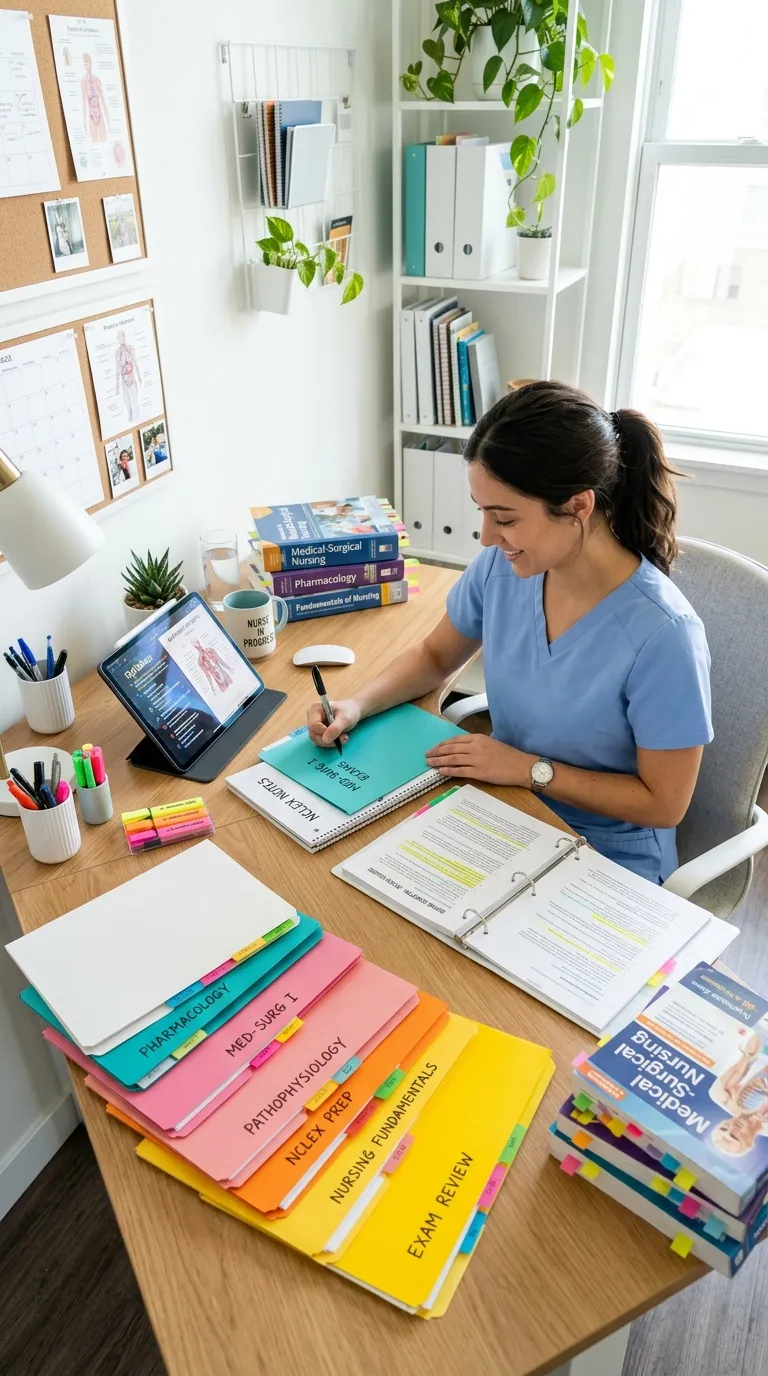
An organized study system saves valuable time when exams approach. Instead of searching through scattered resources, students can quickly find important information and spend more energy actually learning.
17. Visual Learning Boards
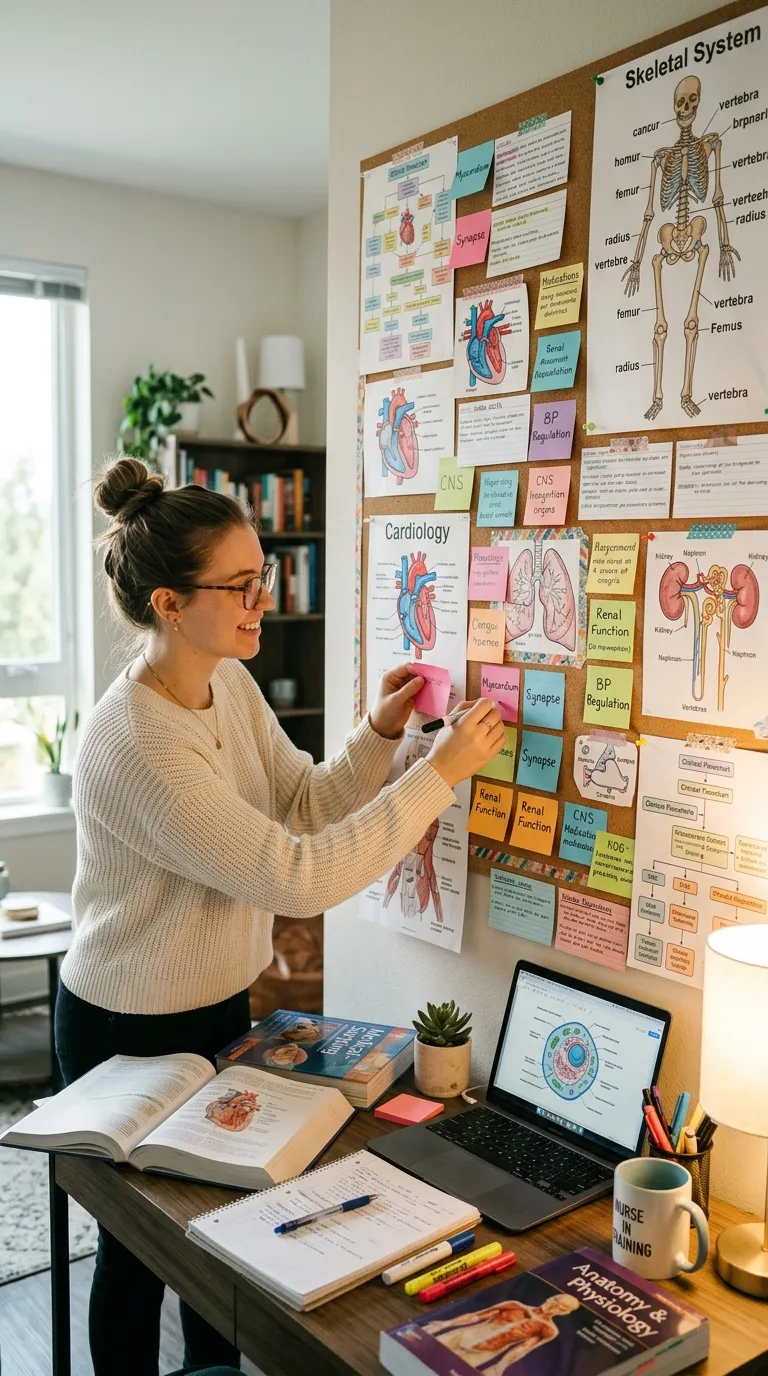
Visual learning boards turn passive study materials into daily reminders. Seeing important concepts repeatedly can strengthen recognition and make complex information feel more familiar before exam day.
18. Morning Exam Routine

A thoughtful exam morning routine can influence confidence before the first question appears. Simple preparation steps reduce distractions and allow students to focus their energy on demonstrating what they already know.
19. Instructor Feedback
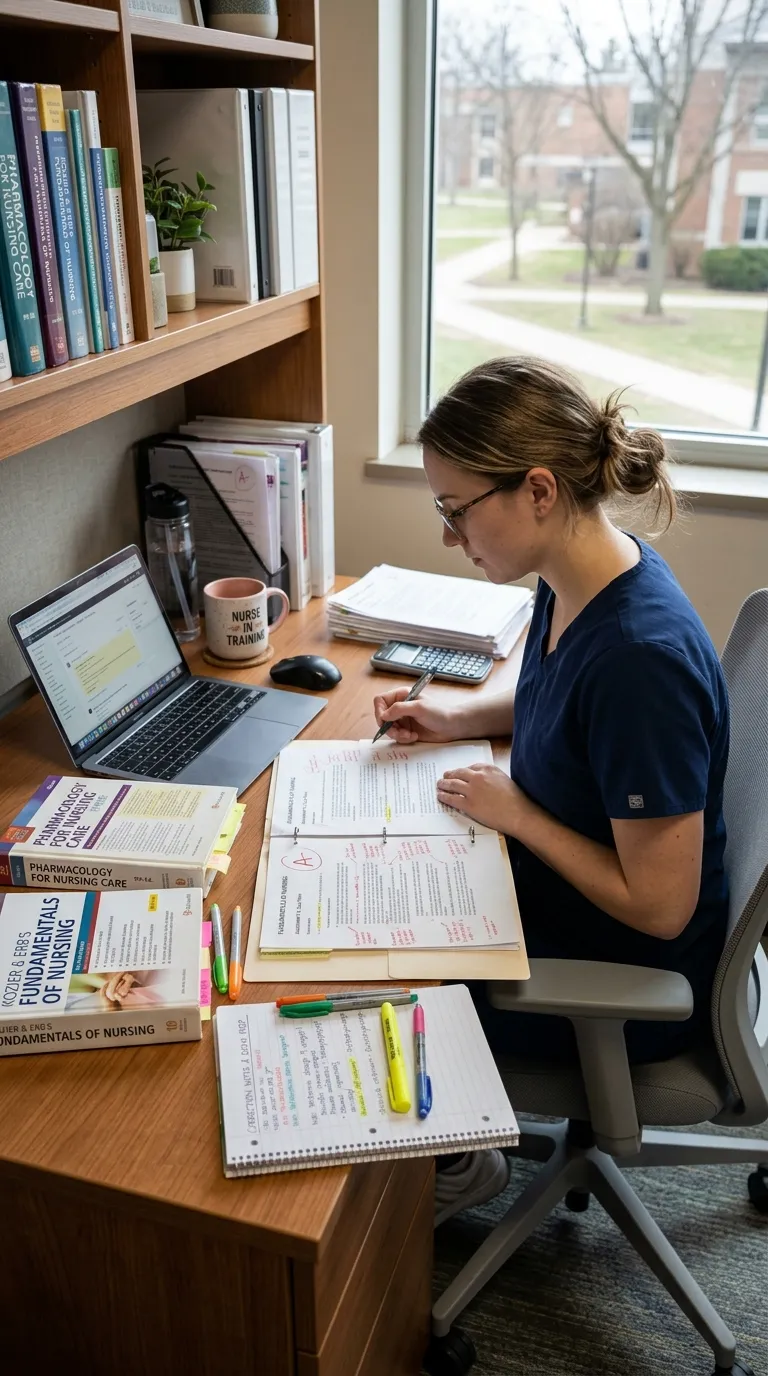
Instructor feedback provides valuable clues about how to improve future performance. Students who use comments as learning tools often discover exactly where their understanding or exam approach needs adjustment.
20. Final Topic Review
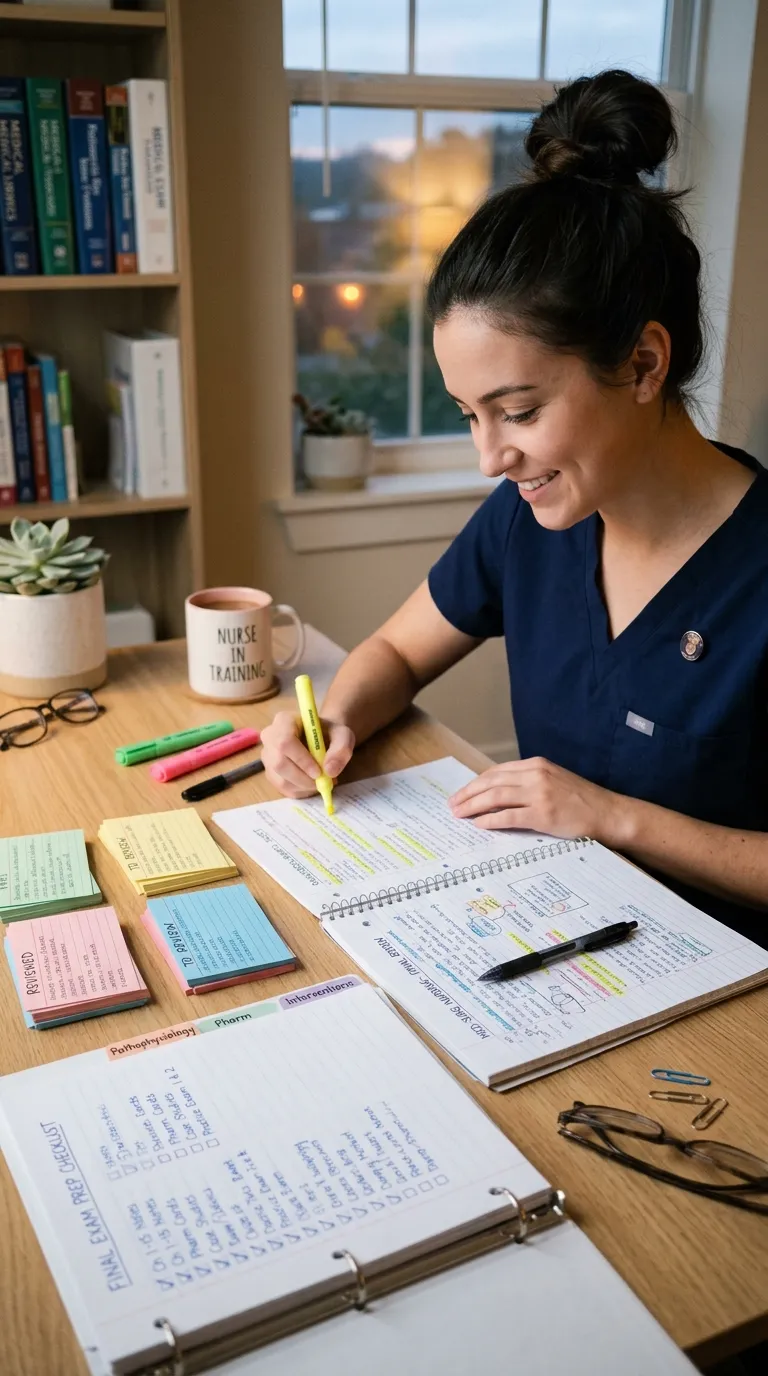
A final review should strengthen confidence rather than create panic. Concentrating on summaries, common mistakes, and important concepts helps students walk into exams feeling prepared and organized.
21. Confidence Building

Strong exam results come from preparation habits that build both knowledge and confidence. When students combine smart review methods with consistent practice, they create a stronger foundation for nursing school success and future clinical challenges.
Conclusion
Track weak areas, practice case questions, and review rationales to improve how you approach challenging nursing exams.Start with a clear priority plan because focused preparationcreates better results than random studying.Save these Nursing Exam Study Tips on Pinterest and use these strategies to build confidence for your next exam.
Keep Reading
 Nursing School
 22 Study Tips for Nursing Students to Succeed
These Study Tips for Nursing Students provide practical strategies to study smarter, manage coursework, and bu…
 Nursing School
 20 Nursing Student Study Tips That Actually Work
These Nursing Student Study Tips share practical ways to improve studying, prepare for exams, and build strong…
 Nursing School
 18 Brilliant School Nurse Hacks That Really Work
This article shares effective school nurse hacks that simplify daily tasks, improve student support, and creat…