
The night before a pharmacology exam, the desk is covered, the drug list is three pages long, and the bare wall above the desk is the only study space left. A good pharmacology poster turns that wall into a second memory: the classes, checks and warning signs you keep meeting, laid out where your eyes land every day. These 10 poster ideas cover the map, the suffixes, the antidotes, the labs and the red flags, each one built from facts you can verify and reuse all term.
None of them needs art skills or a printer budget. Plain paper, thick markers and one clear job per poster do the work, as long as every fact on the wall matches a current drug reference. Build two this week, add the rest as the term moves, and let the wall teach you in the minutes between classes.
The Class Map Poster

Start with the map. Divide one large sheet into zones by body system, then give every drug class its own color inside the zone where it works: cardiac in one color, infection in another, pain in a third. Under each class name, add the two or three member drugs you meet most, plus the one check the whole class shares.
The color does the remembering. When a new drug lands in a color you already know, its side effects and checks come with the territory, because members of a class behave alike. The cardiac zone shows it well: every drug filed under statins shares the same muscle and liver checks, whichever member the exam names.
Study tip: Leave one empty box in each zone. New classes arrive all term, and a map with room to grow gets updated instead of replaced.
The Suffix Decoder Poster
Drug names stop looking random once the endings stand out. Build a poster with one row per ending: -olol for beta blockers, -pril for ACE inhibitors, -sartan for angiotensin receptor blockers, -dipine for calcium channel blockers, -azole for antifungals and -cillin for penicillin antibiotics. Pair the poster with the class patterns in your pharmacology mnemonics, and an unfamiliar name on a test becomes a class you already know how to handle.
- Spot the ending first, before you read the rest of the name.
- Name the class the ending points to, out loud.
- Recall the class checks: the labs, vitals and warning signs that class always carries.
- Verify the drug against a current reference before you trust the guess.
The Antidote Wall Chart
One chart, six rescue pairings, learned before you ever need them. Naloxone reverses opioid overdose. Protamine reverses heparin. Vitamin K reverses warfarin. Acetylcysteine protects the liver after acetaminophen overdose, and glucagon is the rescue drug taught for beta blocker overdose.
Flumazenil sits on the chart with a caution mark: it reverses benzodiazepines, yet it can trigger seizures in a patient who depends on them, so it is used carefully and rarely. The full set, with the checks that surround each one, sits in the reversal agents notes. Knowing the rescue drug is part of knowing the drug.
Study tip: Quiz the chart backwards. Name the overdose first, then say the rescue drug, because exams present the emergency, not the answer.
The Insulin Timeline Poster
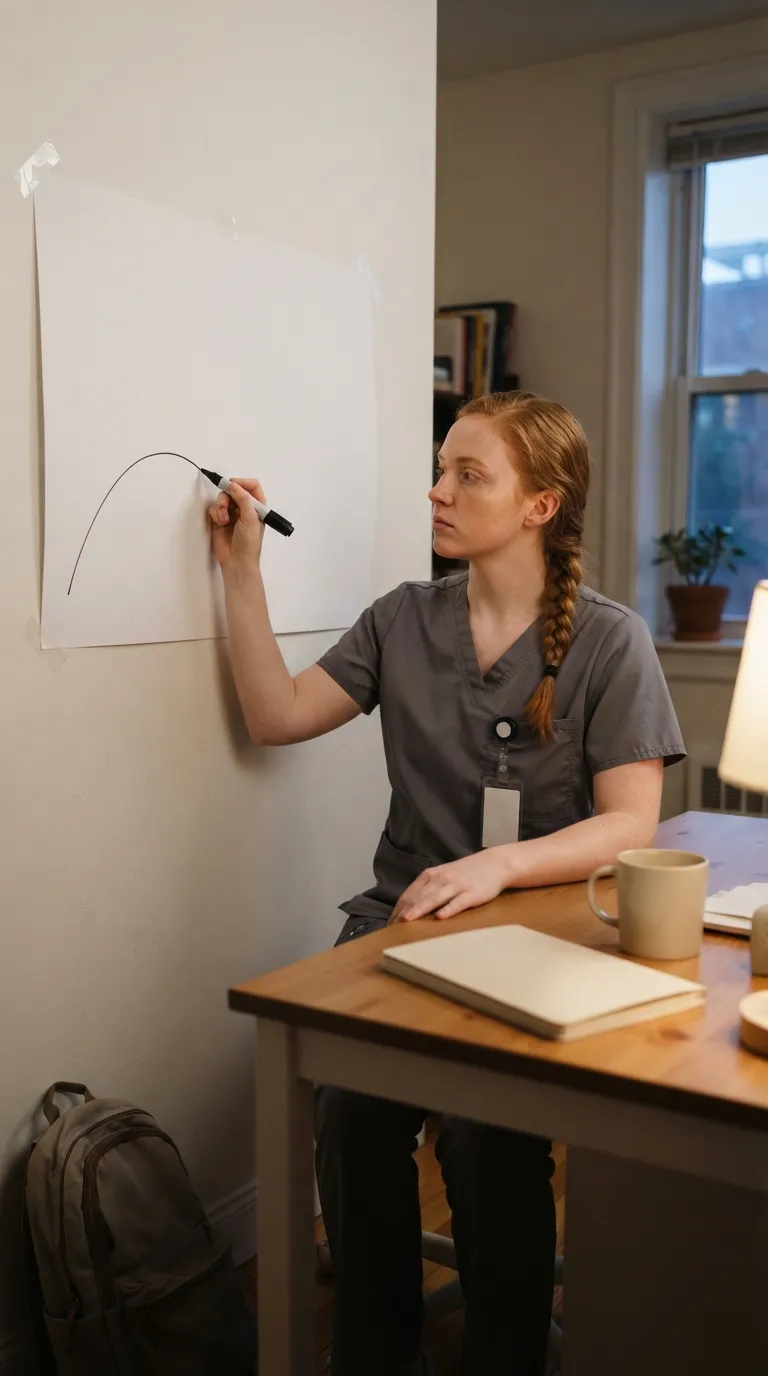
Insulin questions turn on timing, and timing is easier to see than to memorize. Draw one long timeline and sketch each type as a curve: the rapid and short-acting curves climb steeply and end quickly, the intermediate curve rises and falls across the middle, and the long-acting curve runs low and nearly flat. Label each curve with its three landmarks: onset, when it starts; peak, when it works hardest; duration, how long it lasts.
- Draw shapes, not numbers: the shape is what the exam describes.
- Mark where meals and glucose checks fall against the peak.
- Check exact times against a current chart before you add them.
- Redraw the curves from memory weekly until they come out right.
The Lab Watch Poster

Some posters earn their wall space by pairing a drug class with the lab that guards it. Potassium and kidney function sit beside the ACE inhibitors, because a normal potassium runs 3.5 to 5.0 mEq/L and a rising potassium is the danger that class can create. Glucose sits beside the glucose-lowering drugs, watched at meals and at bedtime.
The INR row belongs to warfarin, with the range most patients aim for written large: 2.0 to 3.0 for most indications. Add one more pairing students forget: potassium beside digoxin, because low potassium makes digoxin toxicity more likely even at an unchanged dose.
Study tip: Write every range in the same corner of its row, so your eye learns where to land when a question asks for the number.
Study tip: Check every poster against a current drug reference at the start of each term. Ranges, warnings and first-line choices get updated, and a wall that teaches last year’s facts is worse than no wall at all.
The Red Flag Poster
This poster carries the fewest words and the highest stakes: one finding per class that means act now, not at the next routine check. Muscle pain with dark urine stands for the statins. Swollen lips or tongue stands for the ACE inhibitors, the angioedema warning. Unusual bleeding or bruising stands for the anticoagulants, and a racing pulse or a fainting spell stands for the heart rhythm drugs.
- Pick the single worst sign for each class, not a list of five.
- Write the action beside the sign: report it at once.
- Use the biggest, plainest words on the whole wall.
- Place this poster where you dress, so you see it daily.
The Peak and Trough Clock Poster
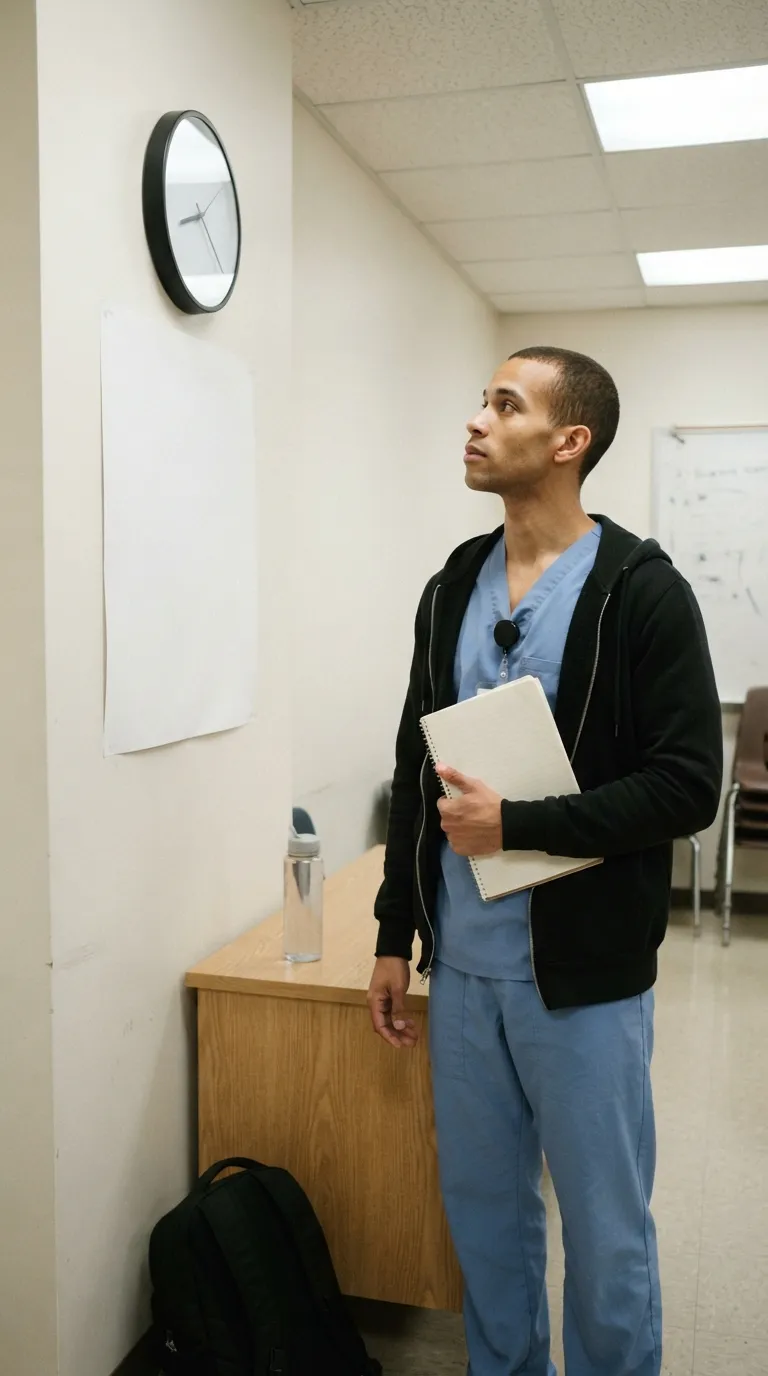
Draw a big clock face and mark two moments on it. The trough sits just before the next dose, when the drug level in the blood runs lowest. The peak sits after the dose, when the level runs highest. Two labels, one clock, and a timing idea students mix up finally stays put.
The lesson under the clock matters more than the drawing: a blood level means nothing without its timing. A result drawn at the peak and a result drawn at the trough can come from the same patient on the same dose and still tell opposite stories, so the poster pairs every level with the clock time it was taken.
Study tip: Add one real timing question under the clock each week, answered from the drawing before you check your notes.
The Look-Alike Names Poster

Some drug errors start with two names that sound like cousins. This poster lists the classic sound-alike pairs side by side: hydralazine and hydroxyzine, clonidine and clonazepam. Circle the letters that differ in each pair. The habit behind the poster is the same one behind the MedlinePlus medication errors guidance: slow down, read the whole name, and never trust a quick glance.
- Write each pair in tall man lettering, with the differing part in capitals.
- Read the full name out loud before you say the drug is right.
- Keep the two drugs of a pair in different zones of your class map.
- Add a new pair to the poster the week you first mix it up.
The One-Drug-a-Day Strip

Not every poster is big. This one is a narrow strip with a single slot that changes daily: one drug, its class, one check, one teaching point. Four lines, rewritten each morning, and by the end of a month the strip has walked you through thirty drugs without a single cram session.
Small reps win because they are honest. A drug you can still describe tomorrow, class, check and teaching point, is learned. A drug that blurs by Friday goes back into the strip the next week, and the strip quietly becomes a record of what actually stuck.
Study tip: Keep a small stack of finished strips. Before an exam, sort them into known and shaky piles and study only the shaky pile.
The Question Wall

The last poster holds no facts at all, only questions, one per sticky note. A wall of prompts trains the move exams reward: producing the answer before you see it. Stand in front of the wall, pick a note, answer out loud in full sentences, then check your notes and the other posters for the gaps.
- Which lab comes before this dose, and what result would stop it?
- What do I report first, and how fast does it need reporting?
- What reverses this drug, and when is the reversal itself risky?
- Which patient gets this drug first, and who waits, and why?
One Small Habit to Start
Start smaller than ten posters. Tonight, take one sheet of paper and build the class map for the single drug class your next exam covers: one color, the member drugs, the shared checks. Pin it where you will see it while you brush your teeth.
Then add one poster a week, always after checking its facts against a current reference. Ten weeks from now the wall will hold the whole course, and it will have taught you a little of it every single day.
For study use only. Always follow your program, your facility’s policy and current drug and lab references.